Understanding Fashion: Definition and Origins
Fashion is a dynamic field that transcends basic clothing; it encompasses the intricate interplay of culture, self-expression, art, and societal norms. The essence of Fashion lies in its ability to capture and reflect the zeitgeist of different eras, offering insights into social movements, identity, and even economic conditions. To truly appreciate the world of fashion, it is imperative to explore its definition, historical context, and cultural influences.
The Meaning Behind Fashion
The term “fashion” is rooted in the Latin word “facere,” meaning “to make.” It refers to the art of creating clothing and accessories that exhibit specific cultural aesthetics, patterns, and styles. Fashion acts as a visual language, communicating identity and beliefs while helping individuals express their personalities. Beyond mere utility, it elevates clothing to an art form, allowing designers and consumers alike to convey messages without uttering a word.
Historical Context of Fashion
The history of fashion dates back to ancient civilizations, where clothing served as a form of social structure, indicating status and roles within communities. From the flowing robes of ancient Rome to the elaborate gowns of the French Court, each era has its distinctive characteristics. The Industrial Revolution brought transformative changes, democratizing fashion through mass production and the birth of ready-to-wear clothing. Today, the fashion industry is a multi-billion dollar global enterprise that echoes historical trends while continuously evolving.
Cultural Influences in Fashion
Cultural influences play a pivotal role in shaping fashion trends. Regional styles and traditional garments contribute to a rich tapestry of global fashion. For instance, the kimono of Japan, the sari of India, and the huipil of Mexico reflect deep cultural heritages and values. Furthermore, interactive cultural exchanges due to globalization have led to exciting fusions and innovations in modern fashion, pushing boundaries and challenging conventional norms.
Key Elements of Fashion Design
Fashion design involves a myriad of elements that contribute to the final product’s aesthetic and functionality. Designers must consider several factors, including fabrics and textiles, color theory, and overall silhouettes, to create cohesive and appealing collections.
Fabrics and Textiles in Fashion
The choice of fabric is fundamental in fashion design as it influences the drape, fit, and comfort of a garment. Cotton, silk, wool, and synthetic fibers each bring their own qualities to the table. Organic and innovative materials are gaining popularity among conscientious consumers seeking to minimize environmental impact while still enjoying fashionable apparel. Understanding the properties of different textiles allows designers to select the best materials for their creations, enhancing both quality and appeal.
Color Theory and Its Importance
Color theory is central to fashion design, impacting perceptions and emotions associated with clothing. Colors can evoke feelings, provoke thoughts, and even influence moods. Designers utilize color combinations that resonate with their target audience while also reflecting seasonal trends. For example, pastel shades might dominate spring collections, resonating with themes of renewal and freshness, while deep, rich colors are often favored in autumn lines for their warmth and sophistication.
Fashion Silhouettes and Styles
Silhouettes serve as the foundational shapes of garments. Understanding various silhouettes—from A-line to fitted to oversized—is crucial for creating distinctive designs. Each silhouette not only caters to different body types but also sets the tone for the desired aesthetic of a collection. The evolution of silhouettes throughout history showcases the shifting societal attitudes and cultural contexts, emphasizing fashion’s role as a responsive art form.
Fashion Trends: Past and Present
Fashion is characterized by its transient nature, with trends that come and go, influenced by a mixture of cultural, social, and technological factors. Analyzing past trends provides valuable insights into the cyclical nature of fashion and showcases how contemporary movements draw inspiration from history.
Iconic Fashion Trends Over the Decades
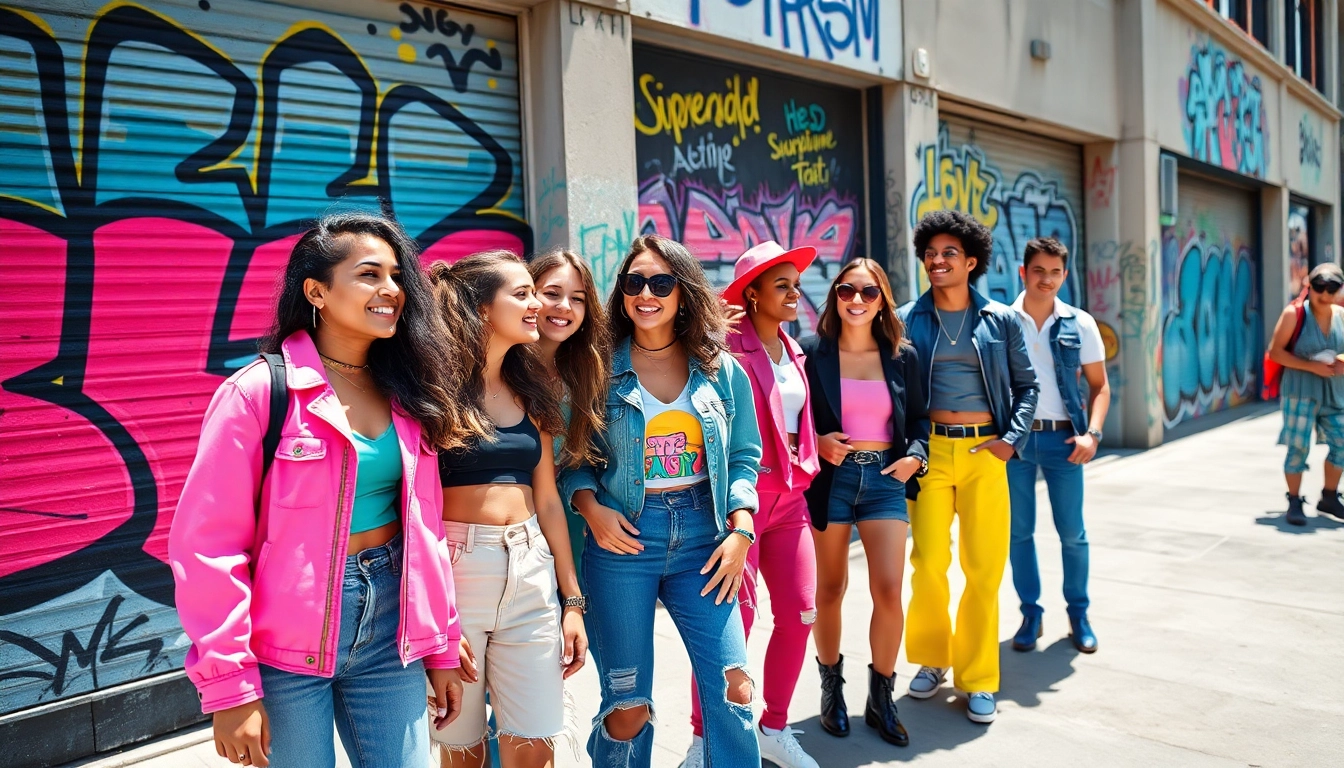
Each decade features iconic styles that define its essence. The 1920s flapper dresses represented liberation and the changing role of women. In contrast, the 1980s were dominated by bold colors and oversized silhouettes reflecting the era’s excesses and exuberance. Understanding these trends is essential for designers aiming to evoke specific historical references while creating modern apparel.
Contemporary Trends Shaping Today’s Fashion
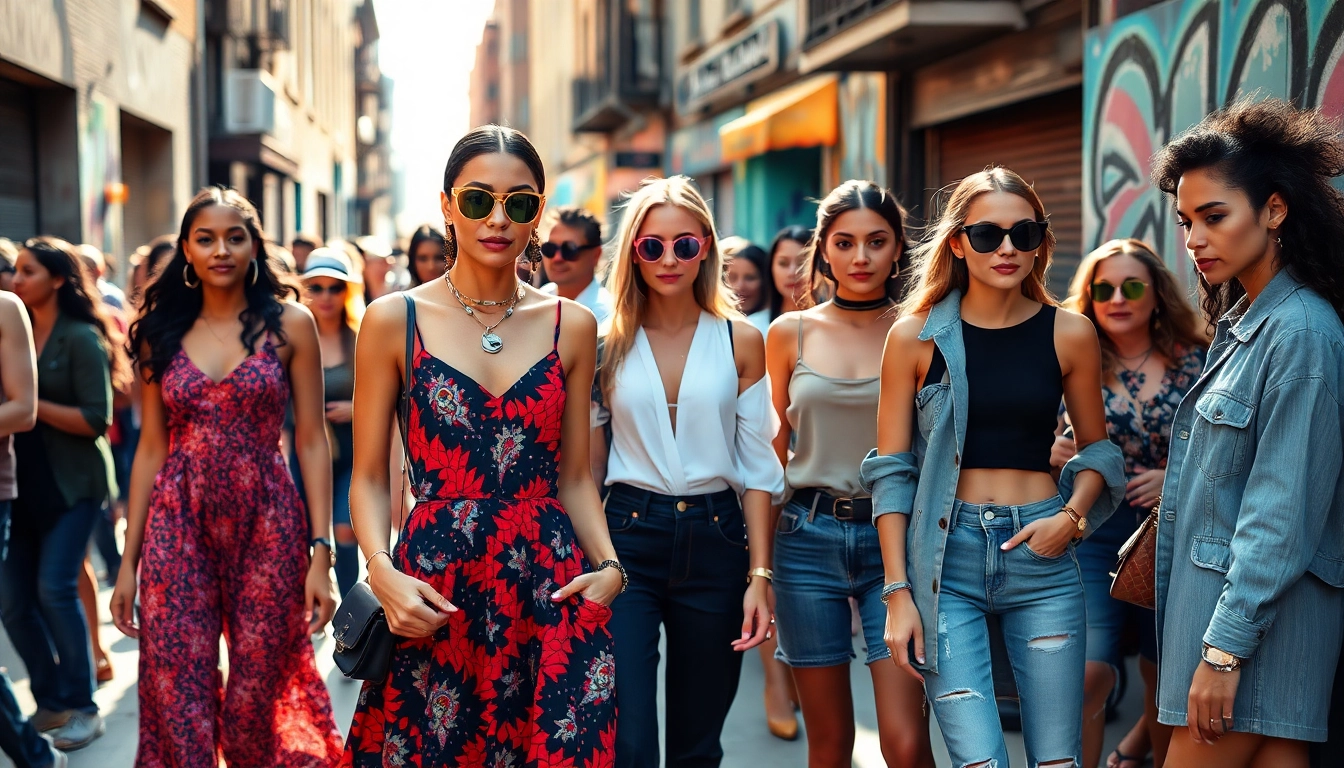
Today’s fashion landscape is a melting pot of influences, blending high fashion with street style. Athleisure, sustainability, and inclusivity are at the forefront of contemporary trends. Consumers increasingly favor comfort and practicality without sacrificing style, leading to the rise of hybrid garments that can transition effortlessly from casual to formal settings. This shift reflects broader societal changes, including the evolving nature of work-life balance and lifestyle preferences.
The Impact of Social Media on Fashion Trends
Social media platforms have dramatically transformed how fashion trends emerge and spread. Platforms like Instagram and TikTok drive instant recognition for new styles, often emerging from influencers and everyday users alike. This democratization of fashion allows for diverse voices and perspectives, challenging traditional beauty standards and promoting a culture of uniqueness and self-expression. Influencer marketing has become a central strategy, shaping consumer behavior and engagement within the fashion industry.
Sustainability in Fashion
The environmental impact of the fashion industry has prompted a dramatic shift towards sustainability. As consumers become increasingly aware of their choices, brands are being called to account for their practices, paving the way for innovative and eco-friendly solutions.
Understanding Eco-Friendly Fashion
Eco-friendly fashion, often referred to as sustainable fashion, emphasizes the reduction of environmental impact through ethical production practices and conscious consumption. This movement advocates for the use of sustainable materials, waste reduction, and fair labor practices. Key concepts include slow fashion—which prioritizes quality and longevity over fast fashion’s quick turnover—and the circular economy, which promotes recycling and reusing garments rather than discarding them.
Brands Leading the Sustainability Movement
Numerous brands have stepped up to lead the charge towards sustainability, implementing innovative practices such as using recycled materials, adopting transparent supply chains, and promoting ethical labor conditions. These brands often create educational initiatives aimed at raising consumer awareness about sustainability and encouraging responsible purchasing habits. Their commitment demonstrates that fashion can both honor the earth and deliver on consumer desires.
Tips for Sustainable Fashion Choices
Individuals looking to make sustainable fashion choices can adopt practical strategies to enhance their wardrobes while remaining eco-conscious. Consider investing in quality pieces that stand the test of time, buying secondhand, and supporting brands committed to sustainable practices. Additionally, being mindful of clothing care can prolong the lifespan of garments, diminishing the need for frequent replacements. Education and awareness are key in cultivating a sustainable lifestyle through fashion.
The Future of Fashion: Predictions and Innovations
As we look ahead, the future of fashion is filled with exciting possibilities. The rapidly changing landscape is influenced by advancements in technology, increased globalization, and evolving consumer preferences, all of which will shape the industry significantly.
Technology’s Role in Fashion Innovation
Technology is redefining how fashion is designed, produced, and consumed. 3D printing, AI, and virtual reality are paving the way for innovative design processes, while personalized shopping experiences facilitated by AI algorithms are enhancing customer engagement. Virtual fitting rooms and augmented reality applications allow consumers to explore fashion in a new, immersive manner, bridging the gap between virtual and real-world experiences.
The Influence of Globalization on Fashion
Globalization has created a more interconnected world, enabling styles to transcend geographic boundaries effortlessly. This has resulted in a rich amalgamation of trends and influences drawn from diverse cultures. The idea of cultural appropriation versus appreciation remains a critical topic of discussion within this context. Designers are increasingly being challenged to honor and credit the cultural roots of the styles they borrow from.
Predictions for Fashion Trends in the Coming Years
Looking ahead, we can anticipate several trends poised to shape the fashion industry in the coming years. Sustainability will likely remain a primary focus, with further innovations in eco-conscious materials and ethical production. Technologies such as blockchain and artificial intelligence will enhance supply chain transparency while fostering personalization in design and shopping experiences. Furthermore, the demand for inclusivity will continue to grow, pushing brands to embrace diverse body types, styles, and cultural representations.
Frequently Asked Questions About Fashion
What does fashion mean?
Fashion refers to the styles of clothing, accessories, and trends created and consumed in society, reflecting cultural and social influences.
How do fashion trends emerge?
Fashion trends emerge through various factors including cultural events, celebrity influences, social movements, and advancements in technology.
What is sustainable fashion?
Sustainable fashion focuses on producing clothing ethically and responsibly, prioritizing environmental protection and fair treatment of workers.
How can I make sustainable fashion choices?
Consider buying secondhand, choosing high-quality items, supporting eco-conscious brands, and caring for your clothes to extend their lifespan.
What impact does social media have on fashion?
Social media shapes fashion by quickly spreading trends, influencing consumer preferences, and empowering diverse voices in style and fashion discussions.