Understanding Fashion Trends
The Definition of Fashion
Fashion is a multifaceted term that encompasses the creation and presentation of clothing, accessories, and lifestyle products. Rooted in culture, fashion communicates value, identity, and beauty through aesthetic choices. The term itself traces back to the Latin word “facere,” which means “to make.” This connection highlights fashion’s dual role as both an artistic endeavor and a method for individuals to express themselves.Fashion not only reflects societal norms but also plays a pivotal role in shaping them, influencing everything from day-to-day choices to societal shifts.
History of Fashion Movements
The trajectory of fashion is marked by distinct movements that have emerged in response to cultural, economic, and technological changes. The 20th century, in particular, was vibrant with fashion revolutions, each contributing unique styles and philosophies. The 1920s, known for its flapper fashion, signified liberation for women, while the 1960s introduced bold patterns and colors, mirroring the social upheavals of the time. The rise of streetwear in the late 20th century redefined casual fashion, making it a prominent part of modern wardrobes.
Each of these movements has contributed to our contemporary understanding of fashion, showcasing how styles evolve over time while often reflecting societal values and behaviors.
Current Fashion Trends and Influences
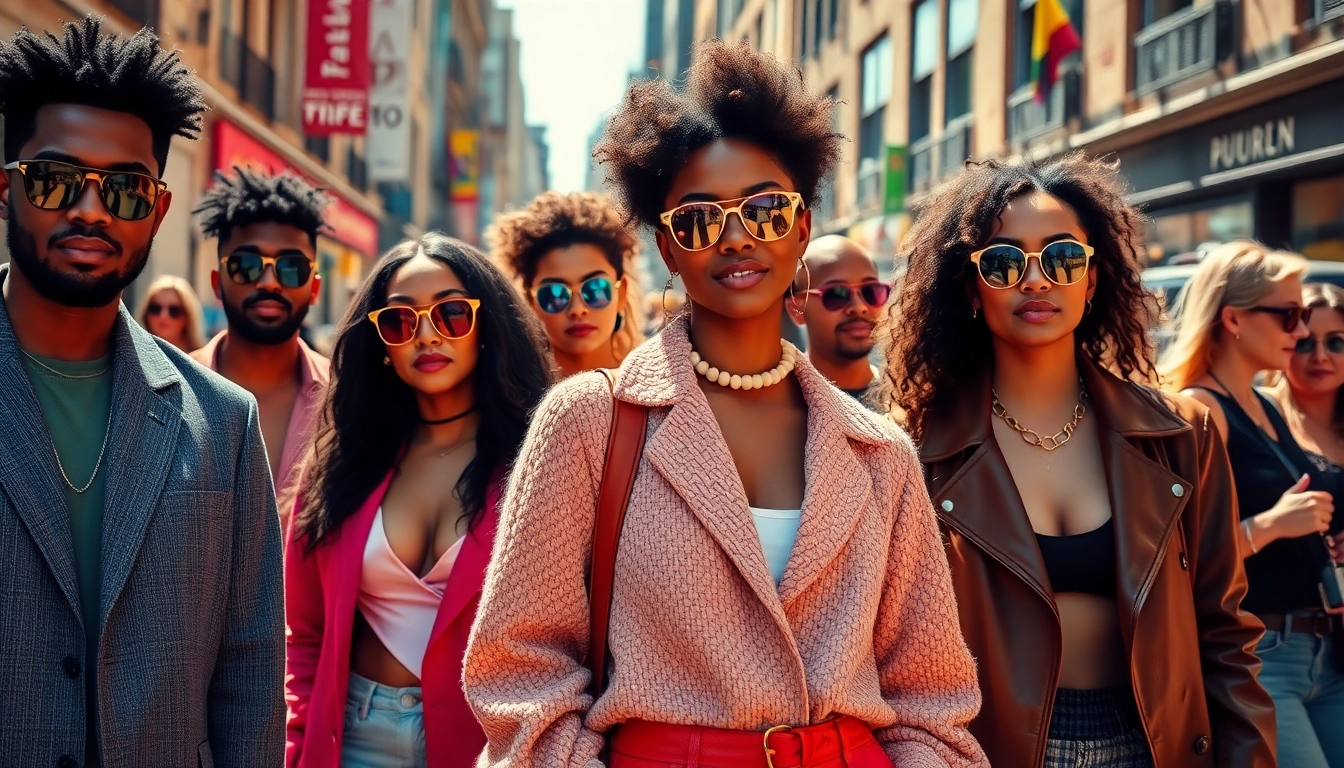
Today’s fashion landscape is incredibly diverse, fueled by global influences and digital technology. The rise of social media platforms has democratized fashion, allowing trends to propagate rapidly. Influencers and celebrities shape consumer behaviors, promoting styles that quickly transition from runways to everyday wardrobes.
Current trends include sustainability in fashion—consumers are increasingly looking for eco-friendly materials and ethical production practices. Additionally, the blending of styles, such as athleisure and vintage aesthetics, highlights a desire for versatility and individuality. Fashion today is less about adhering to strict rules and more about personal expression.
Fashion Styles and Personal Expression
Identifying Your Fashion Style
Fashion is an intimate expression of self, and identifying your style is an empowering journey. Start by considering what inspires you. Look at your favorite colors, silhouettes, and fabric choices. Online quizzes or creating mood boards can be helpful tools to pinpoint your aesthetic. Don’t forget to consider your lifestyle, as comfort and practicality should align with your fashion choices.
Why Fashion Matters in Self-Identity
Fashion serves as a powerful tool for self-identity, illustrating who we are or who we aspire to be. It allows individuals to convey their personality, beliefs, and cultural background. For many, fashion decisions are not just about clothing but also about making statements regarding social issues or cultural pride. The right outfit can impact confidence and self-esteem, highlighting the psychological connection we have with our attire.
Examples of Distinct Fashion Styles
Fashion is rich with distinct styles that embody various cultural backgrounds and philosophies. Some common styles include:
- Bohemian: Emphasizes artistic expression through flowy fabrics, eclectic patterns, and accessories.
- Minimalism: Focuses on simplicity and functionality, often utilizing neutral colors and clean lines.
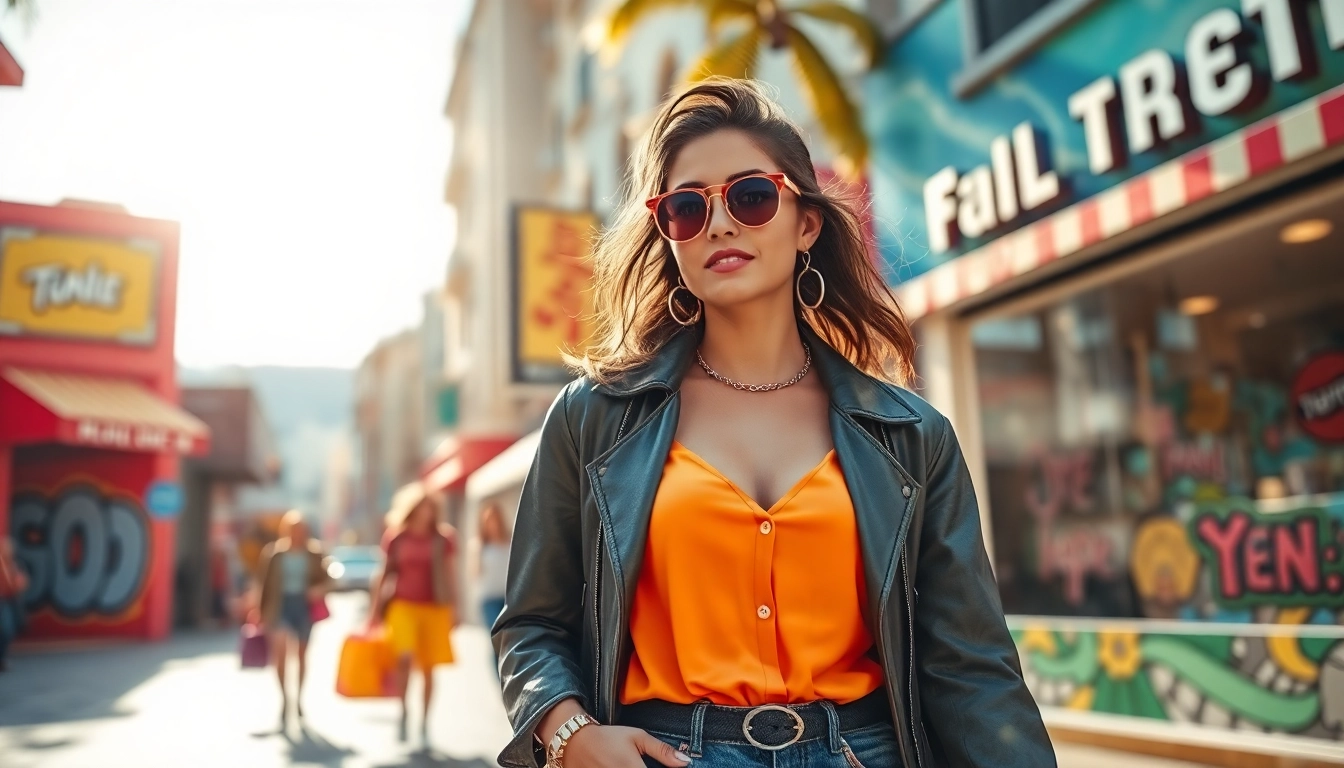
- Streetwear: Merges casual, urban styles with high fashion elements, often influenced by youth culture.
- Classic: Incorporates timeless pieces that uphold elegance and sophistication.
By exploring these styles, individuals can find inspiration and weave together looks that resonate with their identity.
Exploring Sustainable Fashion
The Importance of Sustainability in Fashion
In light of environmental concerns, sustainability has become a crucial theme in contemporary fashion. The industry’s impact on the planet is significant, from water usage to pollution. Fashion brands are being called to action to mitigate their ecological footprint through sustainable practices. This includes sourcing organic materials, promoting fair labor practices, and implementing recycling programs.
Brands Leading the Sustainable Fashion Movement
Several trailblazing brands have embraced sustainable fashion and serve as examples for others. They focus on ethical production, use of sustainable materials, and transparency in their supply chains, appealing to conscious consumers who prioritize eco-friendly choices. These brands not only champion sustainability but also demonstrate that ethical fashion can be stylish and desirable.
How to Choose Eco-Friendly Fashion Choices
Choosing sustainable fashion can feel overwhelming, but being strategic aids in making informed decisions. Start by researching materials—opt for organic cotton, bamboo, or recycled fabrics. Investing in high-quality pieces ensures longevity, reducing waste. Supporting local artisans and brands with transparent practices also fosters a more sustainable approach to your wardrobe.
Accessorizing Your Outfits
Essential Accessories to Enhance Fashion
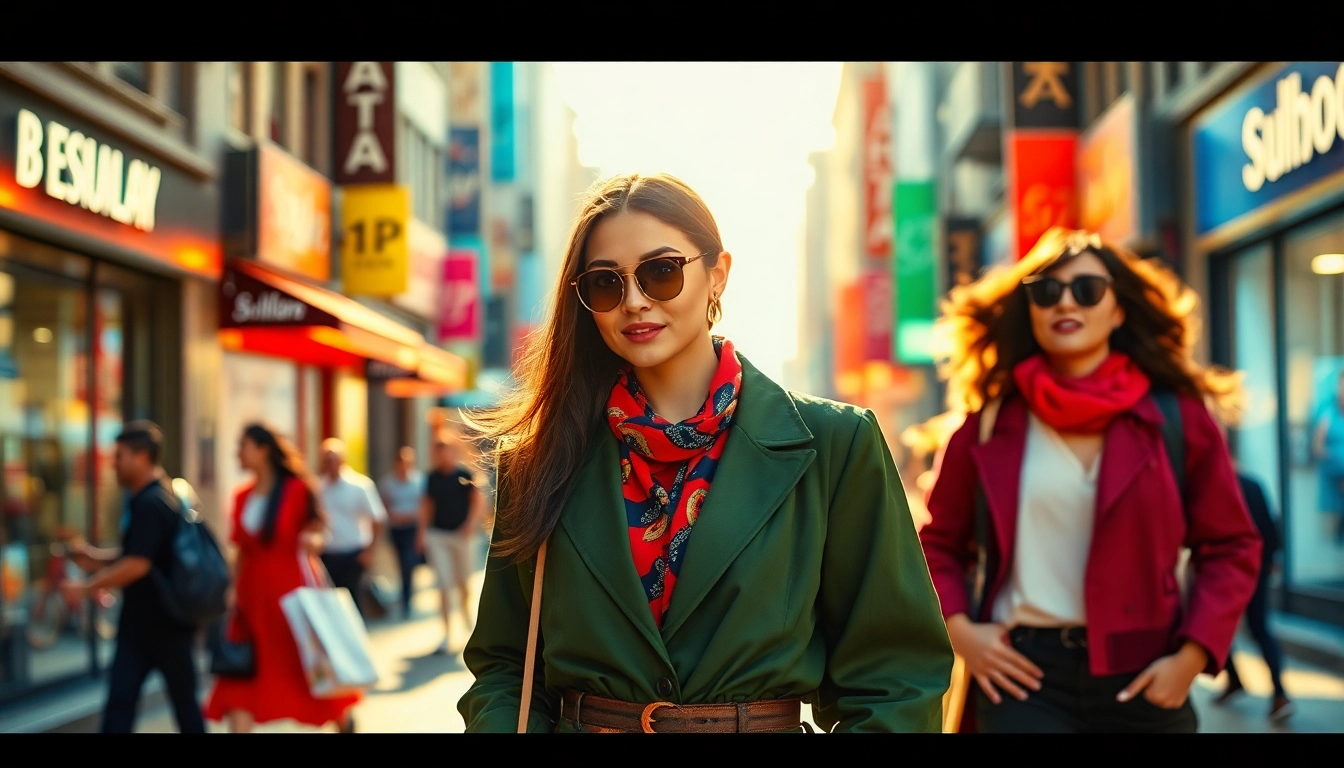
Accessories can transform an outfit, adding personality and flair. Some essentials include statement jewelry, scarves, and versatile bags. Selecting pieces that complement multiple outfits maximizes versatility. Accessories are also a fantastic way to take a basic outfit from casual to chic with just a few additions.
Mixing and Matching Accessories
The art of mixing and matching accessories lies in balancing colors, textures, and styles. Start with one standout piece, like a bold necklace or colorful bag, and allow it to guide the rest of your selections. A cohesive color scheme simplifies the process, enabling you to create visually stunning combinations that reflect your personal style.
Seasonal Accessories Trends
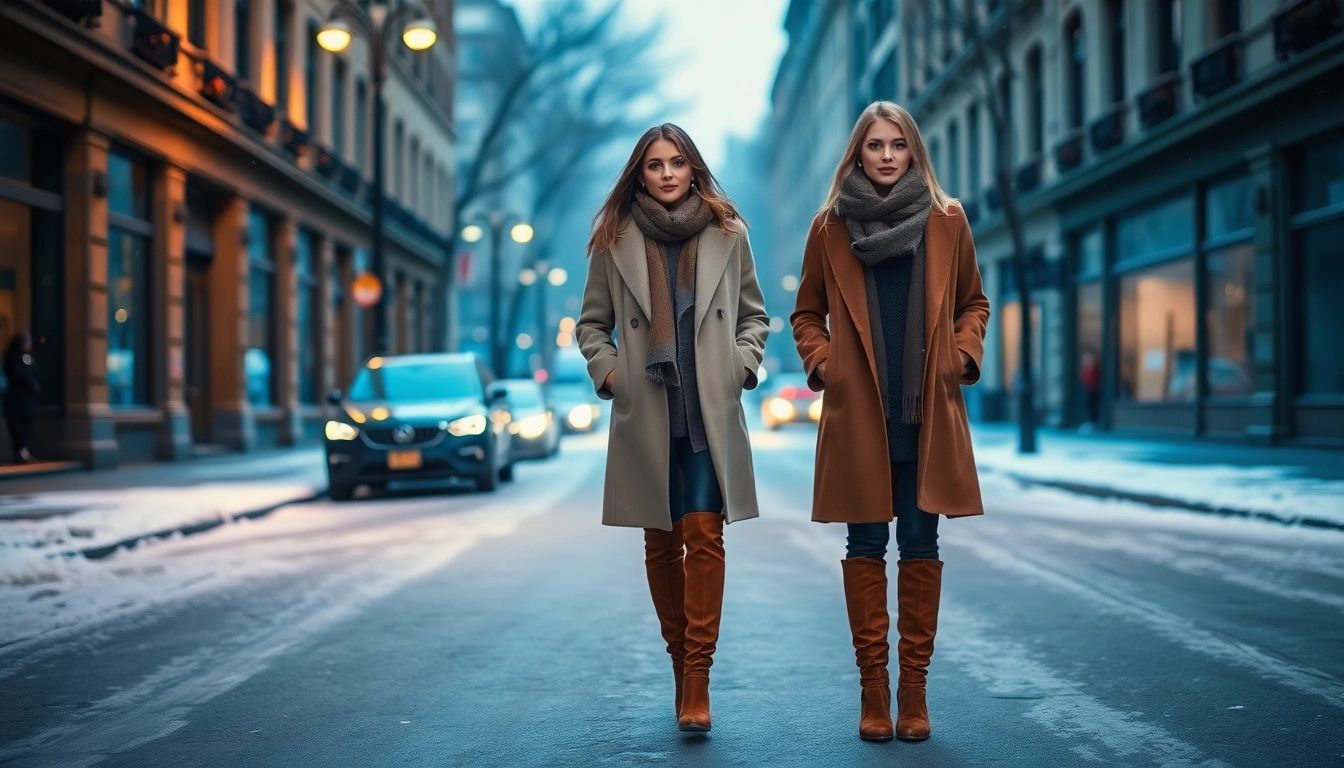
Fashion is constantly evolving, and accessory trends often change with the seasons. In spring, floral patterns and pastel colors emerge, while winter brings cozy scarves and bold boots. Staying attuned to these seasonal shifts not only keeps your wardrobe fresh but also allows for creativity in how you layer your accessories.
Building a Versatile Wardrobe
Core Pieces Every Fashionista Should Have
A versatile wardrobe revolves around key pieces that can be styled in numerous ways. Must-haves include a classic white shirt, tailored blazer, well-fitting jeans, and a little black dress. These foundational elements bridge the gap between casual and formal, allowing for effortless transition across various occasions.
How to Create Outfits for Various Occasions
Creating outfits for different occasions necessitates understanding the dress code while incorporating personal style. For professional settings, opt for tailored pieces paired with understated accessories. Casual outings call for relaxed styles, where comfort is key. Special events provide an opportunity to showcase creativity—daring colors and statement accessories can shine here.
Tips for Maintaining Your Fashion Wardrobe
Wardrobe maintenance is essential to preserve the lifespan of your clothing. Regularly cleaning and properly storing garments prevents wear and tear. Invest in quality hangers, and refrain from overcrowding closets to maintain fabric integrity. Additionally, regular assessments of your wardrobe can help in identifying pieces that require repairs or alterations, keeping your fashion choices fresh and in good condition.
FAQs about Fashion
What defines fashion?
Fashion is defined as the creation and external expression of style through clothing, accessories, and lifestyle choices, signifying individual and cultural identities.
What is the significance of fashion in society?
Fashion plays a vital role in society by reflecting and shaping cultural identities, influencing trends, and serving as a medium for individual expression and creativity.
How can I find my personal fashion style?
Finding your personal fashion style involves exploring your preferences, inspirations, and experimenting with combinations. Tools like mood boards can facilitate this discovery process.
What is sustainable fashion?
Sustainable fashion refers to designing and producing clothing that minimizes environmental impact and promotes ethical practices, prioritizing eco-friendliness and transparency.
How do I build a versatile wardrobe?
Building a versatile wardrobe starts with core pieces that can mix and match across various occasions. Prioritize quality, classic items that complement your personal style.