
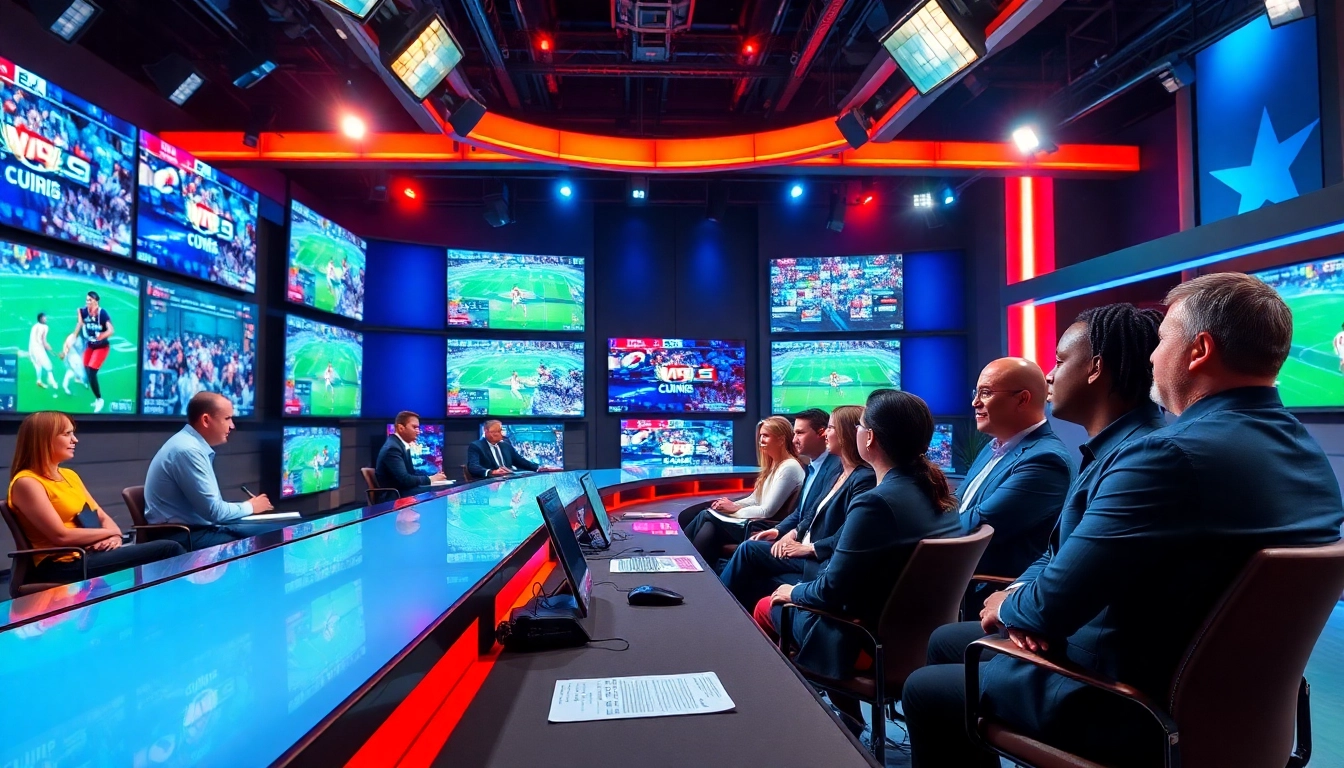
Understanding Sports Broadcasting
Definition of Sports Broadcasting
Sports broadcasting refers to the live coverage of sporting events and related content, delivered through various media channels. It encompasses television, radio, and digital platforms, delivering real-time experiences to audiences globally. Through well-trained professionals and advanced technology, Sports broadcasting captures the excitement of sports, making it accessible to millions of fans.
History and Evolution of Sports Broadcasting
The history of sports broadcasting dates back to the early 20th century when radio broadcasts began to deliver live updates of games. The advent of television in the 1950s revolutionized the industry, bringing visual coverage and allowing viewers to experience sports like never before. Major events, such as the Super Bowl and the Olympics, became staple broadcasts, driving viewership and advertising revenue to new heights.
In the 1990s, the introduction of satellite broadcasting and cable networks vastly expanded the reach of sports content. Today, the rise of digital streaming platforms and social media has transformed sports broadcasting into a dynamic, interactive experience. Fans can engage in real-time discussions, access highlights on-demand, and even watch events on mobile devices, leading to an unprecedented evolution in how sports are consumed.
Importance in the Entertainment Industry
Sports broadcasting plays a crucial role within the entertainment sector, driving significant revenue through advertising, sponsorships, and subscriptions. Live sports events often attract large audiences, making them prime opportunities for advertisers. Furthermore, sports leagues and teams have created lucrative partnerships with broadcasters to enhance their exposure and generate additional revenue streams.
Moreover, the impact of sports broadcasting extends to cultural significance, uniting fans across geographical and social barriers. High-profile events create a sense of community and shared experience, further solidifying the role of sports in everyday life.
Types of Sports Broadcasting
Television Broadcasting: Overview
Television broadcasting remains one of the most traditional and widely utilized forms of sports broadcasting. Major networks invest significantly in acquiring broadcasting rights for popular leagues and events. The quality of the broadcast is crucial, using multiple camera angles, instant replays, and professional commentary to enhance viewer experience.
Networks often host pre- and post-game shows, providing analysis and discussions to help fans understand the intricacies of the game. This rich content adds another dimension to the viewing experience, creating a complete package for sports fans.
Radio Broadcasting: A Unique Experience
While television has dominated the sports broadcasting landscape, radio still offers a unique experience, especially for those who enjoy a more auditory format. Radio broadcasts often feature play-by-play commentary, allowing listeners to visualize the action in real-time. The personal touch of radio commentators can create an enhanced sense of connection and engagement, as they often share stories and insights during the broadcast.
Moreover, radio provides a flexibility that conventional television lacks; fans can listen to events while commuting or engaging in other activities, making it a versatile platform for sports fans.
Digital Streaming Platforms: The New Frontier
The rise of digital streaming platforms has marked a significant shift in the sports broadcasting landscape. Services such as subscription-based streaming, on-demand viewing, and social media platforms offer fans unprecedented access to a broad array of sports content. These platforms enable fans to watch live events or catch highlights at their convenience, catering to an increasingly digital-savvy audience.
Digital streaming also allows for innovative features like interactive elements, such as live statistics and multi-camera viewing options. Brands take advantage of this by creating targeted content and advertisements that resonate with viewer preferences, enhancing audience engagement.
The Roles and Responsibilities in Sports Broadcasting
On-Air Talent: Skills and Training
On-air talent consists of the broadcasters, commentators, and analysts who captivate audiences with their expertise and presentation skills. Their primary responsibilities include delivering accurate commentary, providing analysis, and engaging viewers throughout a broadcast.
Successful on-air talent typically undergoes rigorous training, gaining a firm grasp of sports knowledge, communications skills, and industry standards. Many begin their careers in smaller markets, cultivating their on-air persona before transitioning to major networks. Strong improvisation skills, coupled with the ability to analyze games dynamically during live broadcasts, are essential traits for success in the industry.
Production Crew: Behind the Scenes
The production crew is the backbone of sports broadcasts, ensuring smooth operation of all technical aspects. Ranging from camera operators and technical directors to sound engineers and video editors, each member plays a vital role in delivering a polished final product.
Collaboration is crucial, as the crew must work synchronously to bring the vision of the broadcast to life. Higher stakes require fast reactions to unexpected events during live coverage, highlighting the need for excellence and coordination behind the scenes.
Commentators and Analysts: Enhancing Viewer Experience
Commentators and analysts play a pivotal role in enriching the viewer’s experience during sports events. Their insights, analytics, and storytelling help make the broadcast more engaging, turning a simple game into a narrative full of tension and excitement.
Commentators focus on providing play-by-play coverage, while analysts break down strategies and player performances. Their expertise often draws from years of experience in the sports world, whether as former athletes or sports journalists. Engaging storytelling can greatly enhance audience enjoyment, making the role of these professionals indispensable.
Challenges in Sports Broadcasting
Adapting to Technological Changes
As technology continues to evolve, sports broadcasting faces significant challenges in keeping pace. New video formats, advanced camera systems, and unexpected shifts in audience consumption patterns demand that broadcasters constantly adapt. The integration of virtual reality, augmented reality, and real-time data analytics means that broadcasters must invest in cutting-edge technologies to stay relevant.
The need for continuous learning and adaptation is pressing. Training programs, workshops, and seminars become necessary to equip professionals with the skills needed to leverage new technologies effectively while enhancing the viewer experience.
Navigating Rights and Regulations
Sports broadcasting is subject to various rights and regulations, which can be convoluted and complex. Rights holders, leagues, and broadcasters must navigate a web of contractual agreements to determine who can broadcast specific events. Failure to comply with regulations or licensing agreements can result in significant legal implications and financial penalties.
Keeping abreast of these regulations is crucial for broadcasters, as changes can impact how content is produced, distributed, and monetized. Developing close relationships with legal experts in sports broadcasting can provide the necessary guidance.
Competition with Non-Traditional Media
With the surge of social media platforms, video-sharing sites, and independent content creators, sports broadcasting now faces competition from non-traditional media outlets. Fans can now access game highlights, commentary, and analysis from a myriad of sources outside conventional broadcasting channels.
This shift demands that traditional broadcasters innovate and engage audiences in new ways. Diversifying content, leveraging social media, and creating user-generated content opportunities can help broadcasters compete in this evolving landscape.
Future Trends in Sports Broadcasting
The Role of AI and Technology
As technology becomes increasingly sophisticated, artificial intelligence (AI) is poised to play a significant role in sports broadcasting. From automating segment production to enhancing audience engagement through personalized content, AI can create more efficient workflows and improve content delivery.
Additionally, AI-powered analytics tools can provide deeper insights into player performances and game outcomes, fostering engaging storytelling. Embracing these technologies will be crucial for broadcasters aiming to maintain a competitive edge in the future.
Interactive and Immersive Viewing Experiences
Future sports broadcasts are likely to embrace interactive and immersive viewing experiences, allowing fans to engage with the content actively. 360-degree camera views, virtual reality experiences, and interactive graphics can enhance how audiences consume sports.
These innovations help foster a deeper emotional connection with sporting events, enabling viewers to customize their viewing experiences. Broadcasters that leverage these technologies will likely attract and retain dedicated audiences.
Globalization and Its Impact on Audience Reach
Globalization continues to reshape the sports broadcasting landscape, expanding the reach of sporting events across borders. Major leagues and events are increasingly broadcast on an international scale, bringing diverse audiences together.
This shift necessitates a deep understanding of cultural nuances and varying viewer preferences, as broadcasters cater to a global audience. Tailoring content to resonate with specific cultural contexts can be the key to maximizing viewership and engagement.
FAQs
What is the role of technology in sports broadcasting?
Technology enhances live coverage, improves engagement, and enriches viewer experiences through virtual reality and analytics, making sports more accessible.
How can one begin a career in sports broadcasting?
A career typically starts with education in media studies, followed by internships and gaining experience with local broadcasters or networks to build skills.
What are the main challenges faced by sports broadcasters?
Challenges include adapting to rapid technological advancements, meeting audience expectations, and navigating broadcasting rights regulations for legal compliance.
Are sports broadcasting jobs in demand?
Yes, as the sports industry grows globally, the demand for skilled professionals in sports broadcasting continues to rise due to increased consumption of sports content.
How has digital media changed sports broadcasting?
Digital media has revolutionized broadcasting by providing on-demand access, live-streaming options, and interactive platforms enabling enhanced fan engagement.