
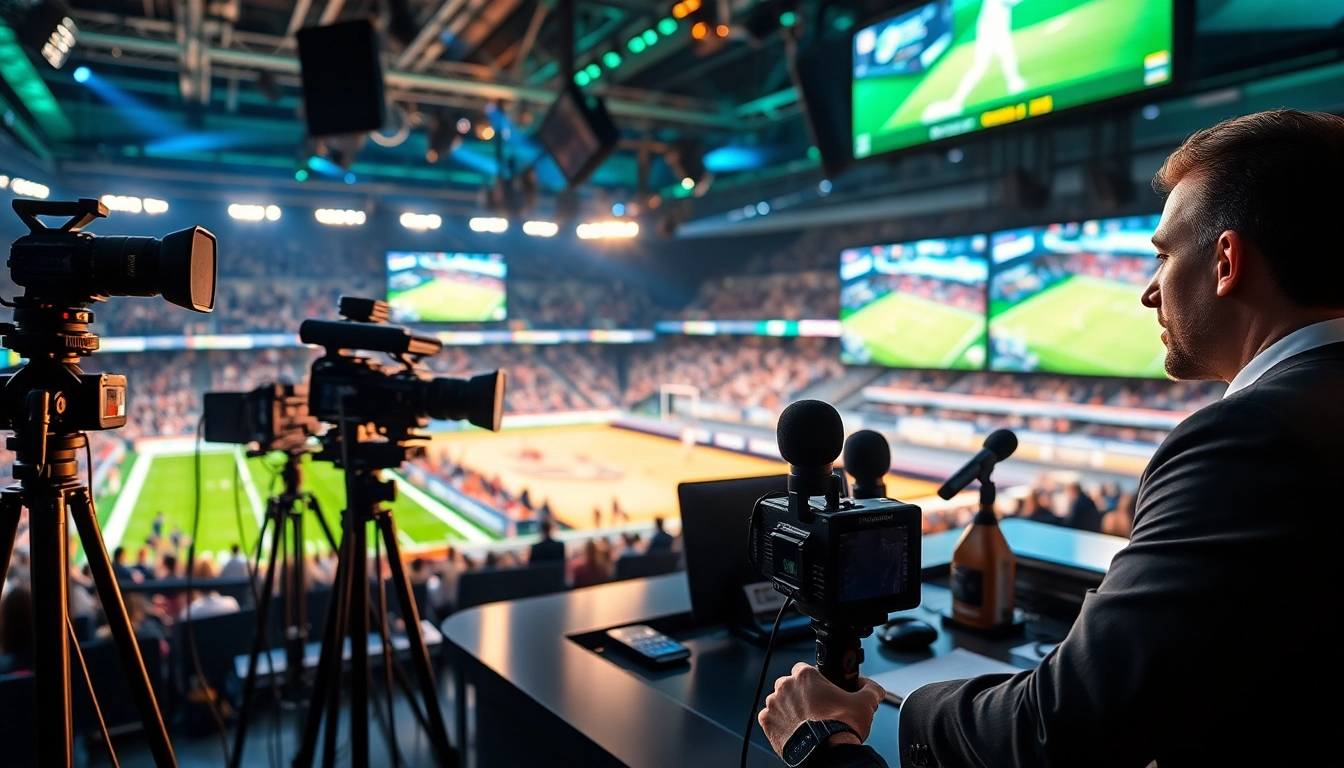
Understanding Sports Broadcasting
Sports broadcasting is a powerful medium that shapes how millions of fans experience their favorite sporting events. It serves as a bridge between the game and the audience, bringing live action, analysis, and the thrill of competition right into homes. To gain deeper insights into this dynamic field, it is essential to understand what sports broadcasting encompasses, its historical evolution, and the transformative effects of technology in this sector. For a comprehensive overview of Sports broadcasting, let’s explore these aspects in detail.
What is Sports Broadcasting?
Sports broadcasting refers to the live coverage of competitive sports events through various media, including television, radio, and online platforms. The essence of sports broadcasting lies in its ability to deliver real-time updates, commentary, and analysis to audiences, creating an immersive spectator experience. Broadcasters cover everything from major leagues to local high school events, each with distinct production requirements and audience engagement techniques.
History and Evolution of Sports Broadcasting
The history of sports broadcasting is rich and multifaceted, tracing back to the early 20th century. The first major instance of sports being broadcasted occurred in 1921 when a baseball game was aired on the radio. Following this, the introduction of television in the 1940s revolutionized how audiences consumed sports content. Major milestones included:
- 1939: The first televised baseball game.
- 1950s: The rise of televised sports programs, including NFL games.
- 1990s: Cable networks and satellite TV expanded access to sports.
- 2010s: Streaming services began to dominate sports broadcasting.
Through these stages, broadcasting has evolved from one-way communication to a highly interactive form of media, where fans can engage with podcasts, online commentary, and live chats during games.
The Impact of Technology on Sports Broadcasting
Technology has vastly reshaped sports broadcasting, enhancing production quality and audience engagement. Innovations such as high-definition video, drone cameras, and augmented reality graphics create a more engaging viewing experience. Social media platforms have further influenced how sports are broadcasted, enabling instant highlights to be shared with millions during live events, thereby enhancing fan engagement and interaction.
Essential Skills for Sports Broadcasting
Becoming an accomplished sports broadcaster requires a unique set of skills that encompass journalism, communication, and a deep understanding of sports. Here’s a look at the essential skills that aspiring sports broadcasters should develop.
Key Skills for Aspiring Sports Broadcasters
Successful sports broadcasters possess a blend of specific skills, including:
- Communication Skills: The ability to articulate thoughts clearly, concisely, and engagingly is crucial in live broadcasts.
- Analytical Skills: Understanding game strategies and being able to provide insightful analysis during commentary enhances the audience’s experience.
- Technical Proficiency: Familiarity with equipment, editing software, and broadcasting technology is vital in executing quality broadcasts.
- Networking: Leveraging relationships in the industry can open doors to job opportunities.
The Importance of Communication in Sports Broadcasting
Communication lies at the heart of sports broadcasting. Broadcasters must convey excitement, relay information accurately, and engage with the audience. This involves a combination of verbal skills and emotional intelligence to resonate with viewers. Presenters often undergo rigorous training to develop their on-air personas, ensuring they connect with audiences across various platforms.
How to Develop Your On-Air Presence
Creating a compelling on-air presence demands practice and confidence. Here are several strategies to enhance this essential skill:
- Practice Regularly: Engage in mock broadcasts and analyze your performance to identify areas for improvement.
- Seek Feedback: Constructive criticism from mentors and peers can help you refine your delivery and presentation style.
- Study Others: Observe experienced broadcasters and learn from their techniques in storytelling and audience engagement.
Careers in Sports Broadcasting
The field of sports broadcasting offers numerous career paths, each with distinct roles and responsibilities. Understanding these options can help aspiring broadcasters find their niche.
Common Career Paths in Sports Broadcasting
Several potential career paths exist in sports broadcasting, such as:
- Sports Commentators: Providing live commentary during games, requiring a deep understanding of the sport.
- Sports Producers: Overseeing the production of sports shows, including preparing scripts and coordinating broadcasts.
- Sports Journalists: Reporting on sports news, interviews, and developments both on-air and online.
- Social Media Managers: Engaging fans through social media platforms by creating content and updating scores and highlights.
How to Find Sports Broadcasting Opportunities
Finding job opportunities in sports broadcasting can be challenging due to the competitive nature of the industry. Strategies include:
- Internships: Gaining practical experience through internships at local stations or with sports teams can provide invaluable experience.
- Networking: Attending industry events, joining broadcasting organizations, and connecting with professionals can lead to job openings.
- Online Job Boards: Regularly searching broadcasting-specific job boards and company websites can help identify openings.
Building a Resume for Sports Broadcasting Jobs
Creating a compelling resume is critical in making heads turn. Essential elements of a sports broadcasting resume include:
- Relevant Experience: Highlight internships, volunteer work, or any related experience in broadcasting or journalism.
- Skills Section: Clearly showcase your skills, particularly those related to communication and technology.
- Tailored Content: Customize your resume for each application to emphasize experiences that align with potential job responsibilities.
Challenges in Sports Broadcasting
Despite its appeal, a career in sports broadcasting comes with challenges that professionals must navigate skillfully.
Navigating the Competitive Landscape
The sports broadcasting field is highly competitive, with many aspiring broadcasters vying for limited positions. Growth in this field often requires persistence, continual skill enhancement, and proactive networking strategies to stand out.
Dealing with Criticism and Feedback
Receiving feedback, both positive and negative, is an inherent part of being a broadcaster. Developing resilience and the ability to extract constructive insights from critiques plays a crucial role in professional development.
Adapting to Rapid Changes in Media
The landscape of sports broadcasting is changing rapidly due to advances in technology and shifts in consumer behavior. Professionals must stay updated on the latest trends, such as streaming services and social media engagement, to remain relevant in their roles.
The Future of Sports Broadcasting
The future of sports broadcasting is promising, brimming with innovative trends and evolving viewer preferences. As technology continues to advance, so too will the opportunities within this industry.
Emerging Trends in Sports Broadcasting
Several key trends are shaping the future of sports broadcasting:
- Virtual and Augmented Reality: Enhancing viewer experiences by providing immersive broadcasts and behind-the-scenes access.
- Data Analytics: Leveraging data to deliver personalized viewer experiences and deep analysis during broadcasts.
- Interactive Broadcasting: Integrating viewer interaction into broadcasts through apps and social media channels to foster community engagement.
How to Stay Ahead in the Evolving Industry
To thrive in this ever-changing world, sports broadcasters should prioritize continual learning and adaptability. Following industry news, attending workshops, and networking with peers are essential steps in staying informed and innovative.
Predictions for Sports Broadcasting Developments
Looking ahead, the integration of artificial intelligence in broadcasting is likely to create even more personalized viewing experiences. Additionally, the convergence of different media platforms will continue to reshape how sports content is produced and consumed, presenting new opportunities for broadcasters.
Frequently Asked Questions (FAQs)
What skills do I need for a career in sports broadcasting?
You need excellent communication, analytical skills, technical proficiency with broadcasting equipment, and networking abilities to succeed in this field.
Is a degree necessary for sports broadcasting?
While a degree in journalism, communications, or media studies is beneficial, internships and practical experience can significantly bolster your qualifications.
What are the common challenges faced in sports broadcasting?
Common challenges include dealing with tough competition, handling criticism, and adapting to rapid technological changes in media.
How can I improve my on-air presence?
Practice regularly, seek feedback, and study successful broadcasters to develop your style and enhance your confidence on air.
What does the future hold for sports broadcasting?
The future looks bright with trends like virtual reality and interactive broadcasting set to enhance viewer experiences and engagement.