Understanding Cape Cod Home Architecture
Historic charm meets modern functionality in the quintessential Cape Cod home. Originally designed in the 1600s to withstand the harsh New England climate, these homes have evolved yet retained their characteristic aesthetics. Their distinctive style and warm, inviting interiors make them a popular choice for homeowners today. When considering an expansion or an addition, understanding the architectural nuances of a cape cod home is essential.
Characteristics of Cape Cod Homes
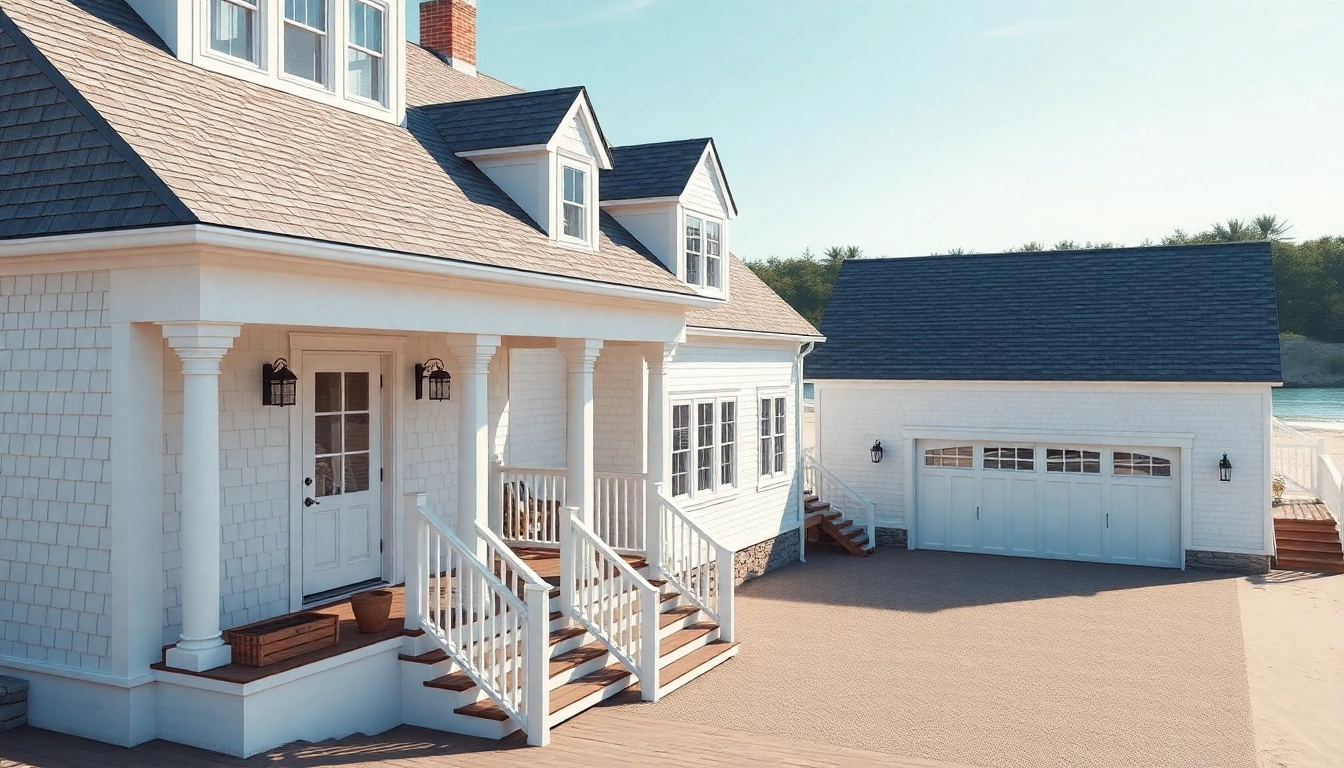
The hallmark of Cape Cod homes is their steep roofs with dormer windows, providing ample headroom and light in the upper floors. Typically, they feature symmetrical façades, shingle siding, and decorative shutters—elements that create a timeless and cohesive look. Another defining characteristic is the use of natural materials that harmonize with the landscape, fostering a strong sense of place.
Common Styles and Variations
While traditional Cape Cod homes are generally one or one-and-a-half stories, variations have emerged over time. The modified Cape introduces more expansive layouts with larger additions while maintaining the sloped rooves. The modern Cape may incorporate sustainable materials, open floor plans, and energy-efficient features, making them suitable for contemporary living.
Why Choose a Cape Cod Home?
Choosing a Cape Cod home is often about embracing community and comfort. These homes embody a classic style that resonates with many homeowners. The compact design allows for easier maintenance, while the open interiors promote a sense of togetherness. They are particularly well-suited for families looking to balance comfort and functionality in a welcoming environment.
Planning Your Cape Cod Home Expansion
Extending your Cape Cod home can be a major undertaking, but careful planning can ensure a successful augmentation of your living space. It’s essential to assess your property’s potential, navigate local regulations, and establish a budget prior to initiating any expansion projects.
Assessing Your Property’s Potential
Before embarking on an expansion, evaluate the existing layout and orientation of your cape cod home. Identify areas for potential growth—whether it be upward with additional stories or outward with extensions. Consider the size of your lot and the surrounding environment as these factors will dictate the feasibility of your project.
Regulatory Considerations for Expansions
Home expansions often necessitate various permits and adherence to local zoning laws. Engaging with your local building department early can clarify what is required for your expansion project. Some areas have restrictions on the size of additions, particularly along waterfronts or designated historical districts, which may affect your plans.
Budgeting Your Home Project
Crafting a realistic budget is critical when planning your home expansion. Account for construction costs, materials, labor, and possible unforeseen expenses, which are common in renovation projects. Setting aside a contingency fund can help mitigate financial strain as the project progresses.
Designing an Attached Garage for Your Cape Cod Home
Adding an attached garage to your Cape Cod home not only serves practical purposes but can enhance your property’s overall appeal. However, careful design considerations are essential to maintain harmony with the existing structure.
Integration with Existing Structures
When designing your garage, it’s vital to ensure it complements the existing architecture of your Cape Cod home. Consider aligning rooflines and maintaining similar materials to blend seamlessly with the original structure. Thoughtful positioning can also enhance curb appeal while providing functional access to your home.
Choosing the Right Style and Materials
Opt for materials consistent with the look of your cape cod home. Wood shingles, rustic stonework, and clapboard can maintain the characteristic charm. The garage door should reflect traditional styles, such as paneled or carriage-house designs, further enriching the architectural integrity of your home.
Maximizing Functional Space
When designing the attached garage, focus on maximizing space for storage and vehicle accommodation. Incorporating built-in storage solutions or workbenches can enhance the garage’s utility without compromising aesthetic appeal. Additionally, consider including doors leading directly into the home for convenience and accessibility.
Benefits of Expanding Your Cape Cod Home
Expanding your Cape Cod home offers numerous benefits that go beyond just additional square footage. A well-planned expansion can significantly enhance your living experience and increase the value of your property.
Increasing Property Value
Incorporating a well-designed expansion, such as an attached garage or new living space, can substantially increase your property’s value. Potential buyers often view larger, functional spaces as desirable, making a thoughtful expansion an investment in your home’s future resale potential.
Enhancing Family Space
A successful expansion allows for increased family interaction with large, open spaces designed for gathering. Whether it’s a new family room, play area, or guest space, a well-executed extension will enhance daily life and make your home more inviting.
Improving Aesthetic Appeal
Expanding your Cape Cod home can not only meet practical needs but also serve to refresh its aesthetic. Thoughtful design choices can elevate the beauty of the home while remaining true to its original charm, ensuring that the appeal lasts for years to come.
FAQs About Cape Cod Home Expansions
What permits are needed for a garage addition?
Permits can vary by location, but typically you’ll need a building permit and possibly zoning approvals. Check with your local building department to ensure compliance with all regulations.
How can I ensure my expansion complements my home?
Consider the architectural style, materials, and colors. Working with a professional designer familiar with Cape Cod architecture can help create a seamless look that enhances your home.
What is the average cost of a Cape Cod home expansion?
Costs can vary significantly based on size, design, and materials; however, most expansions can range from $100 to $300 per square foot, depending on complexity and local rates.
Can I expand my home without significant renovations?
It’s possible to expand without major renovations, especially if you’re adding layers like a garage or extra rooms. However, coordinating with professional designers can ensure the expansion fits well.
How do I maintain the Cape Cod style in my expansion?
Maintain Cape Cod aesthetics by using traditional materials, colors, and architectural features. Consulting with specialists in Cape Cod designs can help realize a compliant and beautiful expansion.