Fashion is a multifaceted term that encompasses the creation, mixing, and wearing of clothing, accessories, and beauty products, embodying various cultural aesthetics and social identities. Understanding Fashion provides insights into its profound influence on society. In this article, we will explore the definition of fashion, its evolution, current trends, self-expression through fashion, the business behind it, and frequently asked questions that illuminate the topic further.
Understanding Fashion
Defining Fashion and Its Cultural Significance
The term “fashion” originates from the Latin word ‘Facere,’ meaning ‘to make.’ It describes a dynamic cultural phenomenon, encompassing clothing, footwear, accessories, and cosmetics. Fashion reflects the zeitgeist—a mirror to societal values, beliefs, and aesthetics. It plays a significant role in expressing social status, cultural identity, and personal style.
Fashion allows individuals to showcase their personalities, values, and affiliations. The choices people make in their wardrobes reflect their opinions about class, gender, and ethnicity, influencing perceptions and relationships. Thus, understanding fashion is crucial not just for aesthetic appreciation but for recognizing its sociocultural implications.
The Evolution of Fashion Over the Decades
Fashion is ever-evolving, reflecting shifts in societal norms, technological advancements, and cultural movements. Over the centuries, styles have cycled through opulent, restrained, bohemian, and casual trends, each phase showcasing the prevailing political and cultural climates.
The 1920s, often hailed as the “Roaring Twenties,” saw fashion breaking from conventional norms, with women liberating themselves from restrictive clothing. The post-war fashion of the 1950s emphasized femininity and extravagance, while the 1970s embraced individuality with patterns and vibrant colors. The late 20th century introduced streetwear, driving inclusivity and comfort into fashion. Today, we witness a marriage of styles, with sustainable and ethical practices gaining paramount importance, showcasing our growing environmental consciousness.
Current Trends Influencing Fashion Today
Today’s fashion landscape is shaped by several trends that reflect both innovation and tradition. Sustainability is at the forefront, with consumers increasingly favoring eco-friendly brands and production practices. The rise of digital technology has shifted fashion marketing and retail approaches, making online shopping and virtual fashion shows commonplace. Additionally, social media profoundly influences fashion choices, creating more immediate and broader avenues for trend dissemination.
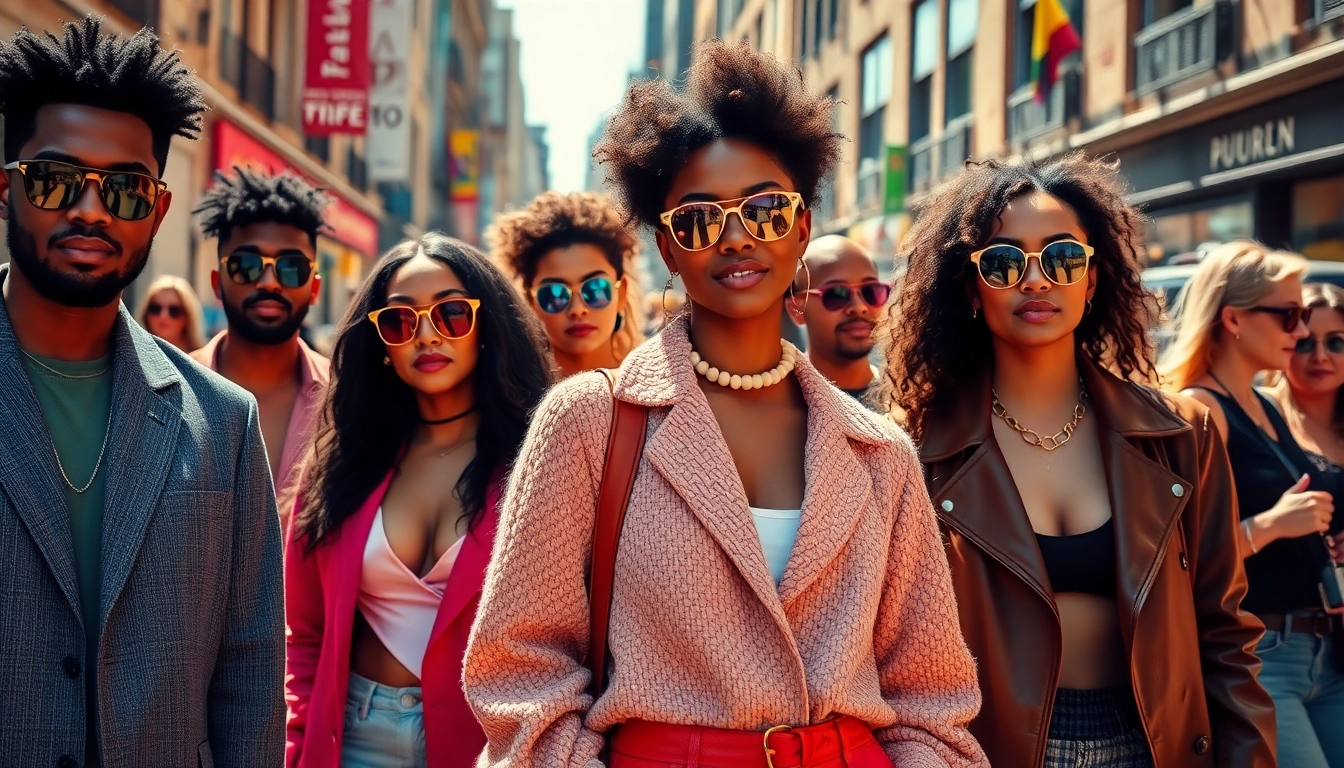
Diversity and inclusivity have also taken center stage, with brands now prioritizing representation across races, body types, and genders in their marketing. These trends indicate that fashion is no longer just about aesthetics; it’s about ethical considerations, community, and individuality.
Fashion as a Form of Self-Expression
How Fashion Reflects Personal Identity
Fashion is one of the most powerful tools for self-expression. It allows individuals to communicate their identities, beliefs, and moods without saying a word. Clothing and accessories can convey gender identity, social positioning, cultural background, and personal interests, making fashion deeply personal yet universally understood.
Individuals often curate their wardrobes to express their uniqueness. This personal style speaks volumes about their values and lifestyle choices. For many, experimenting with fashion can be a journey of self-discovery, enabling them to explore and express various facets of their identity.
Influential Fashion Icons and Their Impact
Throughout the years, numerous fashion icons have transcended their era, shaping trends and setting standards for beauty and style. From Coco Chanel, who revolutionized women’s fashion with her timeless designs, to contemporary figures like Rihanna and Beyoncé, fashion icons inspire and empower individuals to express themselves boldly.
Icons serve as catalysts for change, often challenging conventional beauty norms and promoting inclusivity. Their ability to influence public perception around fashion serves to elevate causes such as body positivity and diversity, making a lasting impact on society.
The Role of Social Media in Shaping Fashion Choices
Social media platforms have transformed the fashion industry by creating a two-way interaction channel between consumers and brands. Influencers and fashion enthusiasts share their styles, which catalyze trends and initiate conversations about fashion.
The immediacy of social media means that trends can rise and fall swiftly, creating a live environment where fashion evolves almost in real-time. This rapid exchange influences consumer behavior and has democratized fashion, making it accessible to a broader audience. Platforms like Instagram and TikTok have dedicated fashion segments, showcasing styles and inspiring followers to embrace their aesthetics.
Fashion Trends to Watch
Key Trends Dominating This Season
As we delve into the trends shaping the current fashion landscape, we notice several key elements dominating this season. Bold colors and oversized silhouettes are exceptionally popular, allowing individuals to experiment with their outfits freely. Accessories like chunky boots and statement belts add flair to minimalist looks, while textures such as leather and sequins elevate traditional patterns.
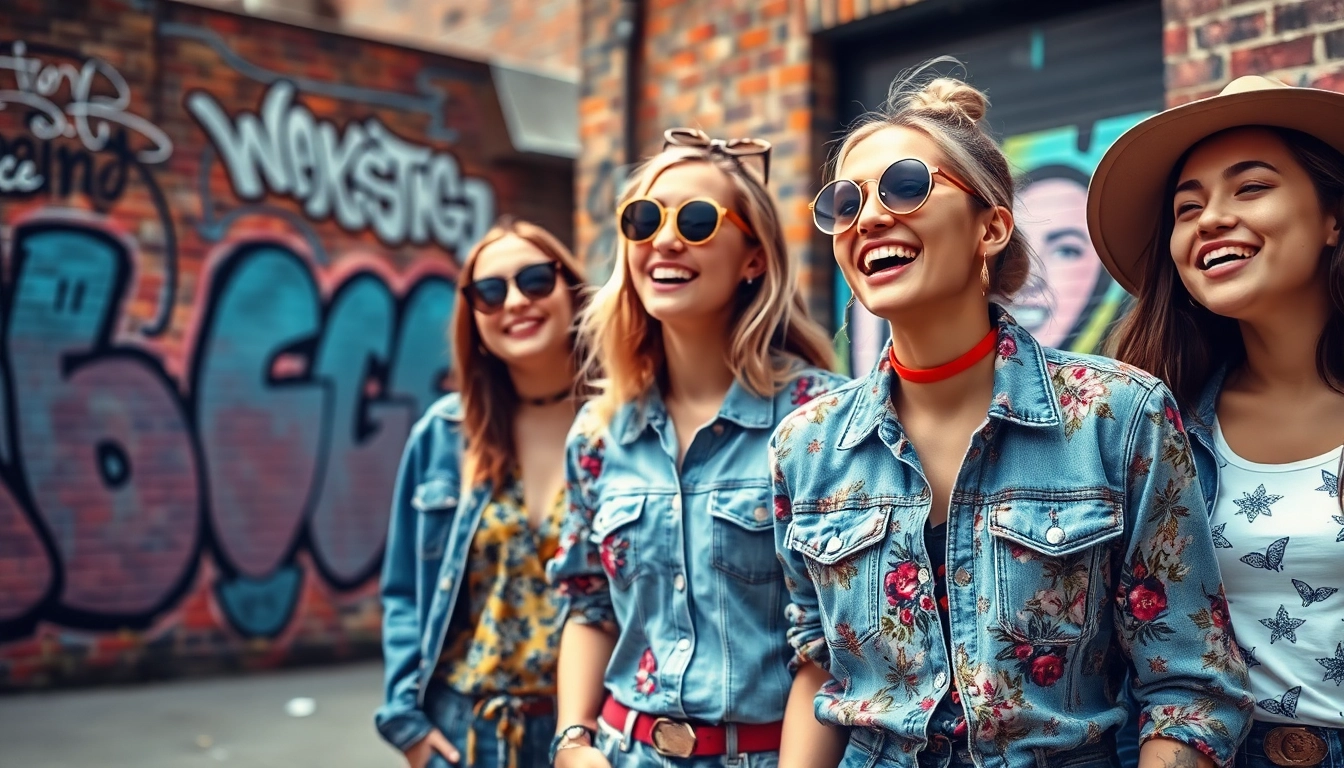
Patterns and prints are making a robust comeback, particularly vintage-inspired designs that evoke nostalgia. Additionally, layering is back in fashion, encouraging diverse combinations that reflect personal style and adaptability.
Fashion Forecast: What to Expect in the Future
Looking ahead, the future of fashion seems set to focus on sustainability and technological innovations. As consumers become more environmentally conscious, the demand for sustainable materials and ethical manufacturing processes is expected to rise. Technologies such as augmented reality and virtual fittings may further revolutionize how we shop, allowing for a more personalized fashion experience.
Moreover, the integration of artificial intelligence in predicting trends and consumer preferences signifies an exciting evolution in how fashion brands engage with their audiences, creating a more tailored shopping experience.
How to Incorporate Trends into Your Wardrobe
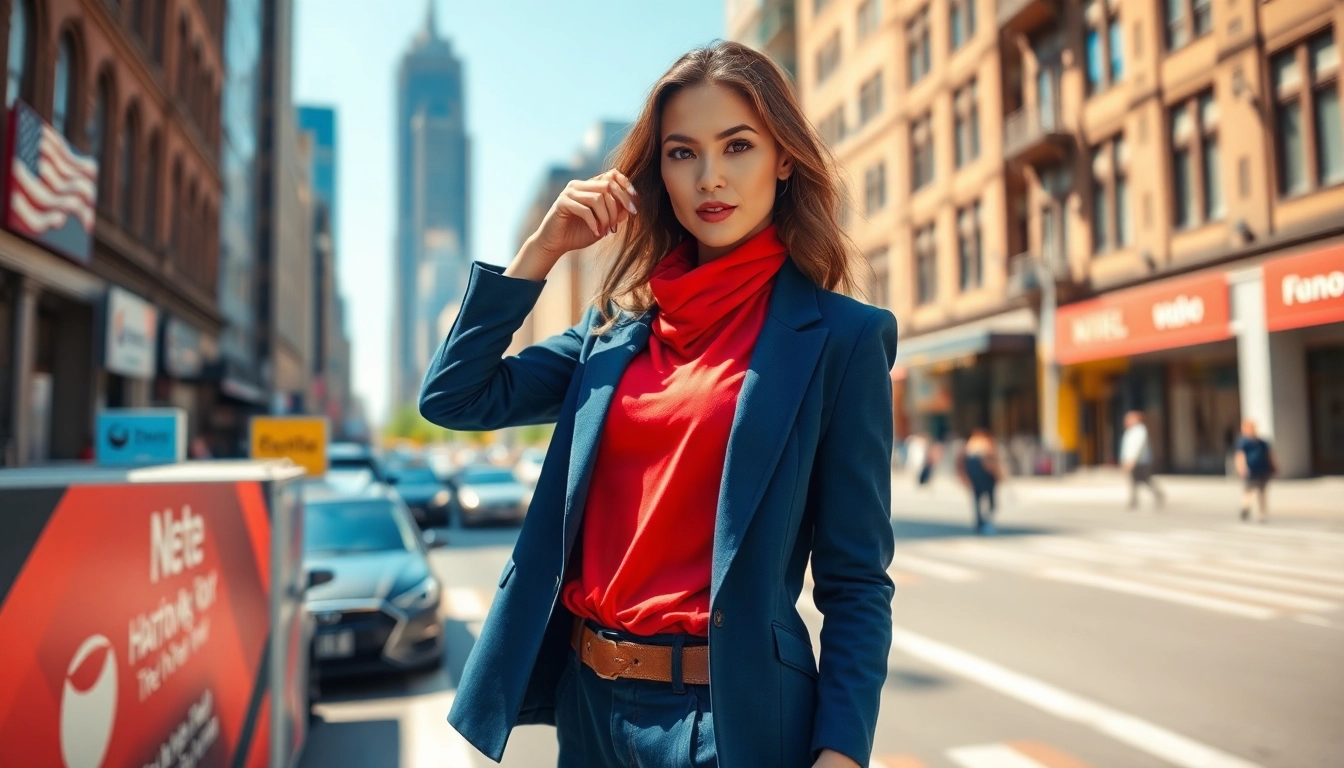
Incorporating new trends into your wardrobe doesn’t have to be daunting. Start by assessing your current closet—identify versatile pieces that can adapt to trending styles. Opt for staple garments that allow for flexibility in pairing with seasonal trends, such as neutral-toned blazers or wide-leg trousers.
Invest in accessories that can update your look effortlessly, like statement earrings or a trendy handbag. Moreover, don’t shy away from thrift or vintage shops, as they often provide unique pieces that align with current trends while being eco-friendly. Most importantly, prioritize your comfort and authenticity—successful styling comes from a place of personal identity.
The Business of Fashion
Behind the Scenes of Fashion Retail
The fashion retail industry operates on a complex infrastructure, ranging from design and production to distribution and sales. Understanding this process is crucial for anyone looking to delve into the industry.
Fashion retailers often face myriad challenges, including inventory management, sourcing materials, and adapting to changing consumer demands. Thus, companies increasingly adopt data analytics to predict trends and optimize their supply chains, streamlining their processes and ensuring timely product releases.
Popular Fashion Merchandising Strategies
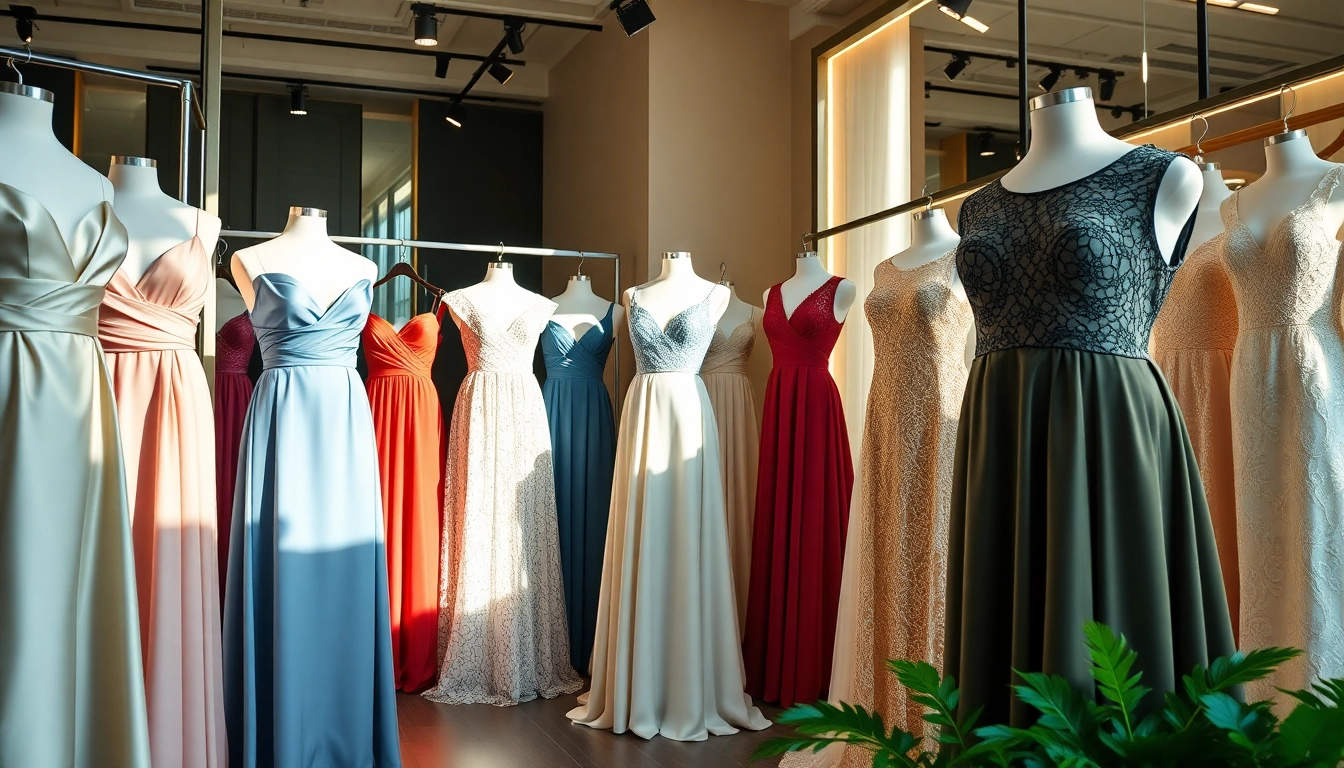
Successful merchandising is essential for captivating consumers. Retailers focus on visual displays, strategic placements, and pricing strategies to engage shoppers effectively. Creating visually appealing storefronts that reflect the latest trends encourages impulse purchases and enhances brand perception.
Additionally, pop-up shops have become a popular strategy, allowing brands to engage directly with consumers, promote new lines, and build brand loyalty. These temporary retail spaces create excitement and urgency, compelling customers to explore and purchase items before they’re gone.
Fashion Marketing: Engaging Your Audience
Effective fashion marketing is about telling compelling stories that resonate with the target audience. Brands leverage various channels—social media, influencer partnerships, and content creation—to create engaging narratives around their products.
Marketers increasingly focus on building community and fostering relationships with consumers rather than solely emphasizing sales figures. Engaging campaigns that showcase real people and celebrate diversity and authenticity can create lasting connections, turning customers into brand advocates.
Frequently Asked Questions About Fashion
What does fashion mean?
Fashion refers to the styles and trends in clothing, accessories, and beauty that evolve over time, reflecting cultural aesthetics and personal identity.
How can I develop my unique fashion style?
Identify what resonates with you, explore various styles, and curate a wardrobe showcasing your individuality by combining trendy pieces and personal favorites.
What are the most trending fashion items right now?
Currently trending are oversized silhouettes, bold colors, vintage prints, and layering techniques that allow for personal style expression.
Which fashion styles suit different body types?
Choose styles based on body shape; for instance, A-line dresses flatter pear shapes, while structured tops suit hourglass figures, highlighting the silhouette.
How do fashion weeks influence upcoming trends?
Fashion weeks showcase designers’ upcoming collections, setting the tone for the season and influencing consumer preferences and retail strategies significantly.