Understanding Seismic Cables
Seismic cables play a crucial role in securing non-structural components within buildings and infrastructures, especially in areas prone to seismic activity. As the demand for more resilient construction practices increases, understanding the purpose and functionality of these cables becomes essential for engineers, contractors, and project managers. In this article, we’ll explore the different types of seismic cables, their applications, industry standards, and best practices for selection and implementation. Moreover, we will delve into current trends shaping the future of seismic cable technology, providing comprehensive insights for those considering these critical components in their projects.
What are Seismic Cables?
Seismic cables are designed to brace and secure non-structural equipment, such as ductwork, piping, and lighting fixtures, during seismic events. These cables absorb and dissipate seismic forces, helping to minimize potential damage and maintain the integrity of critical installations. Typically made from high-strength materials, seismic cables are engineered to sustain extreme conditions while ensuring safety and reliability.
Types of Seismic Cables and Their Applications
- Bracing Cables: Used primarily to secure non-structural components in buildings, such as HVAC systems and fire sprinkler lines. These cables are essential in preventing movement that could result from ground shaking.
- Restraint Cables: Often utilized in conjunction with bracing cables, they prevent lateral movement while allowing for vertical adjustments, making them ideal for flexible installations.
- Seismic Cable Kits: Pre-packaged solutions that include all necessary components for seismic cable systems. These kits provide a convenient option for contractors looking to streamline installation processes.
- Specialized Seismic Solutions: Customized cables that cater to specific needs, including higher load capacities or unique installations.
The Importance of Quality Certifications in Seismic Cables
While selecting seismic cables, it’s critical to consider quality certifications as indicators of performance and safety. Products certified with RoHS standards ensure they are free from hazardous substances, while ISO certifications, such as ISO 9001:2015 for quality management systems, ISO 14001:2015 for environmental management, and ISO 45001:2018 for occupational health and safety, signify adherence to global best practices. When exploring options, seismic cable suppliers with these certifications can provide assurance of product reliability and compliance.
Challenges in Seismic Cable Manufacturing
The manufacturing of seismic cables is not without its challenges. Complexities arise from the need to meet strict safety standards while also accommodating varying project requirements. Understanding these challenges is vital for suppliers and end-users alike.
Common Manufacturing Issues and Solutions
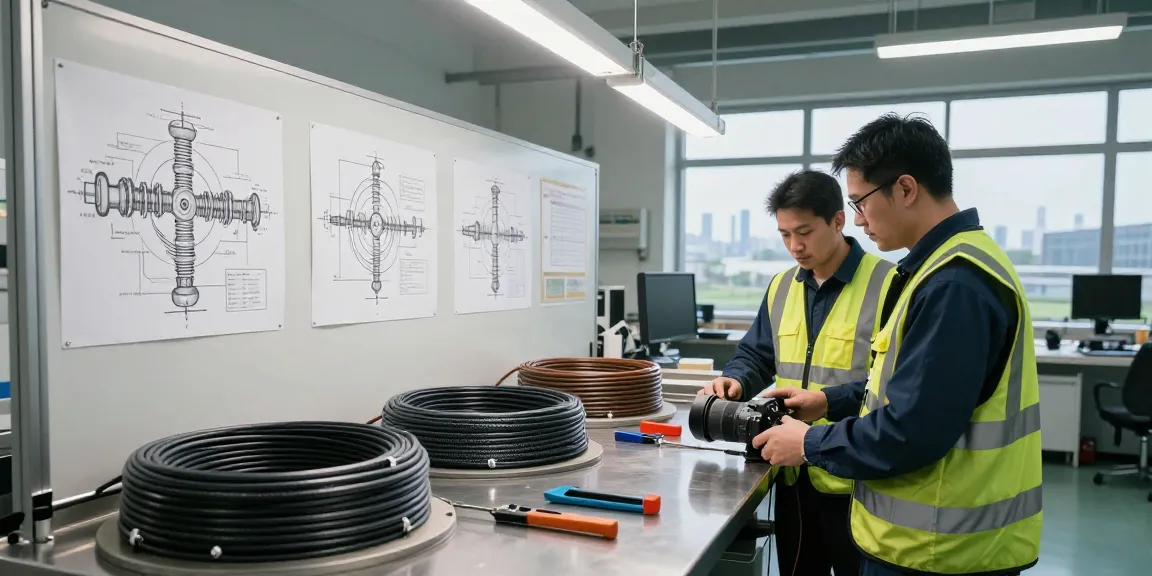
Manufacturing defects can lead to performance failures in seismic cables. Common issues include inadequate material strength, improper assembly, and lack of testing. Implementing rigorous quality control measures and robust testing protocols can mitigate these risks. Additionally, suppliers must stay abreast of innovations in materials science to continually enhance the performance of their products.
Regulatory Compliance for Seismic Cable Production
Regulatory bodies enforce guidelines to ensure the safety and effectiveness of seismic cables. Compliance with local building codes, as well as international standards, is essential. Manufacturers must engage with regulatory agencies early in the development process to facilitate smoother product approvals and minimize delays in the supply chain.
Trends in Sustainable Manufacturing Practices
As industries move towards sustainability, seismic cable manufacturers are adopting eco-friendly practices. This includes using recyclable materials and efficient production processes that reduce waste. By focusing on sustainability, companies not only meet regulatory requirements but also align with the growing demand from consumers for environmentally responsible products.
Best Practices for Selecting Seismic Cables
Choosing the right seismic cables is critical for ensuring the safety and longevity of non-structural components. There are several factors to consider during the selection process.
Factors to Consider When Choosing Seismic Cables
- Load Capacity: Understand the load requirements of the installed systems to select appropriately rated cables.
- Material Selection: Opt for cables constructed from high-tensile materials that offer both flexibility and strength.
- Environmental Resistance: Consider the environmental conditions (such as temperature fluctuations and exposure to chemicals) the cables will face in their operational setting.
- Installation Flexibility: Ensure that the chosen solution allows for adaptable installation practices.
Comparing Suppliers: What to Look For
When evaluating suppliers of seismic cables, it’s essential to consider their track records, customer reviews, and certifications. A reputable supplier should be able to provide comprehensive data on their products, including test results and compliance documentation. Moreover, excellent customer service and support can enhance the purchasing experience and assist in troubleshooting.
Understanding Cable Specifications and Performance Metrics
Before selecting seismic cables, it’s crucial to understand the specifications and performance metrics. Key performance indicators include tensile strength, elongation at break, temperature tolerance, and corrosion resistance. Familiarizing oneself with these metrics aids in making informed selections that align with project requirements.
Implementing Seismic Cables in Projects
Successfully integrating seismic cables into construction projects involves careful planning and execution. A well-defined approach can enhance project outcomes and ensure compliance with safety standards.
Step-by-Step Guide to Integrating Seismic Cables
- Assessment: Evaluate the specific seismic risks associated with the project location.
- Design: Incorporate seismic bracing and restraint methods into the architectural and engineering designs.
- Installation: Follow manufacturer guidelines for the proper installation of cables, ensuring they are anchored securely.
- Testing: Conduct post-installation tests to verify the effectiveness of the seismic cable systems.
- Maintenance: Implement a regular maintenance plan to inspect and replace any worn or damaged cables.
Real-World Case Studies of Successful Seismic Cable Implementation
Several projects worldwide have successfully integrated seismic cables, demonstrating their effectiveness in mitigating damage during seismic events. For example, large commercial buildings in earthquake-prone regions have utilized custom seismic cable systems to ensure the stability of essential systems. In each case, thorough planning, quality materials, and certified installation practices contributed to the projects’ overall success.
Measuring Success: Key Metrics for Seismic Cable Performance
Post-installation, it’s important to measure the success of seismic cable systems. Key metrics include the reduction of equipment movement during seismic events, structural integrity assessments, and overall compliance with safety regulations. Tracking these metrics informs future projects and helps build a case for ongoing investment in seismic technology.
Future Trends in Seismic Cable Technology
The landscape of seismic cable technology is continually evolving, influenced by advancements in materials science, engineering, and smart technology integration. Staying informed about these trends is essential for industry professionals.
Innovations in Seismic Cable Design and Functionality
Recent innovations have introduced lighter, stronger materials that enhance the performance of seismic cables. New designs also focus on modularity, allowing for easier installation and adaptability in various environments. As performance metrics improve, these innovations position seismic cables to play a pivotal role in future construction practices.
The Role of Smart Technology in Seismic Cables
Integrating smart technology into seismic cables presents opportunities for real-time monitoring and data collection. Smart cables equipped with sensors can provide valuable feedback during seismic events, enabling quicker responses and more effective damage assessments. This data can inform future designs and help improve contingency planning.
Predictions for Seismic Cable Market by 2026
Market analysts predict significant growth in the seismic cable industry by 2026, driven by increased awareness of seismic risks and stringent building regulations. As urban areas expand, the demand for advanced seismic solutions will likely rise, prompting manufacturers to innovate continuously and improve their offerings.
What are the Benefits of Advanced Seismic Cable Solutions?
Investing in advanced seismic cable solutions can yield numerous benefits, including enhanced safety, reduced downtime, and lower repair costs post-seismic events. For more information, resistivity cable offers valuable insights. Companies adopting the latest technologies also position themselves as industry leaders, committed to maintaining the highest safety standards and operational resilience.