What is a License Plate Recognition Camera?
Definition and Functionality
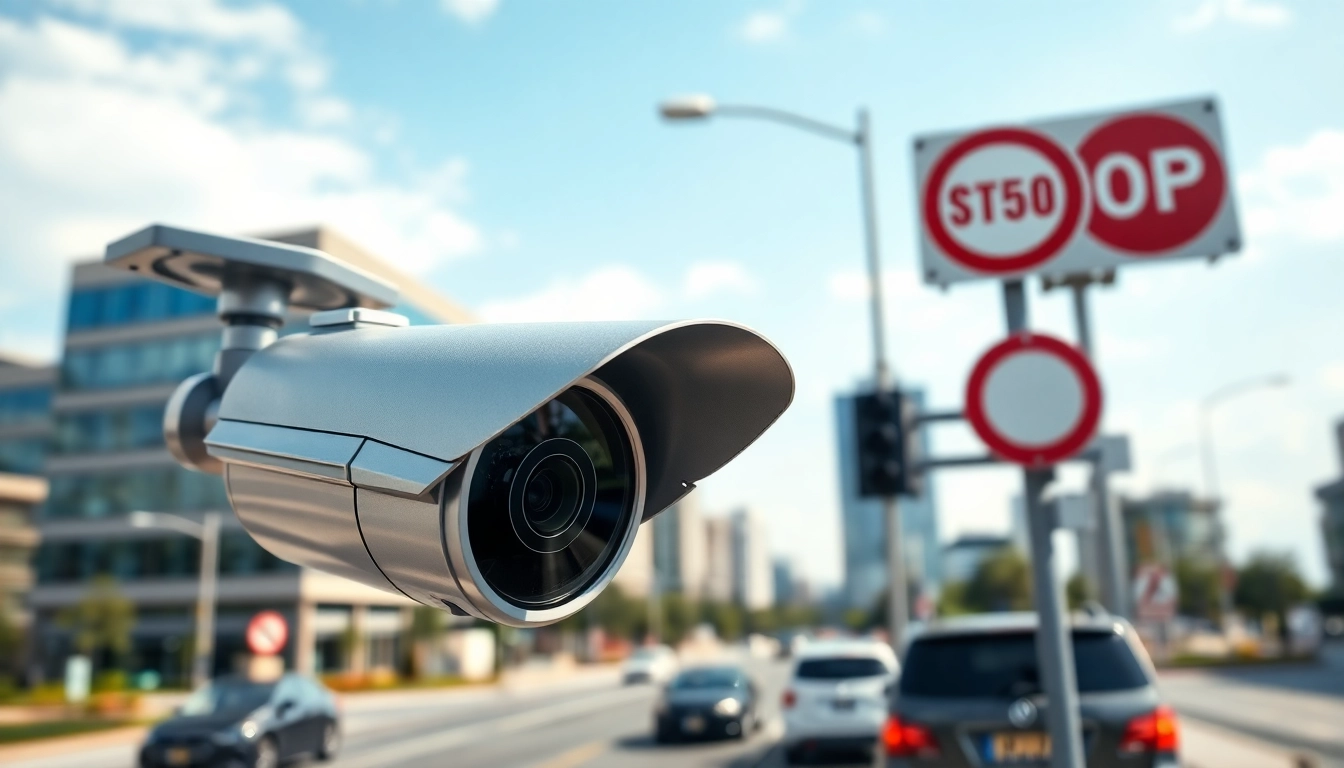
A license plate recognition camera (LPR) is a sophisticated type of surveillance technology designed to automatically read vehicle license plates. Through optical character recognition (OCR), these cameras convert images of license plates into readable data, collecting vital information that can be used for various practical applications. This technology is crucial in modern law enforcement and traffic management, aiding in vehicle identification and tracking.
How It Works
License plate recognition cameras utilize high-resolution imaging, specialized lenses, and advanced algorithms for capturing and processing visual data. These systems typically operate in either day or night conditions, thanks to integrated infrared capabilities for low-light environments. When a vehicle passes in the frame, the camera captures images of the license plate, subsequently processing this visual data through an internal OCR engine, extracting the digits and characters, and storing the information for analysis.
Key Components of a License Plate Recognition Camera
- High-Resolution Camera: Provides clear images of license plates at various distances and speeds.
- Infrared Lighting: Enhances night vision, ensuring functionality in low-light conditions.
- Processing Unit: Analyzes images, utilizing OCR algorithms to extract numeric and alphanumeric plate data.
- Communications Interface: Sends data to external systems for storage or further analysis.
Applications of License Plate Recognition Cameras
Traffic Monitoring and Management
License plate recognition technology is widely used in traffic management systems to monitor vehicle flow, reduce congestion, and analyze traffic patterns. By collecting real-time data on vehicle movement, city planners can make informed decisions about traffic light timing, infrastructure improvements, and road use regulations. This functionality enhances overall traffic efficiency and can play a significant role in emergency response coordination.
Parking Enforcement Systems
Automated parking enforcement systems leverage license plate recognition cameras to manage parking regulations effectively. These systems can identify vehicles parked in restricted areas, alert parking enforcement staff, and even issue citations based on the captured data. By reducing human oversight, LPR systems decrease administrative burdens and lead to faster resolution times for parking violations.
Security and Surveillance Solutions
In the realm of security, license plate recognition cameras are invaluable tools for monitoring and protecting property. They allow for automatic tracking of vehicle entry and exit, creating a historical log that can provide critical evidence in the event of criminal activity. With connections to state or national databases, LPR cameras can also help law enforcement identify stolen vehicles or track suspicious behaviors in real-time.
Benefits of Using License Plate Recognition Cameras
Enhanced Security
The implementation of a license plate recognition camera system significantly increases the security posture of facilities ranging from parking lots to high-security establishments. By automatically logging entries, these systems act as a deterrent to potential criminal behavior, providing data for investigations if a crime occurs.
Data Collection and Analysis
These cameras provide organizations with detailed data analytics regarding vehicle traffic and behavior patterns. This information can be invaluable for planning traffic management strategies or analyzing commercial vehicle patterns for load distribution and logistics planning.
Increased Efficiency in Operations
By automating the process of tracking vehicle movements, organizations can reduce the manpower needed for surveillance operations. The data collected can be accessed in real-time, driving quicker decision-making processes. Companies find that license plate recognition cameras allow them to enhance their operational efficiency while cutting costs related to staffing and oversight.
Choosing the Right License Plate Recognition Camera
Factors to Consider
When selecting a license plate recognition camera, several key factors should be assessed:
- Resolution: Higher resolution cameras capture more detailed images, crucial for OCR accuracy.
- Frame Rate: A higher frame rate ensures that fast-moving vehicles are captured clearly.
- Weather Resistance: Outdoor installations require cameras with appropriate durability against varied weather conditions.
- Integration Capabilities: Consider how well the camera can integrate with existing security systems or databases.
Comparison of Features
Among the various models and brands, it is essential to compare features such as low light performance, range, environmental resilience, and ease of use. Understanding the operational needs, such as installation sites and specific functions required, helps stakeholders make informed decisions.
Budget Considerations
Budgeting for a license plate recognition camera system involves not just the upfront costs of purchasing the equipment but also ongoing maintenance, software updates, and data storage solutions. When planning a budget, consider the total cost of ownership over the expected lifespan of the system.
Future Trends in License Plate Recognition Technology
Advancements in AI and Machine Learning
As AI technologies evolve, so too will the capabilities of license plate recognition cameras. Future systems will be increasingly equipped with machine-learning algorithms that improve recognition capabilities under diverse conditions and adapt to new license plate formats or styles automatically. This would enhance accuracy and reduce false-positive rates significantly.
Integration with Other Security Systems
Future advancements are likely to see greater integration of LPR technology with broader security systems encompassing facial recognition, motion detection, and automated access control systems. Such integrations can provide a robust security framework that enhances the overall efficiency and effectiveness of surveillance operations.
Regulatory Considerations and Ethical Use
As license plate recognition technology becomes more prevalent, the associated ethical and legal considerations are equally important. Authorities will need to focus on creating regulations that govern data privacy, usage rights, and retention policies to ensure community trust and compliance with data protection laws.
FAQs
1. How accurate are license plate recognition cameras?
License plate recognition cameras boast high accuracy rates, often exceeding 95% under optimal conditions. Accuracy can vary based on lighting, distance, and environmental factors.
2. Can license plate recognition cameras work at night?
Yes, many modern license plate recognition cameras are equipped with infrared technology for effective nighttime operation, capturing clear images even in low-light conditions.
3. What data do license plate recognition cameras collect?
These cameras collect various data types, including license plate numbers, vehicle make and model, timestamps, and location data, which can be used for multiple applications.
4. Are there privacy concerns with license plate recognition technology?
Yes, privacy concerns exist regarding data collection and surveillance. Many jurisdictions are developing laws to regulate the use and retention of data collected by LPR systems.
5. Can license plate recognition cameras be hacked?
Like any digital system, license plate recognition cameras can potentially be hacked. Implementing strong cybersecurity measures is critical to protecting the data and the systems involved.