Introduction to Shrink Wrapper Technology
Shrink wrapping is a pivotal packaging technique that ensures products are protected and presented appealingly. But what exactly is it? A shrink wrapper is a specialized machine designed to envelop products in plastic film, which is then heated to conform tightly to the item. This not only secures products during transit but also enhances their shelf presence. In an age where branding and product integrity are paramount, understanding shrink wrapping technology becomes essential for manufacturers and businesses alike.
What is a Shrink Wrapper?
A shrink wrapper is a machine that utilizes heat to shrink plastic film around a product, creating a tight, transparent seal. This mechanism not only offers a layer of protection against dust, moisture, and physical damage but also enhances the product’s presentation on the shelf. Shrink wrapping is commonly used in various industries, from food packaging to pharmaceuticals, where hygiene and product visibility are crucial.
How Shrink Wrap Systems Work
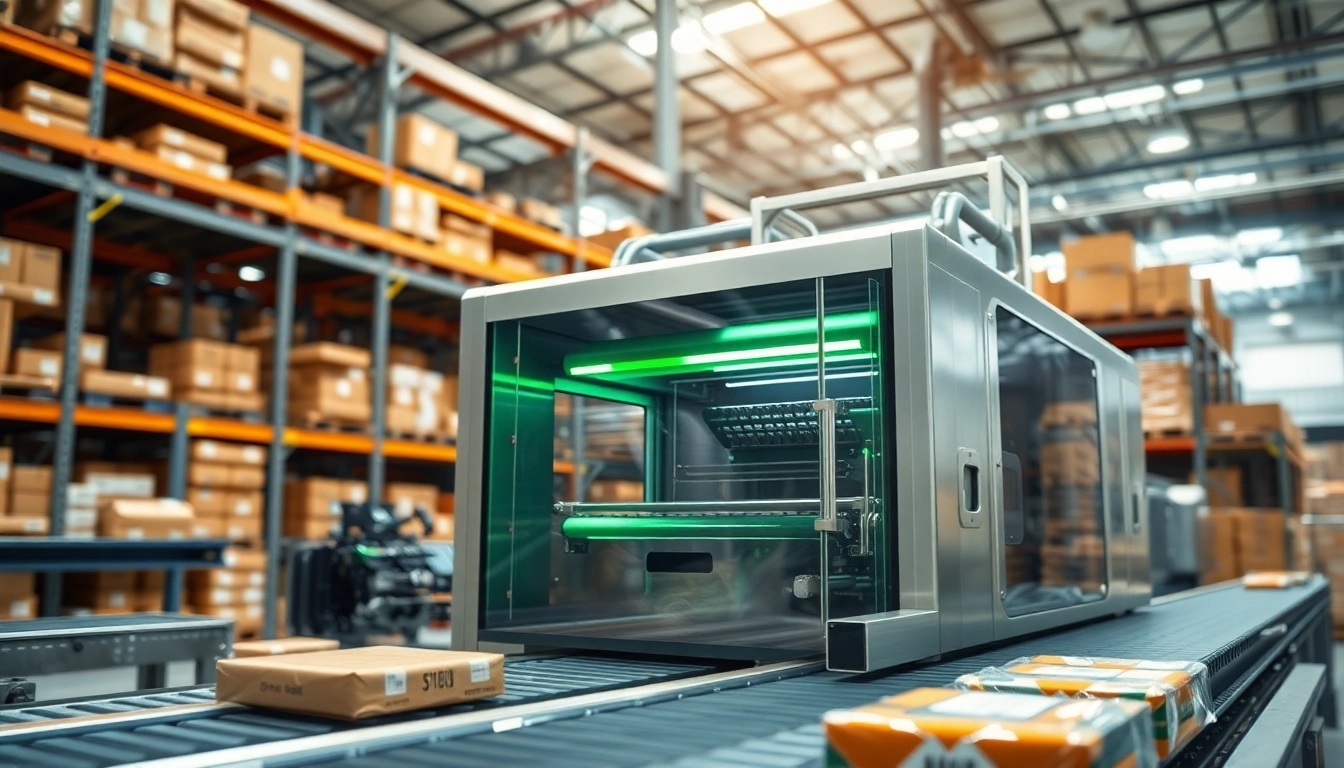
Shrink wrap systems operate through a straightforward process. Initially, the product is placed onto a conveyor belt. The machine then picks up the pre-cut shrink film and wraps it around the item. Subsequently, the wrapped product passes through a heat tunnel, where the application of heat causes the film to shrink tightly around the product’s shape. Various systems, such as L-bar sealers and sleeve wrappers, exist to accommodate different packaging needs, including those of various sizes and shapes.
Key Benefits of Using a Shrink Wrapper
Utilizing a shrink wrapper presents numerous advantages:
- Product Protection: Keeps products safe from external elements.
- Cost-Effectiveness: Reduces packaging material waste compared to other methods.
- Improved Shelf Life: Enhances product longevity by providing a moisture barrier.
- Enhanced Aesthetic Appeal: Offers a professional look that can boost sales.
- Flexibility: Suitable for a wide range of products and industries.
Types of Shrink Wrapper Machines
Automatic vs. Manual Shrink Wrappers
Shrink wrappers are available in both automatic and manual models. Automatic shrink wrappers are designed for high-volume production where speed and efficiency are priorities. These machines typically include features like automatic film feeding and inserting, reducing the need for human intervention. Conversely, manual shrink wrappers are more suitable for smaller operations or businesses that require less frequent packaging, offering a more hands-on approach to shrink wrapping.
Different Shrink Wrap Materials
The choice of shrink wrap material greatly influences the effectiveness of the shrink wrapping process. Common materials used include:
- Polyvinyl Chloride (PVC): Known for its clarity and strength.
- Polyethylene (PE): Offers greater flexibility and durability, making it ideal for heavier products.
- Polyolefin (POF): A popular choice for food packaging due to its low toxicity and heat resistance.
Each of these materials has its unique properties, and selecting the appropriate film is crucial for maximizing the benefits of shrink wrapping.
Choosing the Right Machine for Your Needs
When selecting a shrink wrapper, businesses must consider several factors:
- Product Size and Shape: Ensure the machine can accommodate the dimensions of your products.
- Volume of Packaging: High-volume production may require an automatic machine, whereas lower volumes can be managed manually.
- Type of Material: Consider the shrink wrap material you intend to use and ensure compatibility with the machine.
- Budget: Assess your budget against the initial investment and anticipated return on efficiency and cost savings.
Thorough evaluation and planning can lead to a more efficient and effective shrink wrapping process.
Applications of Shrink Wrapping
Industries That Use Shrink Wrappers
Shrink wrapping has found applications across numerous industries, including:
- Food and Beverage: Ensures hygiene and extends shelf life.
- Pharmaceuticals: Maintains product integrity and compliance with safety regulations.
- Consumer Goods: Enhances the visual appeal of retail products.
- Electronics: Protects against dust and moisture during shipping and handling.
- Cosmetics: Provides tamper evidence, ensuring customer confidence.
Shrink wrapping’s versatility allows it to be tailored to the specific needs of each industry, enhancing both functionality and presentation.
Common Products Packaged with Shrink Wrapping
A wide range of products can be effectively packaged using shrink wrapping techniques:
- Single items like bottles or cans.
- Multi-pack products such as snack packs or beverages.
- Composite items, including bundled goods like books or magazines.
- Seasonal products that require special presentation for sales events.
Thus, from everyday items to specialized goods, shrink wrapping ensures protection and attractiveness.
Case Studies: Successful Implementations
Several companies have successfully integrated shrink wrapper technology, leading to considerable improvements in efficiency and product quality. For example, a well-known beverage company transitioned from traditional packaging methods to automated shrink wrapping. This move led to:
- A 30% decrease in packaging costs.
- A significant reduction in product waste due to improved sealing.
- Enhanced shelf visibility resulting in an increase in sales by 15%.
Such case studies highlight the transformative impact that adopting shrink wrapper technology can have on business operations.
Best Practices for Operating Shrink Wrappers
Safety Guidelines to Follow
Operating shrink wrap machinery can pose safety risks if not managed properly. It’s essential to adhere to safety guidelines, including:
- Regularly inspecting the machinery for any signs of wear or malfunction.
- Providing adequate training for all operators on machine use and emergency procedures.
- Ensuring that the workspace is free of obstructions and hazards that could cause accidents.
By prioritizing safety, businesses can prevent accidents and ensure smooth operational processes.
Maintenance Tips for Longevity
Proper maintenance is crucial for the longevity of shrink wrappers. Consider the following tips:
- Conduct routine cleaning to prevent buildup of dust and debris.
- Regularly check and replace worn parts to maintain performance.
- Calibrate the heat settings to suit different shrink wrap materials consistently.
Following a strict maintenance regimen helps avoid unexpected downtime and promotes efficient packaging operations.
Common Mistakes to Avoid
Mistakes made during the shrink wrapping process can lead to inefficiencies and product damage. Here are some common pitfalls to avoid:
- Using the wrong type of shrink film, which can compromise product protection.
- Poor placement of products leading to inadequate sealing and presentation.
- Neglecting regular maintenance can result in equipment failures.
Being aware of these errors allows businesses to streamline their operations and ensure optimal packaging quality.
Future Trends in Shrink Wrapper Technology
Innovations in Shrink Wrap Materials
As technology evolves, so does the development of shrink wrap materials. There is a growing trend towards multi-layer films that offer better protection, reduced weight, and cost savings. Innovations focus on enhancing barrier properties while maintaining the flexibility and clarity that allow consumers to see the product clearly.
Eco-Friendly Shrink Wrapping Solutions
With the surge in eco-consciousness, the shrink wrapping industry is exploring sustainable materials, such as biodegradable and recyclable films. Businesses are increasingly investing in these eco-friendly solutions to appeal to environmentally conscious consumers while also adhering to global sustainability goals.
Automation and Industry 4.0 Adaptations
As industries move towards automation and the digital transformation of operations, shrink wrappers are evolving to integrate with smart factory technologies. This includes capabilities such as remote monitoring, real-time adjustments, and data analytics to optimize packaging processes. These advancements promise significant efficiency gains and cost savings for businesses.
FAQs
What is a shrink wrapper used for?
A shrink wrapper is used for securely packaging products by applying heat to shrink plastic film around them, ensuring protection and visual appeal.
Are shrink wrappers automated?
Yes, many modern shrink wrappers are automated, allowing for efficient mass production with consistent packaging quality and reduced labor costs.
What materials can be used with shrink wrappers?
Shrink wrappers typically use films such as PVC, PE, or POF, which provide flexibility, durability, and clarity for the packaged products.
How do I maintain a shrink wrapper?
Regular cleaning, checking for wear and tear, and ensuring proper calibration and settings are essential to maintain a shrink wrapper effectively.
Can shrink wrap be recycled?
Some types of shrink wrap can be recycled; however, always check with local recycling guidelines to ensure proper disposal and recycling methods.