Understanding Bath Renovations
What Are Bath Renovations?
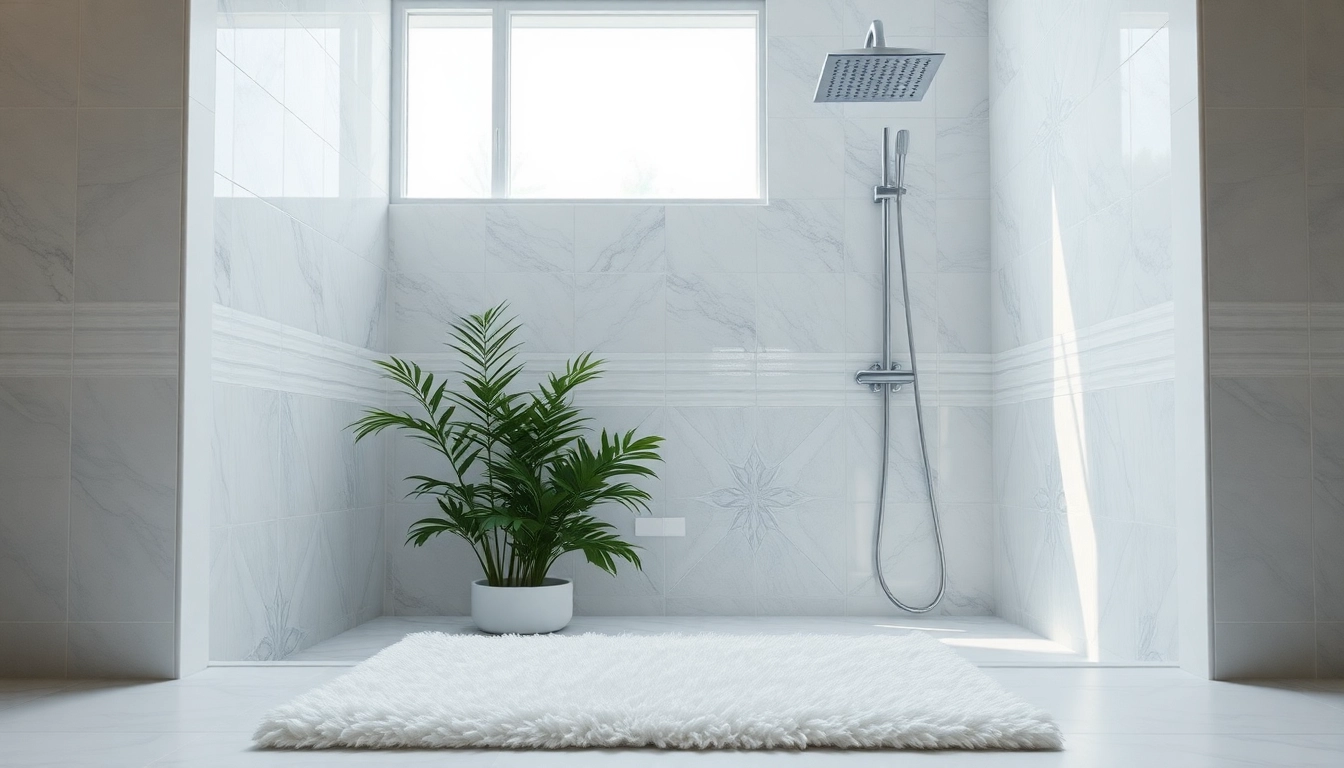
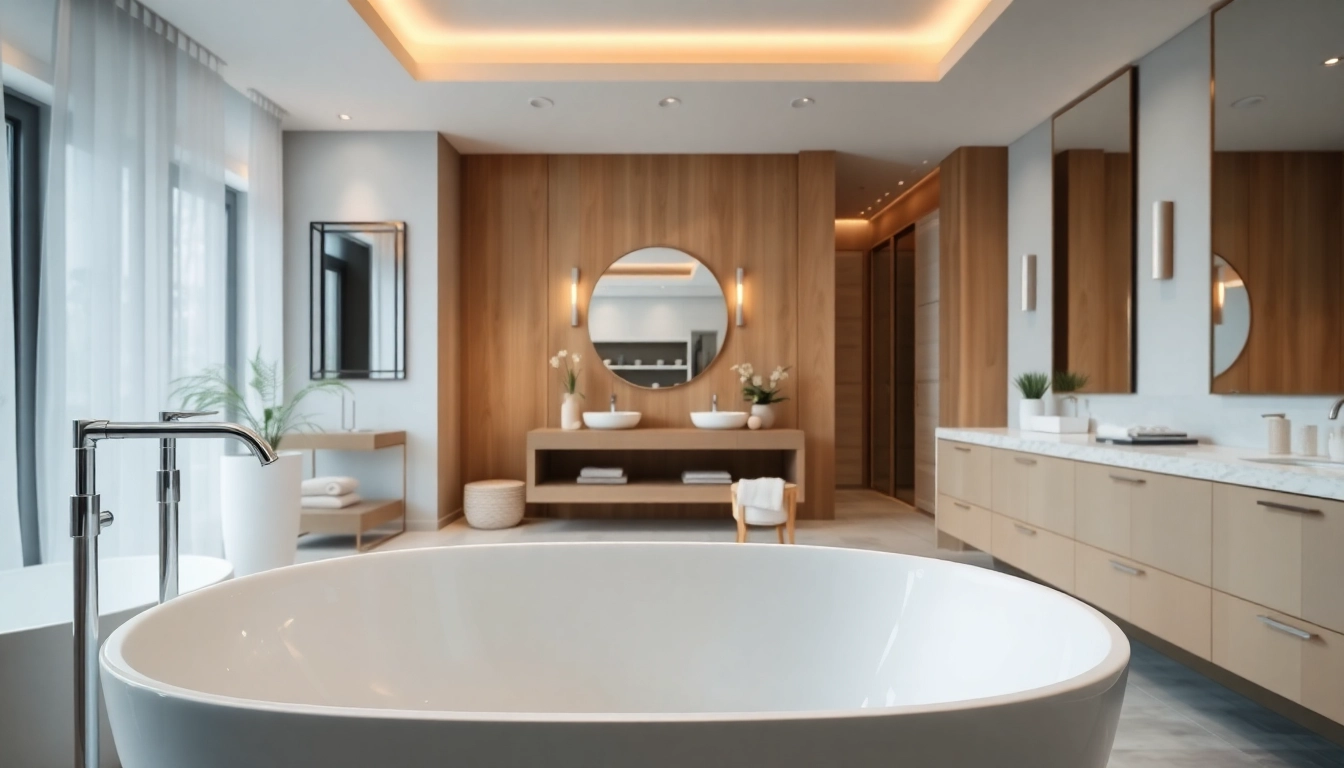
Bath renovations represent the process of updating, remodeling, or completely altering the existing features and functionalities of a bathroom space. This can include replacing fixtures like sinks, toilets, and bathtubs, as well as updating cabinetry, flooring, and wall finishes. Bath renovations can range from small updates, such as repainting or installing new lighting, to comprehensive overhauls that involve reconfiguring the layout to improve usability and aesthetics.
Benefits of Updating Your Bathroom
There are numerous benefits to investing in bath renovations, including:
- Increased Home Value: A modern, well-designed bathroom can significantly raise the value of your property, appealing to prospective buyers.
- Enhanced Functionality: Renovations allow you to create a more functional space that meets your current needs, whether it be through better storage solutions or updated layouts.
- Improved Efficiency: Upgrading to modern, energy-efficient fixtures can lower utility bills and reduce environmental impact.
- Personalization: Renovating offers the opportunity to design a space that reflects your personal style and lifestyle preferences.
- Enhanced Safety: Older bathrooms may pose safety risks with outdated fixtures and slippery surfaces; renovations can address these concerns effectively.
Common Materials Used in Bath Renovations
The selection of materials plays a critical role in the success of any renovation project. Here are some popular choices for bath renovations:
- Tiles: Available in ceramic, porcelain, and natural stone, tiles can be used for floors, walls, and even as accents. Each type offers unique aesthetics and durability.
- Vanities: Wooden, laminated, or quartz vanities provide storage and functionality, with endless design options to match your theme.
- Fixtures: Faucets, showerheads, and toilets should be chosen for both aesthetic appeal and water efficiency.
- Countertops: Materials like granite, marble, and quartz are common due to their durability and elegant appearance.
- Paint: Choosing the right color can dramatically change the mood of the space. Moisture-resistant paint is advisable for longevity.
Planning Your Bath Renovations
Setting a Budget for Your Project
When planning bath renovations, establishing a clear budget is essential. It allows for proper allocation of resources and helps manage expectations throughout the project. Start by determining the overall cost from materials to labor—this can involve getting estimates from contractors and researching material costs. Consider setting aside a contingency fund for unforeseen expenses, typically around 10-20% of your budget.
Essential Design Considerations
Designing your renovated bathroom should balance aesthetics with functionality. Key considerations include:
- Layout: Optimize the layout for ease of use, ensuring there’s enough space for movement and access to all fixtures.
- Lighting: Layer different types of lighting—ambient, task, and accent—to achieve a well-lit and inviting space.
- Storage: Assess your storage needs; integrating built-in shelving or additional cabinetry can help keep the area organized.
- Accessibility: Consider any mobility issues; installing grab bars, wider doors, and non-slip tiles can enhance safety for all users.
Finding the Right Professionals
Hiring the right professionals can elevate the quality of your bath renovations. Look for licensed and insured contractors with a portfolio showcasing prior work. Detailed references and reviews can also guide your decision-making process. It is advisable to interview multiple candidates to get a feel for their approach, responsiveness, and compatibility with your vision.
Trends in Bath Renovations
Popular Styles for Modern Homes
Staying updated on current trends can help inspire your bath renovations. Popular styles include:
- Minimalism: A clean, uncluttered look with sleek fixtures and a focus on natural materials.
- Transitional: A blend of traditional and contemporary design elements that create a timeless yet modern feel.
- Industrial: Use of raw materials, such as exposed brick and metallic fixtures, promotes a rustic and contemporary vibe.
- Spa-Inspired: Features such as rainfall showerheads, steam showers, and soaking tubs create a luxurious, relaxing space.
Eco-Friendly Renovation Options
As sustainability becomes increasingly important, eco-friendly options for bath renovations are in high demand. Consider the following:
- Water-Efficient Fixtures: Low-flow faucets, showerheads, and toilets reduce water usage without sacrificing performance.
- Recycled Materials: Incorporate recycled glass tiles or reclaimed wood in your design to minimize environmental impact.
- Energy-Efficient Lighting: Use LED lights to reduce energy consumption while enhancing the bathroom’s ambiance.
- Low-VOC Paint: Select paints with low volatile organic compounds to improve indoor air quality.
Innovations in Bath Design Technology
The bathroom is becoming increasingly high-tech. Innovations include:
- Smart Showers: Features that adjust water temperature and flow via digital controls or mobile apps.
- Automated Lighting: Sensors that adjust lighting based on occupancy and time of day.
- Touchless Faucets: Enhance hygiene and convenience, especially in busy households.
- Voice-Activated Controls: Allow for hands-free adjustments of lighting, temperature, and music.
Completing Your Bath Renovations
Key Steps in the Renovation Process
The renovation process can be broken down into several key steps:
- Design Finalization: Ensure all design aspects are finalized and agreed upon with your contractor.
- Purchasing Materials: Source and purchase all necessary materials as per the design plan.
- Demolition: Safely remove old fixtures, tiles, and other materials from the space.
- Construction: Install new elements, including plumbing, lighting, and fixtures.
- Finishing Touches: Paint, decorate, and furnish the bathroom to complete the renovation.
Estimating Time Frames for Projects
The time frame for completing bath renovations can vary based on the extent of the work. A simple cosmetic update may take a week, while a full remodel could last 4-6 weeks, depending on materials availability and contractor efficiency. Having a detailed timeline established in advance can help keep the project on track.
Navigating Permits and Regulations
Before commencing any major construction, it’s crucial to check local building regulations. Depending on your location, certain renovations may require permits, especially those involving plumbing, electrical work, or structural changes. Consulting with your contractor is essential, as they can guide you through the permitting process.
Maintenance and Care After Bath Renovations
Best Practices for Bathroom Upkeep
Maintaining your renovated bathroom ensures it stays fresh and functional. Implement these best practices:
- Regular Cleaning: Schedule routine cleaning to prevent mold and mildew build-up in damp areas.
- Inspect Fixtures: Check for leaks or wear in fixtures, addressing any issues promptly to avoid larger problems.
- Ventilation: Ensure proper ventilation to reduce humidity and prevent damage to surfaces over time.
- Cleansers: Use non-abrasive, pH-balanced cleaners to protect surfaces from scratches and degradation.
Troubleshooting Common Issues
Even with renovations, issues can crop up. Common problems and solutions include:
- Water Leak: Frequently inspect areas around faucets, toilets, and tubs, immediately address leaks to prevent water damage.
- Clogged Drains: Regularly clean drains and use strainers to prevent debris build-up.
- Mold Growth: Address moisture sources and utilize mold-resistant paint and materials.
- Cracked Tiles: Replace any damaged tiles promptly to avoid further issues and maintain aesthetics.
Long-Term Care for Renovated Bathrooms
To extend the life of your renovated bathroom, consider these long-term care tips:
- Routine Maintenance: Schedule annual checks for plumbing and electrical systems.
- Update Fixtures: Consider modernizing fixtures or appliances as newer, more efficient options become available.
- Seasonal Preparations: Prepare the bathroom for changes in climate, considering items like dehumidifiers during humid months.
- Repaint Areas: Refresh paint or wallpaper every few years to keep your space looking updated and vibrant.
Frequently Asked Questions (FAQs)
What is the average cost of bath renovations?
The cost of bath renovations can vary significantly based on factors like location, materials, and the extent of the work. A basic remodel might range from $3,000 to over $15,000 for comprehensive updates.
How long do bath renovations typically take?
Project duration can vary; minor updates may take a week, while complete renovations typically take 4-6 weeks, depending on resources and labor availability.
Are permits required for bath renovations?
Yes, major renovations, especially those involving plumbing or electrical changes, usually require permits. Always check local regulations before proceeding.
How can I make my renovated bathroom more eco-friendly?
Opt for water-efficient fixtures, use recycled materials, and select low-VOC paints to enhance environmental responsibility within your bathroom.
What maintenance does a renovated bathroom need?
Routine cleaning, checking for leaks, ensuring proper ventilation, and inspections of fixtures are essential to maintain the quality and longevity of renovated spaces.