
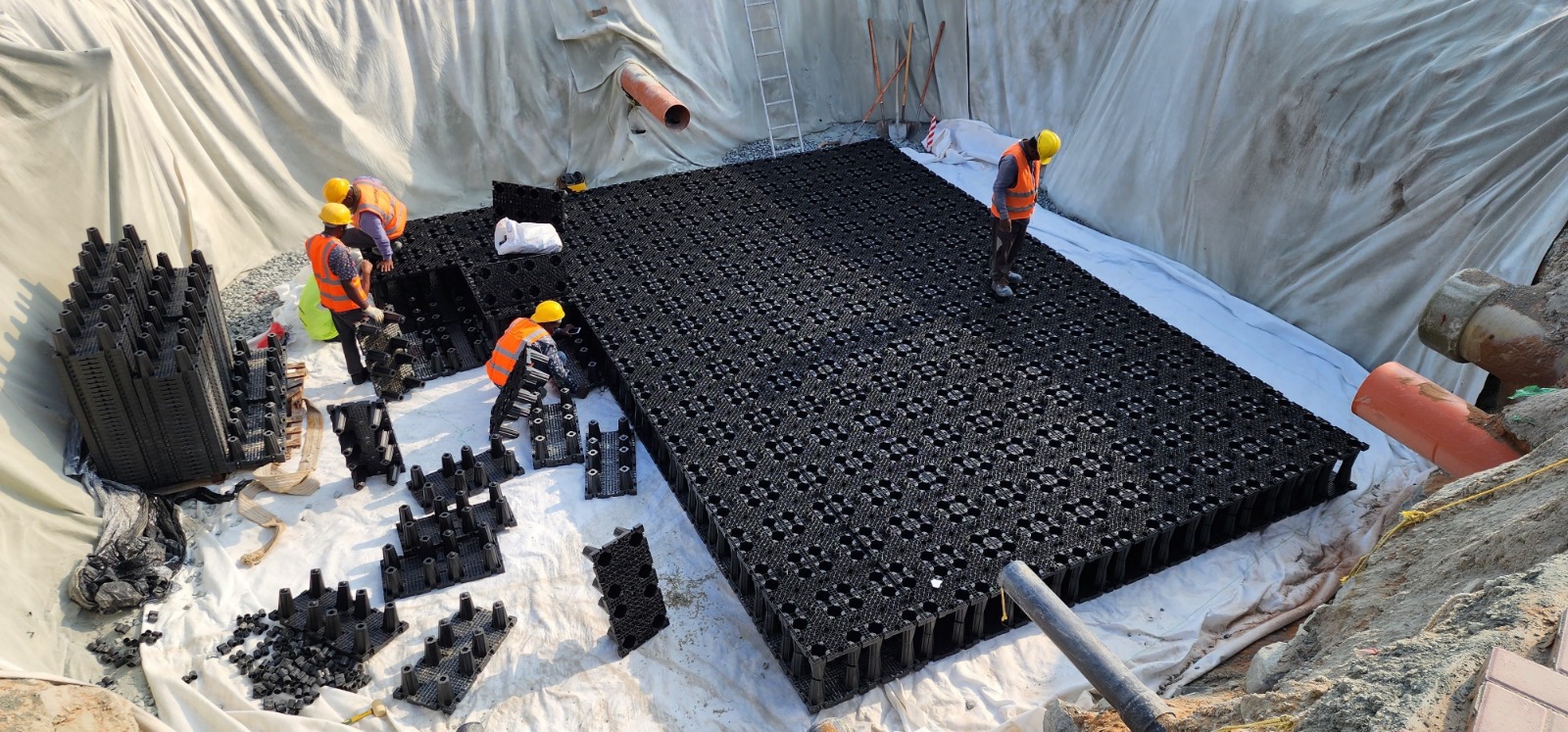
Stormwater management has become a critical aspect of urban planning, particularly as cities face increasing rainfall events and climate variability. Proper management of stormwater not only prevents flooding but also protects water quality and supports sustainable development. HOENSOEY stormwater modules are designed to provide efficient, scalable, and environmentally friendly solutions for modern drainage systems. By incorporating these modules into urban landscapes, planners and engineers can create resilient infrastructure that meets the demands of both present and future generations.
What Are Stormwater Modules?
Stormwater modules are engineered systems designed to manage the flow, storage, and infiltration of rainwater. These modules typically consist of modular units that can be assembled underground to create retention, detention, or infiltration systems. They are highly adaptable and can be customized for various site conditions, from small residential developments to large commercial projects. Using stormwater modules allows cities to reduce surface runoff, mitigate flooding, and promote groundwater recharge.
The primary function of stormwater modules is to temporarily store excess water during rainfall events and release it slowly to prevent overwhelming drainage networks. This controlled flow reduces the risk of urban flooding, minimizes erosion, and protects natural waterways from pollution. Additionally, these modules are designed to be durable, lightweight, and easy to install, making them a practical solution for modern stormwater management.
Benefits of HOENSOEY Stormwater Modules
- Flood Mitigation: One of the most significant advantages of HOENSOEY stormwater modules is their ability to manage large volumes of water efficiently. By storing stormwater temporarily, these modules help prevent flooding in urban areas, protecting properties and infrastructure.
- Sustainable Drainage: Incorporating stormwater modules into a drainage system supports sustainable urban development. The modules promote infiltration, allowing rainwater to seep into the ground rather than being discharged into rivers or sewers, which reduces environmental impact.
- Water Quality Improvement: Stormwater modules can be paired with filtration systems to remove pollutants from runoff, enhancing water quality. This is particularly important in urban areas where runoff often carries oils, heavy metals, and sediments.
- Flexibility and Scalability: HOENSOEY stormwater modules are modular by design, allowing them to be adapted to different site requirements. Whether for a small park or a large industrial complex, the modules can be combined to meet specific storage and flow needs.
- Cost-Effective: Compared to traditional concrete tanks or pipes, stormwater modules are lightweight and easy to install, reducing construction costs and time. Their modular nature also allows for phased installation, making budgeting and planning more flexible.
Applications of Stormwater Modules
HOENSOEY stormwater modules can be used in a variety of applications:
- Residential Areas: Modules can be installed beneath driveways, gardens, or green spaces to manage runoff effectively.
- Commercial and Industrial Sites: Large-scale modules can handle high volumes of water from impervious surfaces like parking lots and rooftops.
- Public Infrastructure: Roads, parks, and urban plazas can integrate stormwater modules to reduce surface flooding and improve water infiltration.
- Green Building Projects: Many sustainable building projects utilize stormwater modules to meet environmental standards and promote eco-friendly design.
By incorporating these modules into urban planning, municipalities can significantly reduce the risk of flooding while enhancing groundwater recharge and water quality. This makes HOENSOEY stormwater modules a critical component of modern, sustainable drainage systems.
Installation and Maintenance
Installing stormwater modules involves careful planning to ensure optimal performance. The modules are typically assembled underground, connected to inflow and outflow pipes, and covered with permeable soil or landscaping. Proper installation ensures that the system can handle expected rainfall events and distribute water efficiently.
Maintenance is generally minimal but essential for long-term performance. Routine inspection ensures that debris or sediment does not obstruct water flow. Some systems include access points for easy cleaning and monitoring. With regular maintenance, stormwater modules can provide reliable performance for decades, making them a sustainable investment for urban infrastructure.
Conclusion
HOENSOEY stormwater modules offer a modern, efficient, and environmentally responsible solution for managing urban runoff. By providing flood mitigation, improving water quality, and promoting sustainable drainage practices, these modules address the growing challenges posed by urbanization and climate change. Their flexibility, scalability, and cost-effectiveness make them suitable for a wide range of applications, from residential gardens to large commercial developments. With minimal maintenance and long-lasting performance, HOENSOEY stormwater modules represent a forward-thinking approach to urban water management, ensuring resilient, sustainable, and efficient drainage systems for years to come.