
The Allure of PRA Classic Cars
Classic cars have a unique charm that captivates enthusiasts and collectors alike. The lifestyle surrounding classic automobiles transcends mere transportation; it reflects passion, craftsmanship, and history. This is particularly true for PRA Classic Cars, which encapsulates the essence of classic car culture with a diverse range of models that are celebrated for their beauty and engineering excellence.
Understanding Classic Car Culture
Classic car culture is more than just a hobby; it’s a vibrant community dedicated to preserving automotive history. From restoration projects to enthusiast meetups, every aspect of classic car ownership contributes to a captivating cultural tapestry. Classic car enthusiasts share knowledge, swap stories, and celebrate their passion through various platforms, including clubs, online forums, and social media groups.
The charm of classic cars often lies in the emotional connections they foster. Many individuals hold memories of these vehicles tied to family traditions or nostalgic moments. As a result, classic car ownership becomes a way to relive those cherished memories while also engaging in a community with similar interests.
The Investment Value of Classic Cars
Vintage automobiles have increasingly become an attractive investment opportunity. The market for classic cars has shown resilience and growth over the years. Certain models can appreciate significantly, driven by their rarity, condition, and historical significance. Collectors often view vehicles as tangible assets and investments that can provide returns greater than traditional investments.
However, investing in classic cars requires knowledge of the market and the specific vehicles that have strong resale potential. It’s essential to keep abreast of auction trends, price values, and emerging desirabilities among collectors. This understanding can help guide potential buyers toward making informed decisions that align with their financial goals.
Popular Models and Their Histories
Numerous classic car models have garnered iconic status due to their design, performance, and historical impact. Models like the Ford Mustang, Chevrolet Corvette, and Volkswagen Beetle not only defined their eras but also left a lasting impression on automotive history.
The Ford Mustang, introduced in the 1960s, symbolizes American muscle cars and has a storied history of innovation and performance. At the same time, the Chevrolet Corvette is revered for its distinctive styling and exceptional engineering, continually evolving through decades while maintaining its status as a performance icon. Furthermore, the Volkswagen Beetle represents an era of efficient design and mass production, becoming a beloved classic across generations.
Factors to Consider When Buying PRA Classic Cars
Assessing Condition and Authenticity
When purchasing a classic car, assessing its condition is paramount. Buyers should thoroughly inspect the vehicle for signs of wear, damage, and previous restoration work. It’s essential to check vital components, including the engine, suspension, transmission, and bodywork.
Authenticity also plays a critical role in valuation. Documentation proving the car’s history, original parts, and any modifications made over time should be verified. Having a trustworthy appraisal can provide solid peace of mind to potential buyers.
Understanding Market Trends
Classic car markets fluctuate based on various factors, including economic conditions, cultural shifts, and the demand for specific models. Buyers should keep up-to-date with trends by engaging in classic car shows, auctions, and online communities that discuss market valuation.
Additionally, understanding which models are gaining popularity and which are declining can provide insights for potential investments. Familiarity with brands that find renewals in enthusiasm, like vintage Porsche models or classic American pickups, can guide savvy purchasers in making advantageous buys.
Financing Your Dream Car
Financing a classic car can differ from standard vehicle purchases. Traditional lenders may not recognize classic cars as assets worthy of standard financing. Thus, understanding specialized lending options available for vintage automobiles is crucial.
Classic car loans, which focus on the specific needs and values of vintage automobiles, are often available and can offer favorable terms.
Additionally, potential buyers should assess their finances, consider how the investment fits into their overall financial plan, and explore various financing options, including dealerships or collectors offering direct financing.
Maintaining and Restoring PRA Classic Cars
Essential Maintenance Tips
Proper maintenance is crucial for preserving vintage vehicles. Regular checks of fluid levels, tire pressure, and brake functionality are vital touches to ensure the car’s operational integrity. Owners should invest time in understanding the specific needs of their cars, including appropriate lubrication and fluid types specific to their models.
Climate control and storage are also essential considerations. Properly storing classic cars in a climate-controlled environment can alleviate a wide variety of issues related to rust and damage, ensuring the vehicle remains in drivable condition year-round.
Finding Qualified Restoration Experts
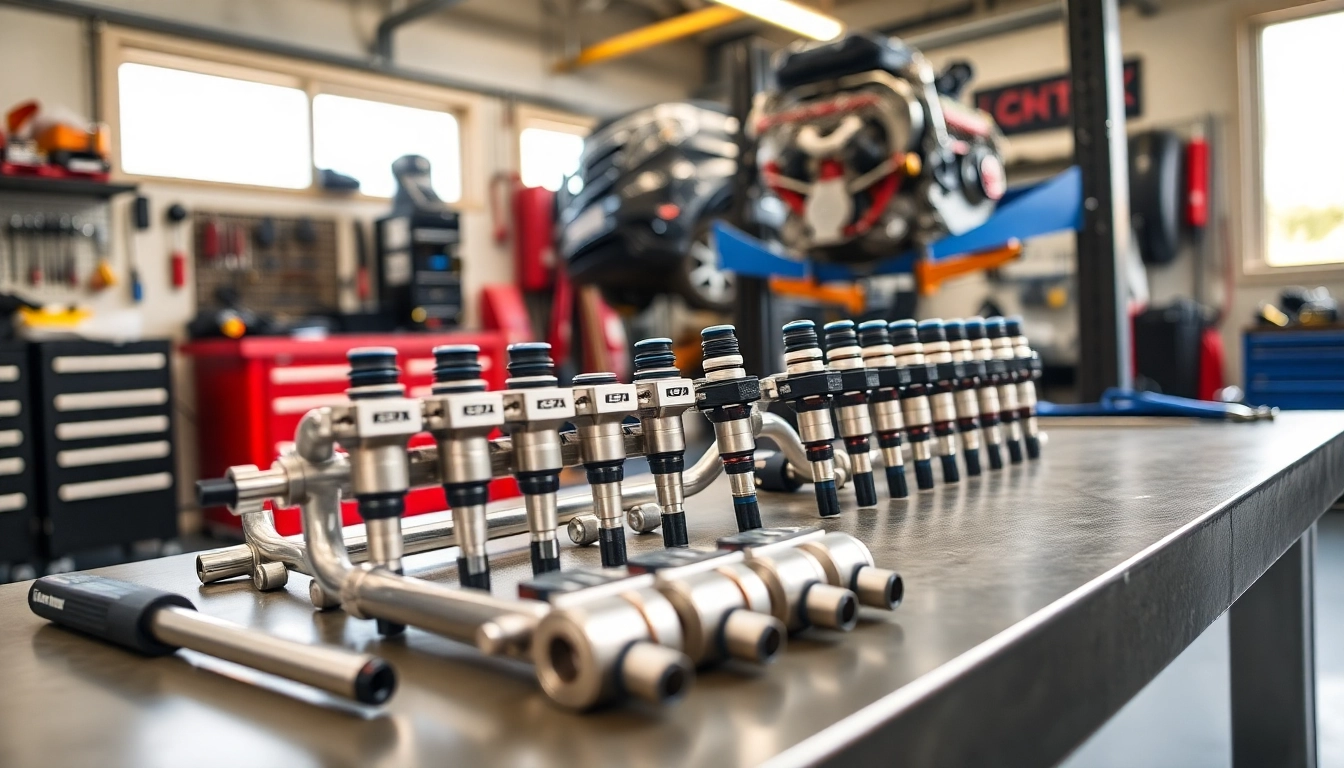
Restoration experts can bring a classic car back to its former glory, but finding reliable professionals can be challenging. Look for specialists with a reputable track record in classic car restoration who understand the nuances and specific needs of vintage vehicles.
Utilizing recommendations from fellow enthusiasts, attending classic car shows, and exploring automotive forums can lead to trustworthy contacts. Always verify references and past works to ensure the restoration will meet expectations.
Common Restoration Projects
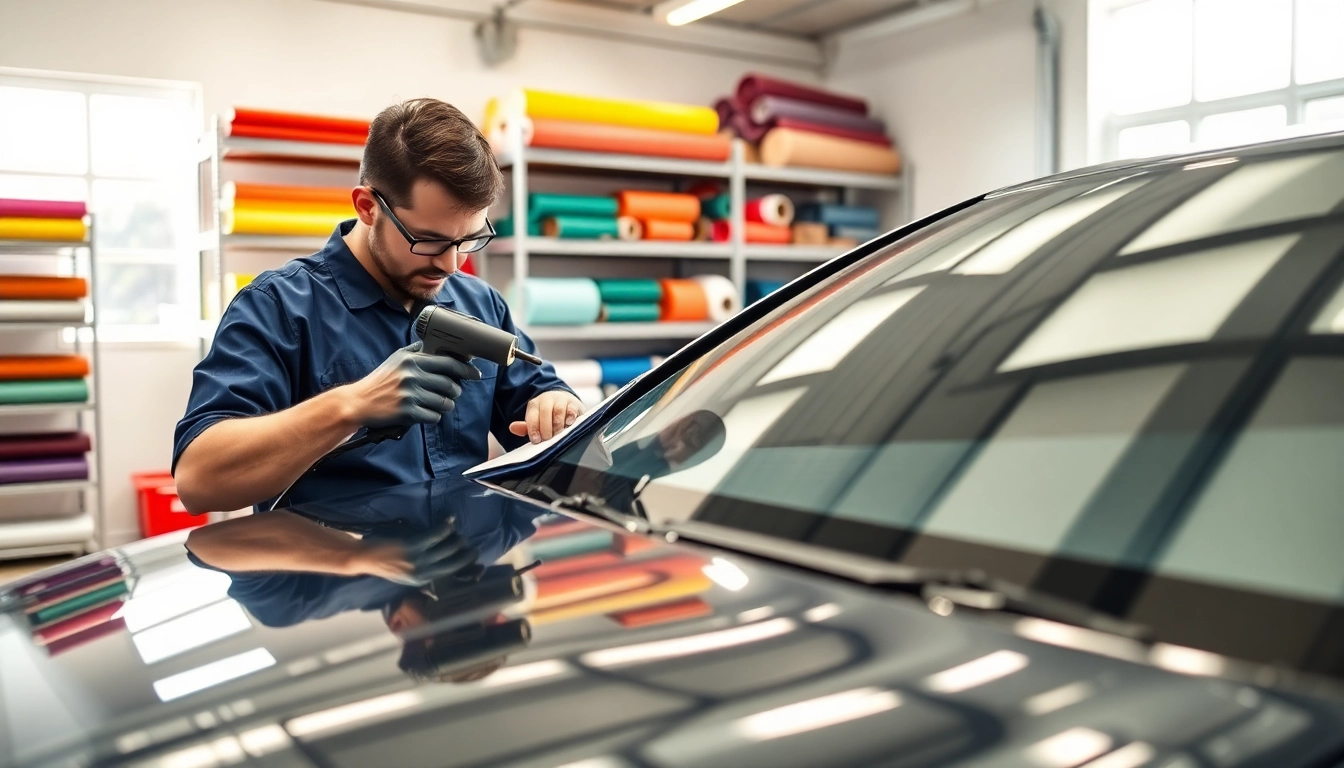
Classic car restoration can range from cosmetic touch-ups to full restorations. Common projects might include bodywork repairs, engine overhauls, and interior refinishing. Prioritizing parts with proven authenticity preserves the vehicle’s value and enhances its historical significance.
Given the complexities involved, setting clear goals for the restoration, including budget considerations and desired outcome, is advisable. Engaging with professionals or knowledgeable enthusiasts can help guide these decisions effectively.
Events and Communities for PRA Classic Cars Enthusiasts
Joining Classic Car Clubs
Classic car clubs provide a sense of community and offer numerous benefits for members. These clubs often arrange meetups, workshops, and social events that facilitate networking and sharing of restoration experiences. Through membership, individuals can access a wealth of knowledge and resources from seasoned enthusiasts.
Moreover, clubs often host events that celebrate vehicle ownership, such as local exhibits, rallies, and group drives, solidifying bonds within the classic car community.
Participating in Car Shows and Rallies
Car shows and rallies are excellent opportunities for classic car owners to showcase their vehicles, connect with other enthusiasts, and gain exposure to industry trends. Attending these events often involves discussions about maintenance, modifications, and the history behind specific models.
Participating not only celebrates automotive history but also provides platforms for sharing knowledge and generating excitement around classic automobiles.
Online Communities and Forums
The online world has revolutionized how classic car enthusiasts connect and share information. Online forums and social media platforms feature discussions about everything from restoration tips to market insights. Joining these communities allows owners and enthusiasts to seek advice, share experiences, and stay updated on upcoming events or auctions.
Additionally, these platforms can facilitate connections with potential buyers or sellers, making it easier to engage in the classic car market.
The Future of PRA Classic Cars
Trends in Classic Car Ownership
Classic car ownership is evolving, driven by shifting demographics and consumer preferences. Younger generations are increasingly showing interest in classic vehicles for both nostalgia and investment opportunities. This trend has made vintage cars more accessible, with online platforms providing dedicated marketplaces for buying and selling.
As technology improves, the tools and resources available for classic car enthusiasts will likely expand, making ownership easier and more rewarding.
Sustainable Practices in Restoration
With growing environmental awareness, sustainable restoration practices are becoming essential. This includes sourcing eco-friendly parts and materials, as well as methods that minimize waste. Many enthusiasts seek to restore cars while maintaining a balance with environmental responsibility, promoting a future that respects both heritage and nature.
Utilizing recyclable materials and employing sustainable solutions during restorations benefits the environment and enhances the car’s appeal for eco-conscious buyers.
The Impact of Technology on Classic Cars
Technology continues to shape all aspects of classic car ownership. From advanced diagnostics to modern communications, tech innovations are enhancing how enthusiasts experience their vehicles. Many classic car owners are integrating modern technology, such as GPS systems and performance upgrades, alongside preserving original features, creating a unique blend of past and present.
Furthermore, advancements in e-commerce allow buyers to access rare parts and engage in market shifts, ensuring the classic car market remains vibrant and evolving.
FAQs
What are the benefits of owning a classic car?
Owning a classic car offers numerous benefits, including potential investment appreciation, access to a charming community of enthusiasts, and the joy of preserving automotive history.
How do I determine the value of a classic car?
The value of a classic car can be determined through appraisals by professionals, studying market trends, and assessing the vehicle’s condition, rarity, and historical significance.
What should I look for when buying a classic car?
Look for indicators of authenticity, overall condition, maintenance history, and any restoration documentation. Verify the vehicle’s provenance to ensure its value.
How can I store my classic car properly?
Store classic cars in a climate-controlled environment to prevent rust and damage. Regular maintenance checks should also be conducted during storage to maintain vehicle integrity.
What are common restoration projects for classic cars?
Common restoration projects include engine overhauls, bodywork and paint refinishing, and interior refurbishments. Prioritizing quality parts and craftsmanship can enhance the restoration outcome.