
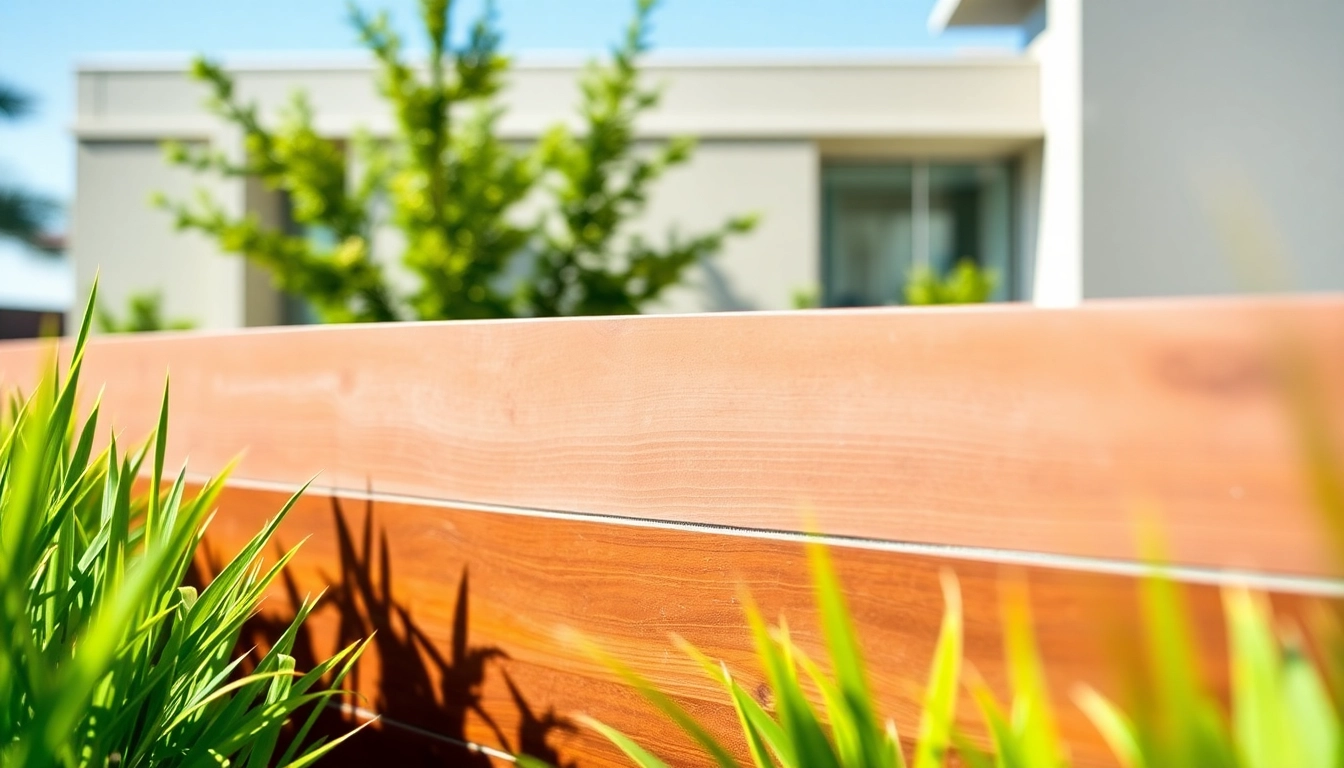
Understanding Composite Wall Panels
What Are Composite Wall Panels?
Composite wall panels are advanced building materials designed for both structural integrity and aesthetic appeal. These panels are constructed from a combination of two or more materials, typically incorporating wood fibers and recycled plastics. This unique composition allows for a product that is incredibly durable, versatile, and visually appealing, making composite wall panels ideal for various applications ranging from residential homes to commercial complexes. You can explore numerous designs and selections of Composite Wall Panels.
Components of Composite Wall Panels
The components of composite wall panels can vary, but they typically include:
- Core Material: The core is often made of plastic, wood fibers, or mineral-filled materials that provide structural support.
- Face Sheets: These are the outer layers that can be made from materials like aluminum, steel, or high-density polyethylene, providing weather resistance and aesthetic options.
- Adhesives: Advanced bonding agents are used to combine the core with the face sheets, ensuring the panels remain sturdy and resistant to delamination.
Applications of Composite Wall Panels
Composite wall panels are suitable for a variety of applications including:
- Residential Construction: Used for both interior and exterior walls to enhance architectural beauty while providing insulation.
- Commercial Settings: Ideal for office buildings, shopping centers, and warehouses due to their durability and design versatility.
- Industrial Uses: Often employed in facilities requiring robust materials that can withstand harsh environments.
Benefits of Composite Wall Panels
Durability and Longevity
Composite wall panels are engineered for high performance; they resist warping, cracking, and fading under various environmental conditions. Their durability ensures a long lifespan, reducing the need for frequent replacements and repairs. In climates with extreme weather, the resilience of these panels translates to significant cost savings over time.
Low Maintenance Requirements
One of the significant advantages of composite wall panels is their low maintenance requirement. Unlike traditional materials such as wood that may require regular treatments to prevent decay, composite panels only need periodic cleaning to maintain their appearance. This ease of maintenance is particularly beneficial for property owners looking to minimize upkeep costs.
Environmental Considerations
Many composite wall panels are made from recycled materials, which helps reduce waste and the use of virgin resources. Additionally, their energy-efficient properties contribute to lower heating and cooling costs. Choosing eco-friendly materials promotes sustainability, aligning with the growing demand for environmentally responsible building practices.
Selecting the Right Composite Wall Panels
Factors to Consider
When selecting composite wall panels, consider the following factors:
- Performance Specifications: Assess the fire rating, moisture resistance, and insulation properties according to local building codes.
- Aesthetic Preferences: Different finishes, colors, and textures can greatly enhance the visual appeal of a project.
- Environmental Impact: Look for certified eco-friendly options that contribute to green building standards.
Design Options Available
Composite wall panels come in a myriad of design options, catering to different stylistic needs. They can mimic natural materials like wood or stone while offering a more uniform appearance. The versatility allows designers to create cohesive exterior and interior designs that harmonize with the overall architectural vision.
Cost Analysis and Budgeting
Cost is a critical consideration in selecting composite wall panels. Generally, they can be more affordable than traditional materials over the long run due to their durability and low maintenance. A thorough cost analysis should include initial purchase prices, installation costs, and potential savings from reduced upkeep. Seeking quotes from multiple suppliers can help ensure a balanced budget.
Installation of Composite Wall Panels
Preparation for Installation
Preparing for installation involves several key steps:
- Site Assessment: Evaluate the working area for any potential issues, such as uneven surfaces or moisture problems.
- Material Inspection: Ensure all panels are in good condition and free from defects.
- Gathering Tools and Equipment: Common tools required include a level, measuring tape, saw, and fastening devices.
Step-by-Step Installation Guide
Follow these steps for installing composite wall panels:
- Measure and Plan: Plan the layout by measuring the area and determining how many panels are needed.
- Cut Panels to Size: Use a proper cutting tool to modify panels to fit your specific measurements.
- Install Furring Strips: Attach furring strips to the wall as a base support for the panels.
- Secure Panels: Begin fastening panels from one end, ensuring each panel is level and perfectly aligned.
- Sealing Joints: After installation, seal any joints with an appropriate caulking compound to prevent moisture ingress.
Post-Installation Care
Once the panels are installed, ongoing care includes occasional inspections for damage or wear. Cleaning with mild soap and water is recommended to prevent dirt buildup. It’s essential to address any issues promptly to maintain the panels’ aesthetic and functional integrity.
Frequently Asked Questions
What is the lifespan of composite wall panels?
The lifespan of composite wall panels can vary widely, but they typically last between 20 to 50 years depending on the environment and maintenance practices.
Are composite wall panels waterproof?
Yes, most composite wall panels are designed to be waterproof, making them suitable for both interior and exterior applications.
Can composite wall panels be painted?
Yes, composite wall panels can be painted. However, it’s essential to use the correct type of paint suitable for the panel material to ensure adhesion and durability.
How do I clean my composite wall panels?
Cleaning composite wall panels is simple. Use mild soapy water and a soft cloth or sponge, avoiding abrasive cleaners that may damage the surface.
What makes composite wall panels eco-friendly?
Composite wall panels are eco-friendly as they often consist of recycled materials, are energy-efficient, and reduce the need for frequent replacements, promoting sustainable practices.