
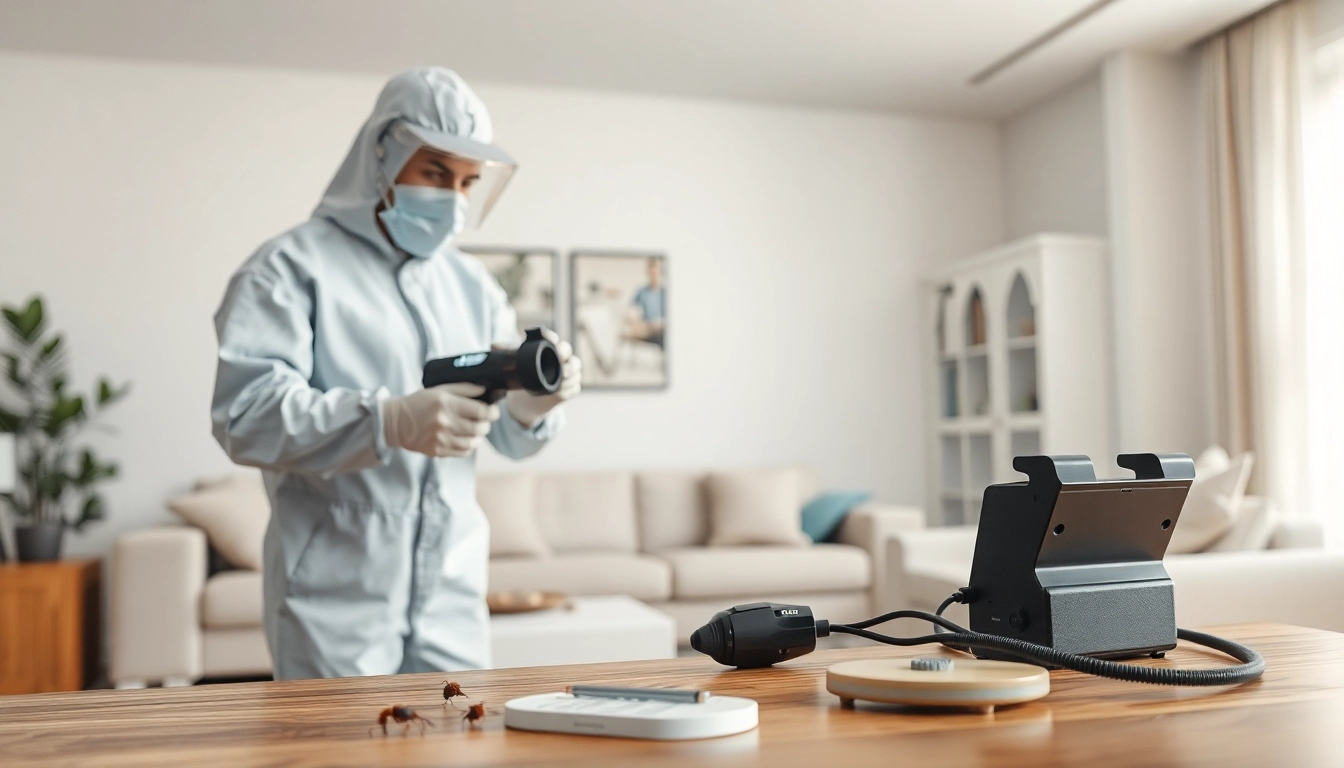
Understanding Bed Bugs and Infestations
Bed bugs are nocturnal parasites that feed on the blood of humans and animals, primarily during the night. Their bites can cause itching, discomfort, and can lead to secondary infections. Understanding these pests and the potential for infestations is crucial for effective prevention and control. If you’re dealing with a bed bug issue, consulting a reliable bed bug exterminator can be invaluable.
What Are Bed Bugs?
Bed bugs are small, brownish insects that belong to the Cimex lectularius species. Adults usually grow to about 4-5 mm in length, resembling an apple seed in shape. These insects are adept at hiding in various locations within homes, including mattresses, bed frames, furniture seams, and even inside electrical outlets. They reproduce quickly, with females laying hundreds of eggs in their lifetime, leading to rapid population growth if not controlled.
Signs of Infestation
Recognizing the signs of a bed bug infestation early is essential for effective control. Common indications include:
- Bitten Areas: Red, itchy welts on your skin, typically in a linear or clustered pattern.
- Blood Stains: Small blood spots on sheets or mattresses from crushed bugs.
- Dark Spots: Fecal matter left behind by bed bugs, often found on bedding or walls.
- Shells: Exoskeletons left behind after bed bugs molt.
- Musty Odor: A distinct smell from their scent glands, often described as sweet or musty.
Health Risks Associated with Bed Bugs
While bed bugs are not known to transmit diseases, their presence can still pose health risks. The most immediate concern is allergic reactions to bites, leading to intense itching and scratching, which can cause secondary infections. Stress and anxiety related to infestations can also affect mental health, leading to sleepless nights and reduced quality of life.
Choosing a Bed Bug Exterminator
Selecting a qualified bed bug exterminator is a critical step in managing an infestation. It’s important to consider several factors to ensure effective treatment.
Factors to Consider
When choosing a bed bug exterminator, keep the following factors in mind:
- Experience: Look for companies with extensive experience in dealing with bed bugs specifically.
- Methods Used: Inquire whether they use chemical treatments, heat methods, or a combination of both.
- Reputation: Check online reviews and ratings from previous clients to gauge effectiveness and customer service.
- Guarantees: Ensure they offer post-treatment guarantees or follow-up services to confirm the infestation is fully under control.
Questions to Ask Your Exterminator
- What methods will you use for extermination?
- How long will the treatment take, and how many sessions will be required?
- Are the treatments safe for children and pets?
- Do you provide a written estimate and guarantee?
- What preparatory steps should I take before treatment?
Importance of Qualifications and Reviews
The qualifications of a bed bug exterminator can significantly impact the outcome of the treatment. Ensure the company is licensed and certified to operate in your area, as this reflects adherence to industry standards. Online reviews and testimonials provide insights into the company’s reliability and effectiveness, guiding your decision-making process.
Methods of Bed Bug Extermination
There are various methods for exterminating bed bugs, each with its pros and cons. Understanding these methods can help you determine which is best for your situation.
Heat Treatment vs. Chemical Treatment
Heat treatment is a highly effective method that involves raising the temperature of infested areas to a level that kills all life stages of bed bugs. It is chemical-free, making it safe for households with children and pets. However, it requires specialized equipment and can be more expensive than chemical treatments.
On the other hand, chemical treatments involve the application of insecticides to areas infested by bed bugs. While these can be effective, some bed bugs have developed resistance to certain chemicals, making it critical to choose the right products and techniques. A combination of both methods often yields the best results.
DIY Methods: Pros and Cons
DIY bed bug treatments are often sought after due to their cost-effectiveness, but they come with various challenges. Some popular DIY methods include vacuuming, steaming, and using diatomaceous earth.
While these methods can help reduce bed bug numbers temporarily, they often fail to eliminate the infestation fully. Moreover, some homeowners may inadvertently spread the infestation further when attempting DIY solutions without proper knowledge and tools. Thus, consulting a professional bed bug exterminator remains essential for comprehensive eradication.
Eco-Friendly Extermination Options
As awareness of environmental safety grows, demand for eco-friendly extermination methods has increased. Some exterminators now offer organic insecticides made from natural substances, and heat treatments that do not involve harmful chemicals. These options are effective for those concerned about the ecological impact of traditional pest control methods.
Preventing Future Infestations
After successfully exterminating bed bugs, prevention is key to avoiding future infestations. Here are some best practices to follow.
Best Practices for Homeowners
Homeowners can take advantage of various strategies to make their living spaces less hospitable for bed bugs:
- Regular Cleaning: Vacuum frequently, especially in and around mattresses, beds, and furniture.
- Seal Cracks: Inspect and seal cracks in walls, baseboards, and furniture where bed bugs may hide.
- Wash Bedding: Wash and heat-dry all sheets and blankets regularly to eliminate eggs and bugs.
- Use Protective Covers: Encasing mattresses and box springs in protective covers can prevent bed bugs from taking up residence.
Travel Tips to Avoid Bed Bugs
Travelers should be cautious, as hotels and hostels can be breeding grounds for bed bugs. Here are essential tips to minimize risk:
- Inspect Accommodations: Before settling in, check the bed and surrounding areas for signs of bed bugs.
- Keep Luggage Off the Floor: Use luggage racks or place bags on hard surfaces rather than beds or carpeting.
- Change Clothes Promptly: After returning from a trip, immediately wash travel clothing with hot water.
Regular Inspections for Peace of Mind
Incorporating regular pest inspections into your home routine can lead to early detection of bed bugs. Many exterminators offer monthly or bi-monthly inspections, providing peace of mind and ensuring that any potential infestations are addressed quickly before they become significant issues.
Cost Considerations for Bed Bug Extermination
The cost of hiring a bed bug exterminator can vary significantly based on several factors, including the severity of the infestation, the treatment methods used, and the square footage of the home.
Understanding Pricing Models
Most exterminators charge based on the size of the infestation and the treatment type. Heat treatments may incur higher costs due to equipment requirements, while chemical treatments can vary widely depending on the products used. A good first step is to acquire multiple quotes to understand the average costs in your area.
Insurance Coverage and Assistance Programs
Homeowners should check with their insurance providers to see if pest control services are covered. Some assistance programs may also be available, particularly for low-income households, helping to alleviate the financial burden of professional extermination.
Free Estimates and Budgeting for Services
Many reputable exterminators offer free estimates, allowing homeowners to gauge affordability before commitment. Budgeting for extermination services should also consider possible follow-up treatments, inspections, and preventative measures, ensuring a comprehensive approach to pest management.
FAQs
1. How long does it take to eliminate bed bugs?
The timeframe can vary based on the infestation size and selected treatment method, typically taking one to three treatments over several weeks.
2. Can I treat bed bugs myself?
While DIY methods can reduce bed bug numbers, they often do not eliminate infestations completely. Consulting a professional is advisable for best results.
3. Are bed bugs dangerous to my health?
Bed bugs are not known to transmit diseases, but their bites can lead to allergic reactions and stress, affecting mental well-being.
4. How can I prevent future infestations?
Regular cleaning, sealing cracks, and being cautious while traveling can significantly reduce the risk of bed bug re-infestation.
5. Are there eco-friendly extermination options?
Yes, many exterminators now offer eco-friendly treatments, including organic insecticides and heat treatments that do not involve harmful chemicals.