
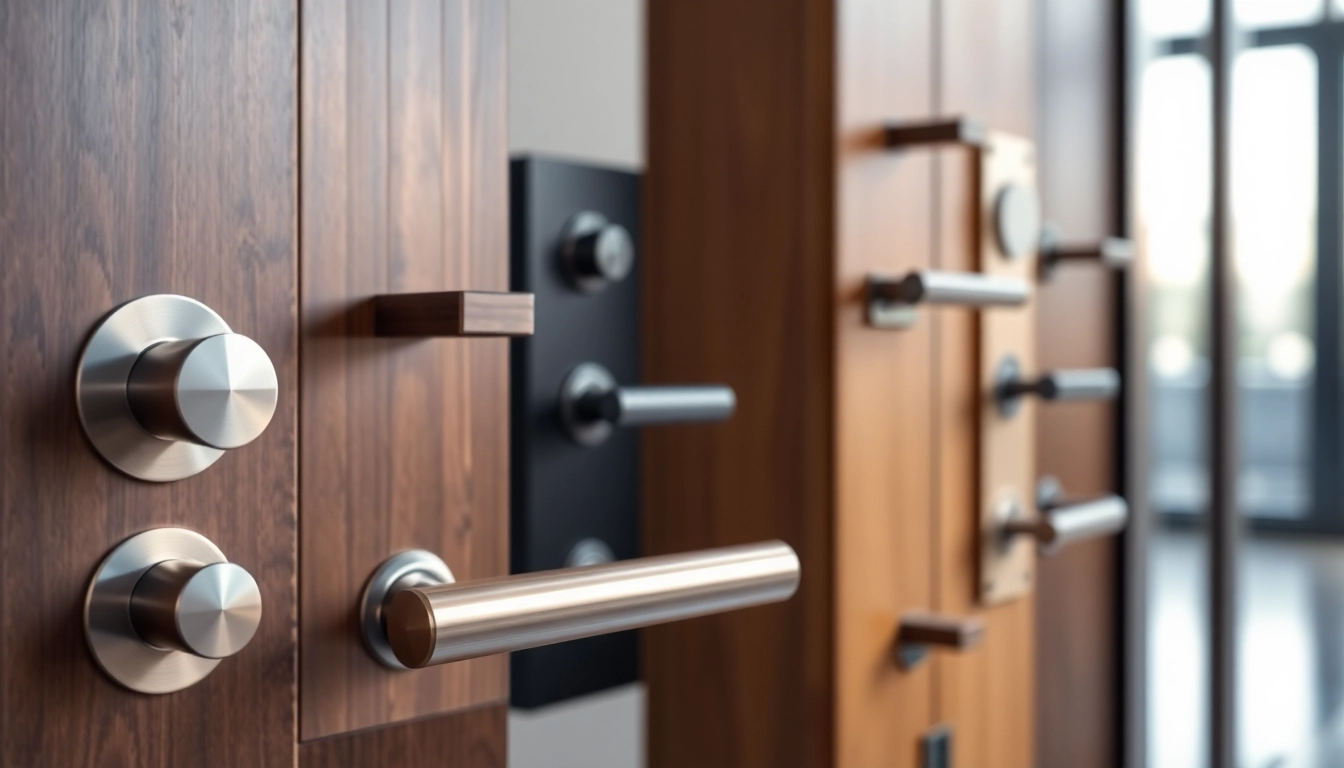
Introduction to Door Handle Varieties
When it comes to selecting the right door handle for your home, understanding the myriad options available is essential. A door handle isn’t just a functional component; it plays a significant role in your home’s design, security, and accessibility. This article will explore the various types of door handles, key features to consider, popular materials and finishes, and how they integrate into interior design, installation, and maintaining them for longevity.
Understanding Door Handle Types
Door handles come in various types, each serving unique purposes and styles. To make an informed choice, understanding these different types is crucial:
- Lever Handles: These are widely used in both residential and commercial settings. Lever handles are operated with minimal effort and are available in a variety of designs, making them ideal for accessibility purposes.
- Knob Handles: Typically round, knob handles are a classic choice and are not as accessible as lever handles due to the grip requirement. They come in many designs that can complement traditional architecture beautifully.
- Pull Handles: Commonly used on cabinet doors or sliding doors, pull handles offer a sleek look and can vary from minimalistic to ornate.
- Electronic Handles: These modern door handles incorporate technology, allowing keyless entry through codes or smartphone apps, making them perfect for enhancing security.
- Mortise Handles: These require a pocket to be cut into the door for installation, offering better security and aesthetics due to their flush design.
Key Features to Consider
When choosing a door handle, several features should influence your decision:
- Security: Look for features like deadbolts or security latches that strengthen your home’s safety.
- Ease of Use: Consider handles that are easy to operate, especially for children or the elderly. Lever handles often offer better accessibility.
- Durability: Look for materials that can withstand wear and tear, especially for high-traffic areas.
- Design: Choose a style that complements your interior décor, ensuring that form meets function without compromising aesthetics.
- Finish: Consider the finish on your door handle, as this affects both the appearance and maintenance requirements. Popular finishes include chrome, brushed nickel, brass, and oil-rubbed bronze.
Popular Materials and Finishes
The choice of materials and finishes can significantly impact the overall appearance and functionality of a door handle. Here are some popular options:
- Brass: Known for its strength and corrosion resistance, brass handles can enhance any door’s aesthetics and are often available in various tarnished finishes.
- Stainless Steel: Renowned for its durability and modern appearance, stainless steel is ideal for contemporary settings and is resistant to rust and stains.
- Aluminum: Lightweight and available in various colors, aluminum is increasingly popular for modern homes due to its versatility.
- Bronze: Offering a rustic and sophisticated look, bronze handles develop a patina over time, enhancing their vintage appeal.
- Plastic: While often less durable than metal options, plastic handles can be an economical choice for specific applications, such as interior doors in less frequently used spaces.
Importance of Door Handles in Interior Design
While the primary function of a door handle is practical, it also holds significant relevance in terms of interior design. A well-chosen door handle can tie a room together, reflecting the home’s overall style and enhancing its aesthetic appeal.
Enhancing Aesthetics with the Right Door Handle
The striking visual impact of door handles cannot be overstated. These small fixtures can serve as focal points in a room:
- Lever handles with ornate designs can transform a simple door into a grand entrance.
- Contrasting finishes can create a statement; for example, a shiny chrome handle on a wooden door can highlight both elements beautifully.
- Custom designs or artisan-made handles can reflect personal style and craftsmanship, making the entrances unique.
How Door Handles Affect Functionality
The functionality of a door handle goes beyond mere aesthetics. It affects usability:
- Handles that are difficult to grip can create accessibility issues, particularly for children, elderly, or differently-abled individuals.
- Choosing the right handle can influence traffic flow; for instance, lever handles can be operated with an arm or elbow, useful in busy areas.
- Handles with locking mechanisms enhance security, making safety a functional aspect of your design choice.
Color Schemes and Door Handles
Integrating your door handles seamlessly into your color schemes can further enhance your interiors:
- Neutral finishes like brushed nickel can blend into many decors, providing a versatile choice.
- Bold colors can act as accent pieces; for example, a bright red door handle can bring vibrancy to an otherwise neutral palette.
- Consider how different finishes interact with natural light; polished surfaces reflect light differently than matte finishes, impacting the overall ambiance of a space.
Installation Tips for Door Handles
Installing a door handle may seem daunting, but with the right tools and guidance, it is an achievable DIY task. This section will outline essential tools and a step-by-step installation guide.
Essential Tools and Materials Needed
Before starting the installation of your door handle, gather the necessary tools:
- Drill with drill bits
- Screwdriver (flathead and Phillips)
- Measuring tape
- Wood chisel (if installing a mortise handle)
- Level for ensuring straight installation
- Pencil for marking locations
Step-by-Step Installation Guide
Here’s a straightforward guide for installing a door handle:
- Remove the Old Handle: If replacing an existing handle, dismantle it by unscrewing it carefully.
- Measure and Mark: Position the new handle on the door and mark where it needs to be installed.
- Drill Necessary Holes: Depending on your handle type, drill the appropriate holes, ensuring they are in line and level.
- Install the Handle: Align the handle with the drilled holes and secure using appropriate screws. If it’s a mortise handle, ensure it fits flush.
- Test the Handle: After installation, check that it operates smoothly and the locking mechanism functions correctly.
Common Mistakes to Avoid
Although installing a door handle is manageable, homeowners often make a few frequent errors. Avoid these common pitfalls:
- Neglecting to measure properly can lead to misaligned or poorly-fitted handles.
- Using incorrect screws can compromise stability and security.
- Failing to test the handle before securing all screws may result in needing to disassemble the handle again for adjustments.
Maintaining Your Door Handle
Proper maintenance of your door handle can prolong its life and functionality. The following sections provide guidelines for cleaning, repairing, and knowing when it’s time to replace your door handle.
Cleaning Different Materials
Maintenance routines vary based on material type:
- Brass: Clean with a soft cloth and brass cleaner to maintain shine, but avoid harsh chemicals that can tarnish.
- Stainless Steel: Wipe down with a damp cloth and mild soap; drying is essential to prevent water spots.
- Bronze: Patina can be preserved by using a soft cloth; avoid scraping the surface to maintain its unique look.
- Plastic: Simple soap and water will usually suffice for cleaning.
Repairing Minor Damages
Minor damages, like scratches or loose screws, can be easily fixed:
- Slight scratches on metal finishes can often be buffed out using appropriate metal polish.
- If screws become loose, retightening them can restore function without needing to replace the handle.
- For tarnished finishes, applying a metal-friendly cleaner can often restore a surface’s luster.
When to Replace Your Door Handle
Knowing when to replace your door handle is key to maintaining overall security and aesthetics:
- Visible signs of wear, such as peeling or significant rust, can indicate it’s time for a replacement.
- If the handle feels loose or doesn’t function well, it may need replacement for safety and usability.
- In the case of outdated designs that no longer fit your home’s style, consider an upgrade to enhance your interiors.
FAQs about Door Handles
What is the most popular material for door handles?
Brass and stainless steel are common choices due to their durability and aesthetic appeal.
How often should door handles be replaced?
It’s recommended to inspect annually and replace them when signs of wear or damage appear.
Can I install a door handle myself?
Yes, with basic tools and a guide, most homeowners can install a door handle successfully.
How do I choose the right style for my home?
Consider your home’s architecture and decor. Cohesion between the door handle and style is key.
What maintenance do door handles require?
Regular cleaning and occasional lubrication will keep door handles functioning smoothly.