
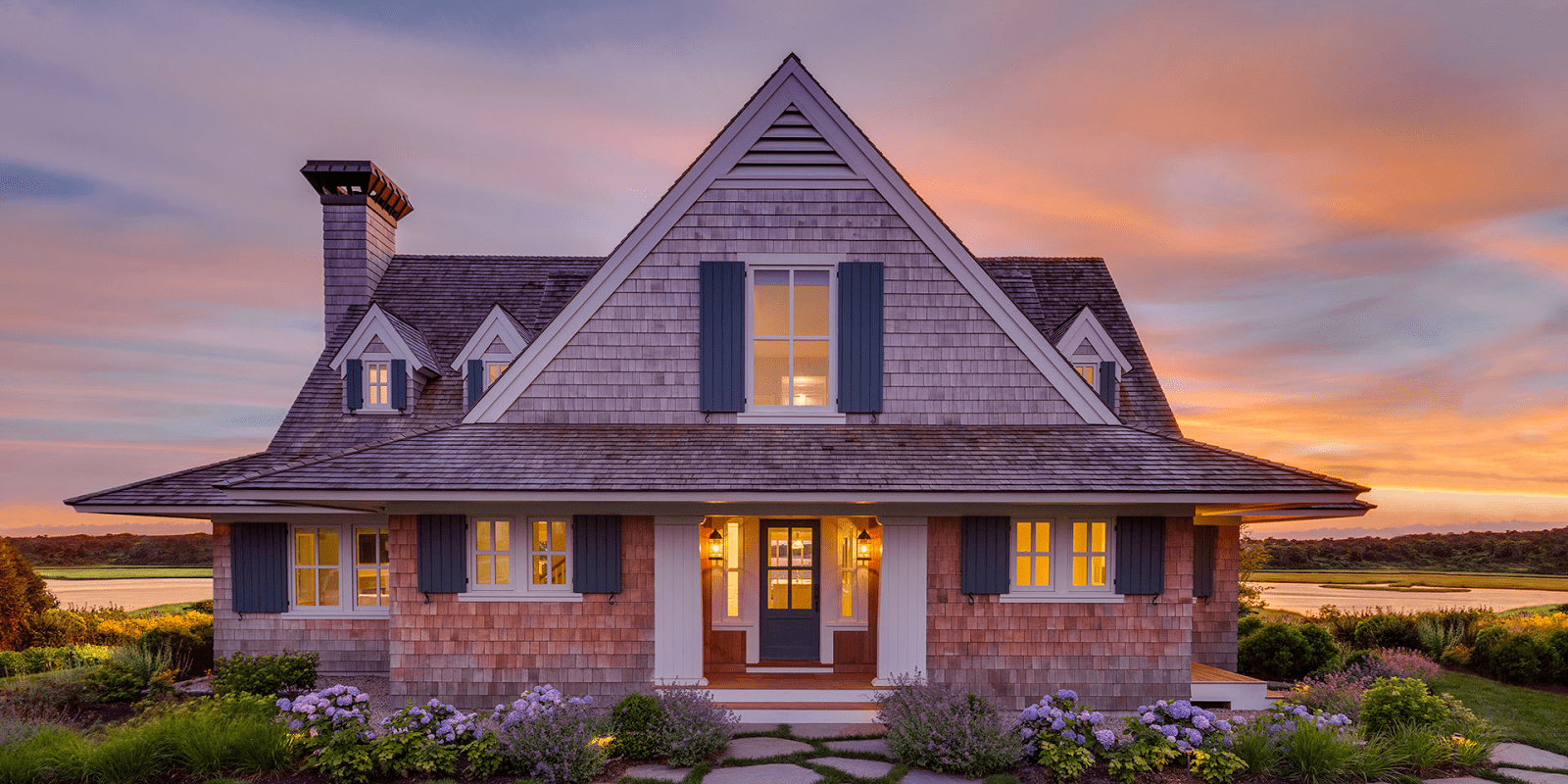
Designing a home that grows with a family is always a challenge, especially when that home is a Cape Cod Home. Known for its cozy proportions and classic appeal, the Cape cod home was not originally designed for busy modern households. With thoughtful planning and smart design choices, however, it can become a flexible, comfortable space that supports growing families without sacrificing charm.
- Why Growing Families Love the Cape Cod Home
- Planning for Change From the Start
- Creating Better Flow for Family Life
- Expanding Bedrooms and Private Spaces
- Family-Friendly Kitchen Design
- Storage Solutions for Busy Households
- Adding Space the Right Way
- Outdoor Connections for Family Living
- Safety and Comfort Considerations
- The Role of an Architect in Family-Focused Design
- Avoiding Overbuilding
- Conclusion: A Cape Cod Home That Grows With Your Family
Why Growing Families Love the Cape Cod Home
A Cape Cod Home offers warmth, familiarity, and timeless character. Its human-scale rooms and simple layouts create a sense of comfort that many families value. As needs change, the goal is not to replace these qualities but to adapt them in ways that support daily life, togetherness, and privacy.
Planning for Change From the Start
Families evolve quickly, and a Cape Cod Home should be able to adapt just as easily. Design decisions made today should anticipate future needs, whether that means additional bedrooms, homework zones, or flexible gathering spaces.
Designing Rooms With Multiple Uses
Multi-purpose rooms are especially valuable in a Cape Cod Home. A guest room that doubles as a playroom or office allows the home to shift as children grow. This flexibility reduces the need for constant renovations over time.
Creating Better Flow for Family Life
Many traditional layouts in a Cape Cod Home feel compartmentalized, which can make family life feel disconnected. Improving flow helps parents keep an eye on children while still maintaining defined spaces.
Selective Openings Instead of Open Plans
Rather than removing all walls, selective openings help a Cape Cod Home feel connected without losing its cozy structure. Wider doorways and aligned sightlines improve communication and movement while preserving character.
Expanding Bedrooms and Private Spaces
As families grow, so does the need for private space. Bedrooms in a Cape Cod Home are often smaller than modern standards, but thoughtful design can make them more functional.
Making the Most of the Second Floor
Dormers and reconfigured layouts can dramatically improve bedroom comfort in a Cape Cod Home. Added headroom and natural light create spaces that feel generous without changing the home’s overall scale.
Family-Friendly Kitchen Design
The kitchen is the heart of family life, and in many older homes, the kitchen in a Cape Cod Home feels isolated or undersized. Updating this space can transform how the family uses the home.
Kitchens That Connect, Not Overwhelm
Opening the kitchen to adjacent spaces allows a Cape Cod Home to support modern routines like shared meals and homework time. Careful attention to scale ensures the kitchen feels integrated rather than oversized.
Storage Solutions for Busy Households
Growing families need storage, and a Cape Cod Home often lacks closets and built-ins. Without smart solutions, clutter can quickly take over.
Built-In Storage That Feels Original
Custom cabinetry, window seats with storage, and under-stair solutions provide practical storage while blending seamlessly into the Cape Cod Home. These features support family life without visual chaos.
Adding Space the Right Way
Sometimes, interior changes aren’t enough, and additional square footage becomes necessary. The challenge is expanding a Cape Cod Home without overwhelming its simple form.
Rear and Side Additions for Families
Rear and side additions allow a Cape Cod Home to grow discreetly. Family rooms, mudrooms, and expanded kitchens can be added while keeping the original street-facing appearance intact.
Outdoor Connections for Family Living
Connecting indoor and outdoor spaces adds valuable room for children to play and families to gather. Thoughtfully designed transitions make a Cape Cod Home feel larger and more livable.
Patios, screened porches, and backyard access points extend daily living without altering the home’s core architecture.
Safety and Comfort Considerations
Family-friendly design also means addressing safety and comfort. Improved lighting, better stair design, and durable materials all contribute to a more functional Cape Cod Home.
Modern mechanical systems and insulation upgrades improve year-round comfort, making the home more enjoyable for every family member.
The Role of an Architect in Family-Focused Design
Designing for a growing family requires foresight and balance. An architect helps homeowners prioritize needs while preserving the integrity of a Cape Cod Home.
Keri Murray Architecture works closely with families to design Cape Cod Home solutions that support daily routines, future growth, and long-term value.
Avoiding Overbuilding
One common mistake is expanding too much, too quickly. Oversized additions can make a Cape Cod Home feel unbalanced and less welcoming.
Thoughtful restraint ensures the home remains comfortable, functional, and true to its original character.
Conclusion: A Cape Cod Home That Grows With Your Family
With smart planning and thoughtful design, a Cape Cod Home can adapt beautifully to the needs of a growing family. By improving layouts, adding flexible spaces, and expanding with care, families can enjoy modern comfort without losing timeless charm. A well-designed Cape Cod Home proves that classic architecture and family-friendly living can evolve together, creating a home that supports every stage of life.