
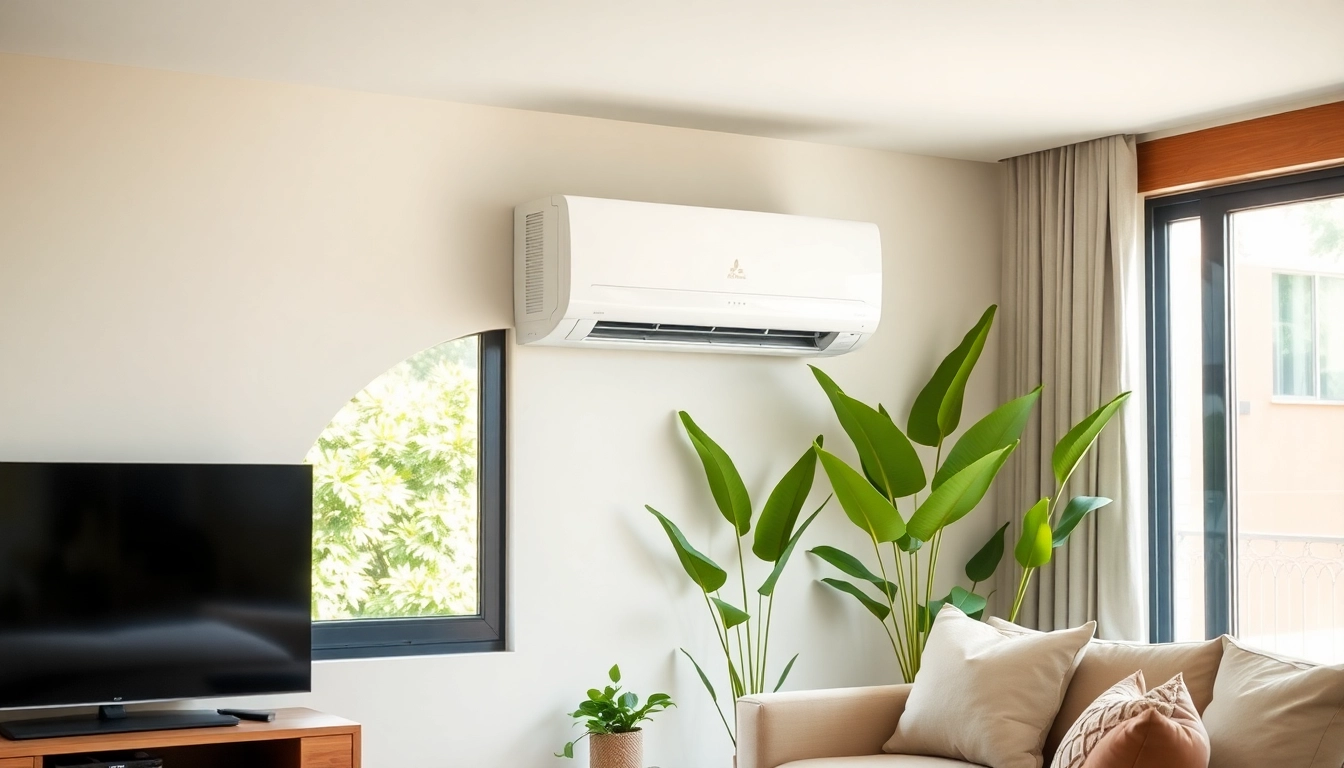
Understanding Mitsubishi Mini Split AC Systems
What is a Mitsubishi Mini Split AC?
The mitsubishi mini split ac is an advanced air conditioning solution designed to provide efficient heating and cooling without the need for ductwork. These systems consist of an outdoor compressor unit and one or more indoor air-handling units, allowing for flexibility in installation and usage across different spaces. Known for their energy efficiency and comfort, mini split systems are increasingly popular among homeowners and businesses seeking to enhance indoor climate control.
Benefits of Mini Split AC Systems
Mitsubishi mini split AC systems offer a multitude of advantages. Here are some of the key benefits:
- Energy Efficiency: Mini splits operate using inverter technology, which allows them to adjust compressor speed based on the temperature needs, thereby reducing energy consumption and operating costs.
- Space-Saving Design: The lack of ductwork means less invasive installation and the ability to place indoor units where they are needed most.
- Zoning Capabilities: You can control the temperature in different rooms individually, ensuring maximum comfort and utility savings.
- Quiet Operation: Indoor units are designed to operate quietly, contributing to a more peaceful living or working environment.
- Flexible Installation: These systems can be installed in various configurations, making them suitable for a variety of spaces.
Key Features of Mitsubishi Mini Split AC
Mitsubishi mini split AC systems are equipped with several high-end features that enhance their performance:
- Inverter Technology: This energy-saving technology not only increases efficiency but also enhances comfort by avoiding temperature fluctuations.
- Remote Control: Most units come with an intuitive remote control, allowing users to modify settings and programming with ease.
- Advanced Air Filtration: This helps to improve indoor air quality by filtering out pollutants and allergens, contributing to a healthier living environment.
- Auto Restart Function: In case of power outages, the system automatically resumes its previous settings when power is restored.
- Smart Features: Many Mitsubishi models are compatible with smart home technology for remote monitoring and control via mobile apps.
Installation Process for Mitsubishi Mini Split AC
Preparing for Installation
Before installing a Mitsubishi mini split AC, several preparatory steps must be taken:
- Determine the cooling and heating capacity needed based on the size and layout of the room.
- Select an appropriate location for the outdoor and indoor units, ensuring adequate clearance and access for maintenance.
- Ensure you have the necessary tools at hand, including a stud finder, level, drill, and wrenches.
- Familiarize yourself with local building codes and permit requirements.
Step-by-Step Installation Guide
The installation process can typically be broken down into several key steps:
- Install the Mounting Bracket: Attach the mounting bracket to the wall where the indoor unit will be installed, using a level to ensure it is straight.
- Drill a Hole: Drill a hole through the wall for refrigerant lines, drain lines, and electrical wiring. Ensure that the hole has a slight downward slope for proper drainage.
- Mount the Indoor Unit: Connect the refrigerant lines and electrical connections to the indoor unit, then secure it to the wall.
- Install the Outdoor Unit: Place the outdoor unit on a flat, stable surface away from direct sunlight and high wind areas. Secure it with brackets or pads.
- Connect the Units: Connect the indoor and outdoor units using the refrigerant and electrical lines, ensuring all connections are made securely.
- Test the System: Turn on the system and check for proper operation, ensuring that all settings function correctly.
Common Installation Mistakes to Avoid
Successful installation requires diligence. Common mistakes to avoid include:
- Poor Location Choices: Avoid placing units in areas with excessive sunlight or where air circulation is hindered.
- Neglecting Insulation: Ensure that all lines and joints are insulated to maximize efficiency.
- Improper Sizing: Oversized or undersized units can lead to inefficiency and inconsistent temperatures.
- Not Following Electrical Codes: Adhere to all local electrical codes to prevent hazards or malfunctions.
Energy Efficiency and Cost Savings
How Mitsubishi Mini Split AC Saves Energy
Mitsubishi mini split AC systems are designed for maximized energy efficiency through several mechanisms:
- Variable Speed Compressors: By using inverter technology, these systems maintain consistent temperatures without the larger energy spikes associated with traditional units.
- Zone Control: By allowing users to cool specific rooms as needed, these units prevent wasted energy on unoccupied spaces.
- Eco-Friendly Refrigerants: Many models use refrigerants with a lower environmental impact to further promote energy savings.
Calculating Potential Savings
To determine potential savings from switching to a Mitsubishi mini split AC system, consider the following factors:
- Average energy consumption rates of your current system versus the Mitsubishi model.
- The utility rates in your area and how they compare to the energy savings realized.
- The expected lifespan of the unit to calculate long-term cost benefits.
Comparing Costs with Traditional Systems
While the initial purchase price of a Mitsubishi mini split AC system may be higher than traditional systems, the long-term savings can be significant. Consider the following:
- Lower operational costs due to advanced energy efficiency technologies.
- Reduced repair costs as mini splits often require less maintenance than traditional units.
- Potentially higher property values as energy-efficient systems are increasingly sought after by buyers.
Maintenance and Care for Your Mitsubishi Mini Split AC
Regular Maintenance Tips for Longevity
To ensure your Mitsubishi mini split AC operates efficiently, regular maintenance is crucial:
- Clean or replace air filters every month during heavy use periods to ensure optimal airflow.
- Inspect the outdoor unit for debris or obstructions that could impact performance.
- Schedule annual professional maintenance to check refrigerant levels, electrical connections, and system integrity.
How to Clean Your Mini Split AC
Caring for your mini split AC is relatively straightforward:
- Turn off the unit and disconnect power before starting any cleaning.
- Remove the front cover and clean the air filters using warm water or a vacuum.
- Use a soft cloth to clean the fins of the outdoor unit, being cautious not to bend them.
- Check and clean the drainage system to avoid blockages that may lead to water damage.
Signs Your System Needs Professional Service
Several warning signs indicate your Mitsubishi mini split AC may require professional intervention:
- Unusual noises during operation.
- Inconsistent cooling or heating performance.
- Increased energy bills without increased usage.
- Leaking fluids around the units.
FAQs About Mitsubishi Mini Split ACs
What size Mitsubishi Mini Split AC do I need?
The size needed depends on the area to be cooled, typically measured in BTUs. Consult a professional to calculate the ideal sizing for your space.
Can Mitsubishi Mini Split AC work in cold climates?
Yes, Mitsubishi mini splits are designed to operate efficiently in cold climates, with many models providing reliable heating even in low temperatures.
How noisy is a Mitsubishi Mini Split AC?
Most indoor units operate at very low noise levels, typically ranging from 19 to 30 decibels, comparable to a whisper or quiet library.
Is professional installation necessary?
While installation can be DIY, hiring a professional ensures proper setup, optimal performance, and compliance with local regulations.
What is the lifespan of a Mitsubishi Mini Split AC?
With proper maintenance, a Mitsubishi mini split AC can last 15 to 20 years, making it a long-term investment for comfort and efficiency.