
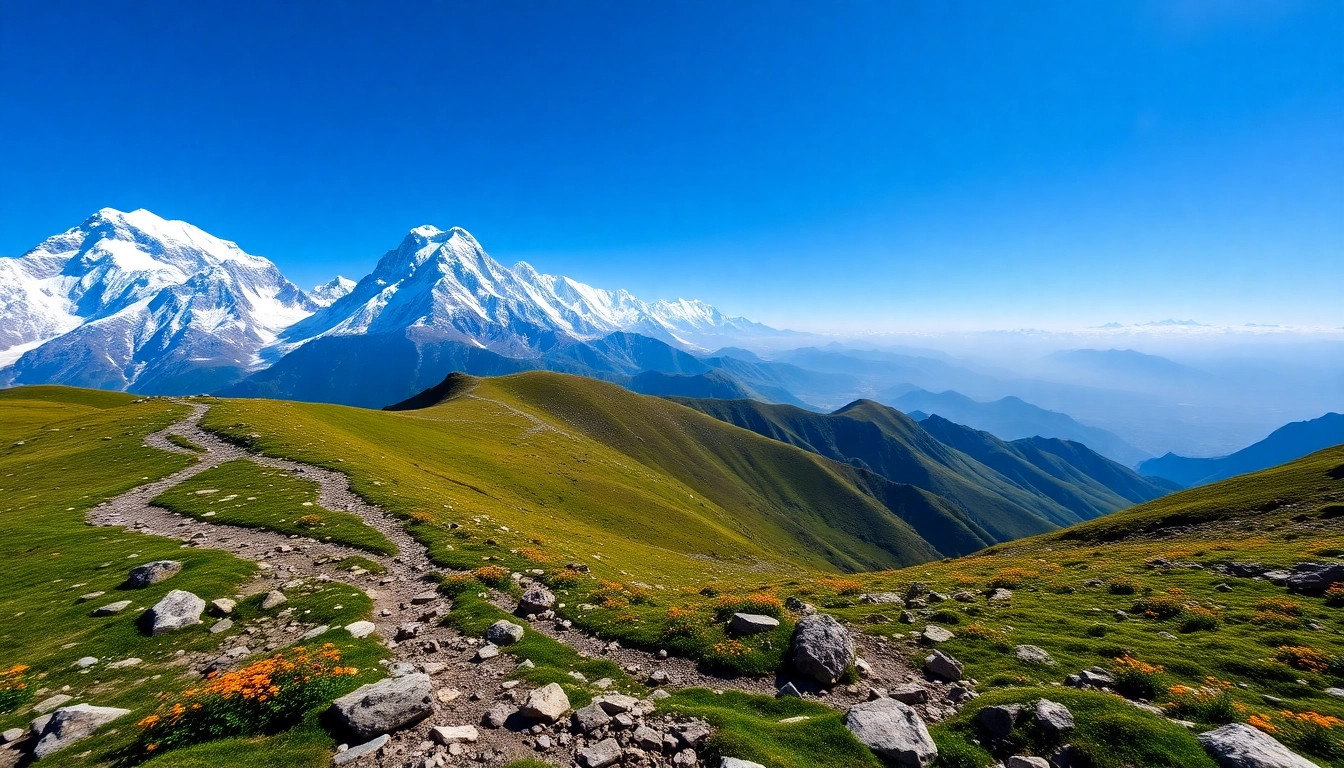
Introduction to Goechala Trek
Embarking on the goechala trek is not merely a trip through breathtaking landscapes but a profound journey that intertwines adventure, nature, and culture. Nestled in the state of Sikkim, India, this trek beckons those seeking to experience the grandeur of the Himalayas, specifically the majestic Kangchenjunga, the third highest peak in the world.
Overview of the Trek
The Goechala trek spans a challenging 90 kilometers, typically completed over 10 to 12 days. It offers a stellar vantage point to view the Kanchenjunga range and its surrounding peaks. Trekkers will encounter a variety of ecosystems, from rhododendron forests to alpine meadows and glacial terrains. The trek starts from Yuksom and ascends to Goechala pass, providing hikers with an unmatched experience of camaraderie with the mountains.
Historical Significance
Yuksom holds historical importance as it was the first capital of Sikkim and the site of the coronation of the first Chogyal (king). As trekkers walk through this pristine landscape, the traces of an ancient culture become apparent, making the Goechala trek not just a physical challenge but also a cultural exploration into the roots of Sikkimese heritage.
Best Time to Go
The optimal time for the Goechala trek is during the pre-monsoon months of March to May and post-monsoon months from September to November. During these periods, the weather is relatively stable, the skies are clear, and the mountain vistas are particularly striking. While the trek can be undertaken at other times, these months are recommended for a more enjoyable experience.
Preparation for Goechala Trek
Physical Fitness Requirements
Preparing physically for the Goechala trek is crucial due to its altitude and terrain challenges. Trekkers should engage in cardiovascular exercises such as jogging, cycling, and stair climbing to build stamina. Incorporating strength training and flexibility exercises can also help in managing the rigors of this high-altitude trek. Ensure that you can hike 5-7 hours daily over diverse terrains, which includes steep ascents and uneven paths.
Essential Gear and Equipment
Investing in quality trekking gear is vital. Essential equipment includes a good pair of trekking boots, layered clothing suitable for varying temperatures, a waterproof jacket, a durable backpack, and a sleeping bag rated for high altitudes. Trekking poles can also provide extra support during difficult climbs. Don’t forget to pack a first aid kit, personal hygiene items, and high-energy snacks to recharge during breaks.
Permits and Regulations
The Goechala trek falls within the Kanchenjunga National Park, necessitating certain permits. Trekkers must obtain a Protected Area Permit (PAP) and a trekking permit from the Forest Department of Sikkim. The process typically requires filling out an application and may take some time, so ensure to plan ahead to avoid any last-minute issues. Compliance with local regulations promotes sustainable trekking practices, which protect this fragile ecosystem.
Itinerary for Goechala Trek
Day-by-Day Breakdown
The typical itinerary for the Goechala trek can span between 10 to 12 days, featuring stops at memorable landmarks:
- Day 1: Arrive at Yuksom, acclimatization, and preparation.
- Day 2: Trek from Yuksom to Sachen (10 km).
- Day 3: Trek from Sachen to Tshoka (7 km).
- Day 4: Trek to Dzongri (10 km), exploring lush forests.
- Day 5: Acclimatization day at Dzongri.
- Day 6: Trek to Goechala pass (14 km) for breathtaking views.
- Day 7: Return trek to Dzongri (14 km).
- Day 8: Descend to Tshoka (10 km).
- Day 9: Return to Sachen (7 km).
- Day 10: Yuksom return journey (10 km).
Accommodation Options
Throughout the trek, accommodation typically comprises basic tea houses or tents. Options can allow visitors to experience local cultures while enjoying a warm meal and shelter. Booking these accommodations in advance is prudent during peak trekking seasons. Some trekkers may opt for more comfortable packages that provide a blend of local hospitality and essential amenities.
Food and Nutrition During the Trek
Nutrition plays a crucial role in sustaining energy levels during the Goechala trek. Meals usually consist of wholesome vegetarian food, including lentils, rice, and fresh vegetables, often prepared by local hosts. Carrying energy bars, nuts, and dried fruits can supplement your diet. Hydration is vital; ensure to consume plenty of water while allowing breaks to refill your bottles from safe sources.
Challenges and Safety Tips
Common Trekking Difficulties
While the Goechala trek offers spectacular views, trekkers must be prepared for several challenges. The rugged terrain can lead to physical fatigue, while altitude can cause complications if not properly managed. Trekking at high altitudes demands respect; learning to listen to your body and recognizing warning signs is essential.
Managing Altitude Sickness
Altitude sickness is a concern for many trekkers. Symptoms can range from mild headaches to more serious complications. To mitigate these risks, acclimatization is key; make sure to take rest days, hydrate well, and avoid excessive exertion initially as you ascend. If symptoms worsen, descending to a lower altitude is crucial for recovery.
Emergency Procedures
Always prepare for emergencies by familiarizing yourself with basic first aid and carrying a well-stocked first aid kit. Additionally, understanding the emergency evacuation process can save lives. If at any moment a trekker experiences severe altitude sickness or injury, rapid descent and contacting local authorities or guides for assistance is critical.
FAQs About Goechala Trek
How difficult is the Goechala trek?
The Goechala trek is classified as challenging, requiring good physical fitness and endurance. The trek includes steep ascents and high-altitude conditions that many find demanding.
What is the average cost of the Goechala trek?
The average cost for the Goechala trek can vary greatly but typically ranges from ₹10,000 to ₹20,000 per person, depending on the trekking agency and package selected.
What should I pack for the Goechala trek?
Essential items include sturdy trekking boots, waterproof gear, warm clothing, sleeping bags, first aid kits, and high-energy snacks. Proper preparation can significantly enhance the trekking experience.
How long is the Goechala trek?
The Goechala trek generally spans 90 kilometers, taking approximately 10 to 12 days, including acclimatization and travel back to Yuksom.
When is the best time to undertake the Goechala trek?
The ideal months are from March to May and September to November, when the weather conditions are more stable and the mountain views are exceptionally clear.