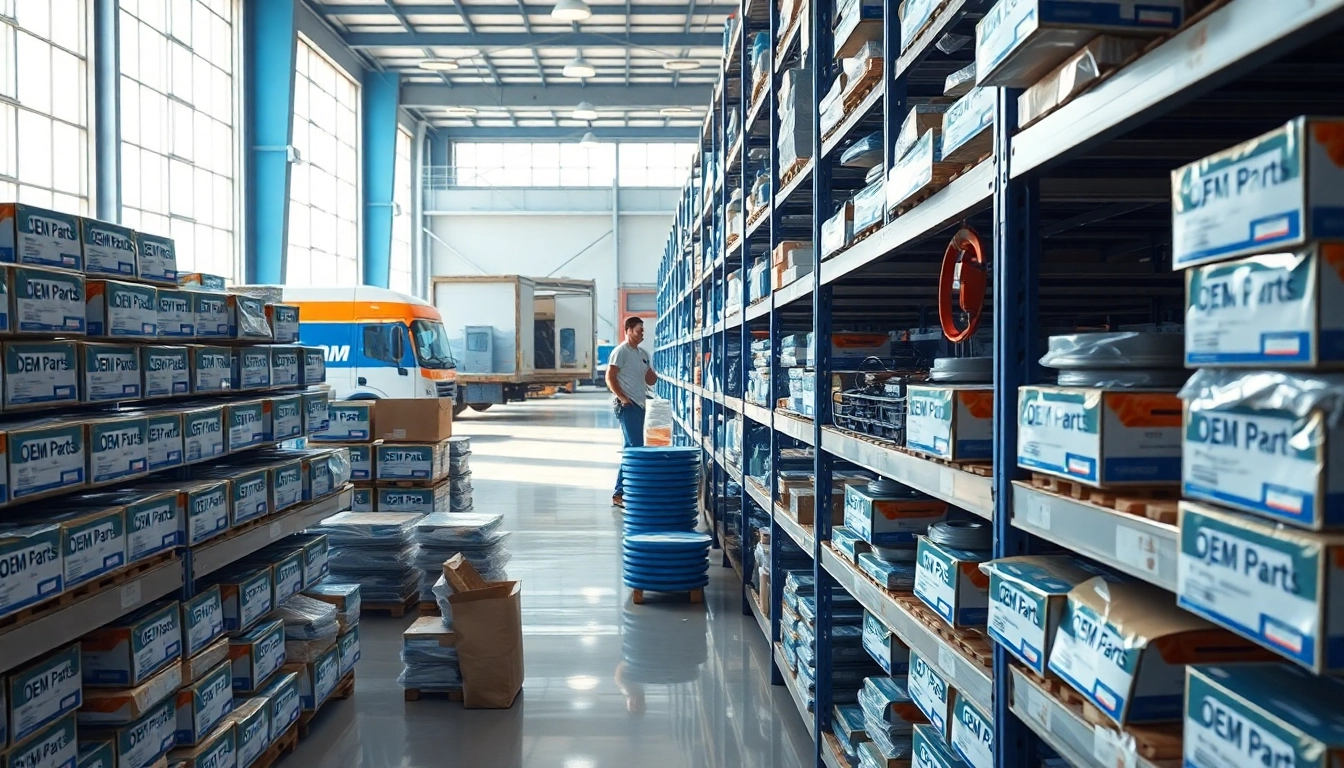
Understanding the Shrink Wrap Machine
What is a Shrink Wrap Machine?
A shrink wrap machine is a packaging solution used to shrink a plastic film around a product, creating a tight seal that offers protection and presentation benefits. These machines are prevalent in various industries, including food and beverage, cosmetics, pharmaceuticals, and electronics, where products need to be secured for shipping and display. By using heat to shrink the wrap, these machines provide a professional, tamper-evident packaging solution that enhances shelf life and product integrity.
How Shrink Wrap Machines Work
The operation of a shrink wrap machine involves a few key steps: 1. Loading - The product is placed onto a conveyor or into a docking area. 2. Wrapping - The machine envelops the product in a plastic film. 3. Sealing - The edges of the film are sealed, often using a heat source that melts the film’s edges together. 4. Shrinking - Heat is then applied to shrink the plastic tightly around the product, forming a protective layer. This process not only secures the product, preventing movement, but also provides a neat, visually appealing appearance that can enhance branding.
Types of Shrink Wrap Machines
Shrink wrap machines come in various forms, tailored to meet different packaging needs:
- Manual Shrink Wrap Machines - Ideal for small operations or low-volume needs, these machines require human intervention for wrapping and sealing.
- Automatic Shrink Wrap Machines - Designed for high-volume production, these machines automate wrapping and sealing, improving efficiency.
- Semi-Automatic Shrink Wrap Machines - These machines provide a balance, requiring some manual input while automating other steps.
- Horizontal and Vertical Shrink Wrap Machines - Depending on the product shape and size, these machines can wrap items horizontally or vertically.
Choosing the right shrink wrap machine depends on the volume of the products to be packaged, the nature of the products, and the overall production efficiency goals of a business.
Benefits of Using a Shrink Wrap Machine
Improved Efficiency in Packaging
Adopting a shrink wrap machine streamlines the packaging process significantly. Automated machines reduce the time and labor involved compared to manual methods. Businesses can achieve faster packaging lines, enabling them to meet high demand without sacrificing quality. This efficiency extends to the production flow; products are wrapped, sealed, and ready for distribution more rapidly, which is crucial in a competitive market.
Cost Savings for Businesses
While the initial investment in a shrink wrap machine may be substantial, the long-term savings can be significant. The reduction in labor costs, decreased packaging waste, and enhanced durability of products lead to lower overall production expenses. Additionally, shrink-wrapped products often require less protective cushioning, further reducing material costs and storage space.
Enhanced Product Protection
Shrink wrap serves as a barrier against moisture, dirt, and physical damage. By tightly sealing the product, a shrink wrap machine enhances its durability during transportation and storage. This level of protection can extend the shelf life of perishable goods and prevent tampering, making it an ideal solution for sensitive items like food and pharmaceuticals.
Choosing the Right Shrink Wrap Machine
Factors to Consider
Selecting the appropriate shrink wrap machine involves evaluating several critical factors:
- Production Volume - Determine how many packages you need to produce within a specific timeframe to choose between manual, semi-automatic, and automatic machines.
- Product Size and Shape - Consider whether the machines can accommodate your products’ dimensions and whether horizontal or vertical wrapping is best.
- Material Compatibility - Ensure the machine is compatible with the type of shrink film you plan to use, which varies in thickness and shrinking properties.
Taking these factors into account will help you find a machine that fits your operational needs.
Common Features to Look For
An effective shrink wrap machine should include various features that enhance usability and efficiency:
- Temperature Control - Precise heat control ensures an optimal shrink without damaging the product.
- Adjustable Speed Settings - Flexibility in speed allows for adjustments based on production requirements.
- Easy Setup and Maintenance - User-friendly designs simplify the initial setup and day-to-day maintenance, minimizing downtime.
These features contribute to a better overall experience and improved productivity.
Best Practices for Selection
When choosing a shrink wrap machine, consider the following best practices to ensure a sound investment:
- Conduct a needs assessment to determine specific requirements related to your products and production scale.
- Research and compare multiple brands and models to gauge the most suitable options.
- Seek recommendations from industry peers who have experience with different machines.
- Request demonstrations or trials when possible to see the machines in action.
- Factor in long-term costs, including maintenance and operational efficiency, alongside initial purchasing costs.
Thorough evaluation of these elements will lead to an informed decision that aligns with your business goals.
Operating a Shrink Wrap Machine
Setup and Maintenance
Proper setup and maintenance of a shrink wrap machine are essential to ensure optimal performance:
- Installation - Follow the manufacturer’s instructions for setup, ensuring all components are correctly positioned.
- Regular Cleaning - Clean the machine regularly to prevent contamination of the products and maintain efficiency.
- Routine Inspections - Check for wear and tear on seals and other components to preemptively address issues before they lead to downtime.
Implementing a maintenance schedule will prolong the lifespan of your machine and keep production on track.
Safety Considerations
Operating machinery comes with inherent risks, necessitating the implementation of safety protocols:
- Training - Ensure all operators receive comprehensive training on the equipment and safety regulations.
- Protective Gear - Operators should wear appropriate safety gear, including gloves and eye protection, to prevent injury.
- Emergency Procedures - Establish clear emergency procedures in the case of malfunction or accidents.
Prioritizing safety not only protects personnel but also minimizes operational interruptions.
Troubleshooting Common Issues
While shrink wrap machines are generally reliable, common issues can occur. Here’s how to troubleshoot:
- Film Not Shrinking Properly - Check temperature settings and ensure the film used is compatible.
- Sealing Problems - Verify that the seals are clean and that the machine is correctly calibrated.
- Machine Jams - Regularly check for obstructions and ensure that the product is fed correctly into the machine.
Addressing these issues proactively can help maintain a continuous production flow.
FAQs About Shrink Wrap Machines
What products can a shrink wrap machine package?
A shrink wrap machine can package a wide range of products, including food items, cosmetics, electronics, and pharmaceuticals, providing a tight seal around items of various shapes and sizes.
How fast can a shrink wrap machine operate?
The speed of a shrink wrap machine varies by model and type, with some automatic machines capable of wrapping up to 30 products per minute, significantly improving production efficiency.
Are shrink wrap machines energy-efficient?
Modern shrink wrap machines are designed to be energy-efficient, utilizing advanced heating technologies that minimize energy consumption while maintaining optimal performance.
What materials are used with shrink wrap machines?
Common materials used with shrink wrap machines include PVC, polyolefin, and polyethylene films. The choice of material will depend on the product type and required shelf life.
Can shrink wrap machines be customized?
Many shrink wrap machines offer customizable features, such as size adjustments for different products, and can be tailored to fit specific production workflows and needs.