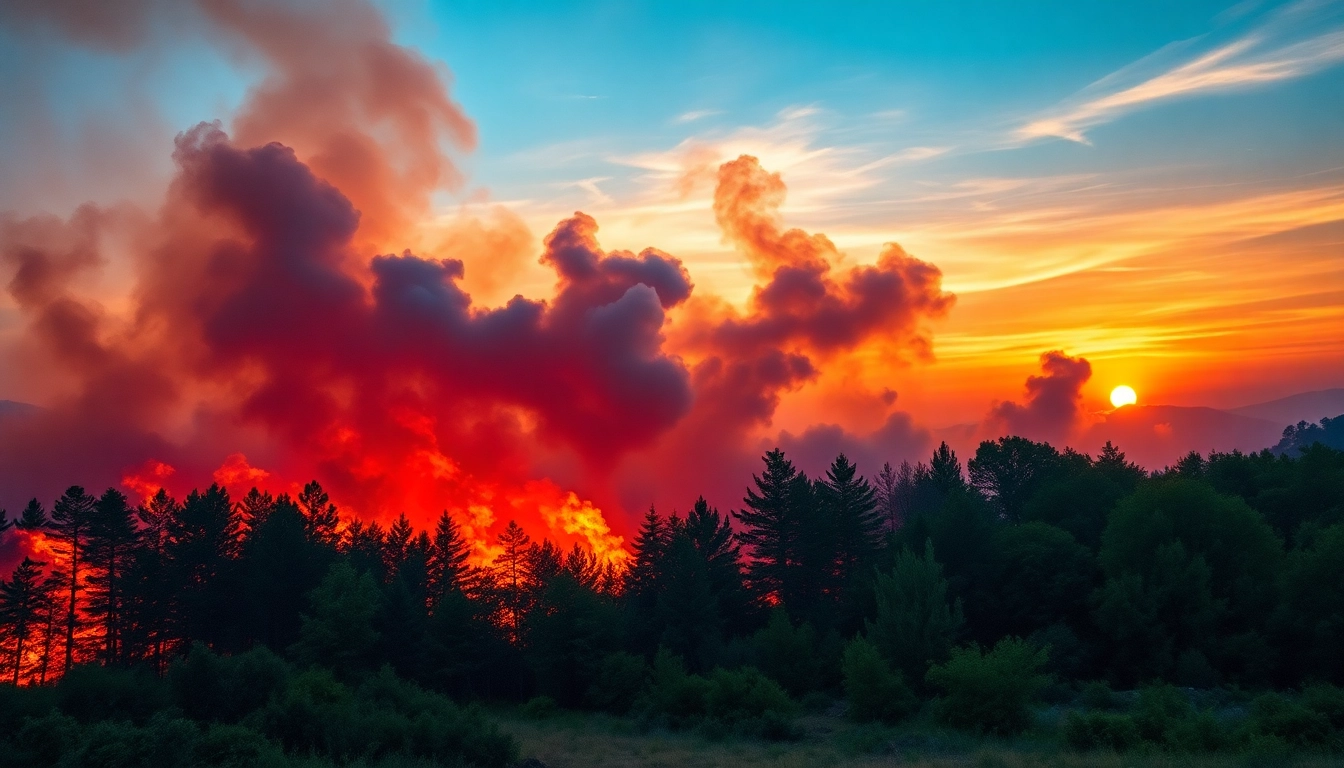
Introduction to Wildfire Events
Wildfire events have increasingly become a critical topic of discussion in modern environmental and climatic discourse. As climate change progresses and environmental conditions fluctuate, the frequency and intensity of these events are on the rise. Understanding the implications of Wildfire events is essential for communities, policymakers, and environmental scientists alike. This article delves into the definition, causes, impacts, and effective strategies for dealing with wildfires.
What Are Wildfire Events?
A wildfire event, or wildland fire, is any uncontrolled fire that occurs in vegetation, wildland, or undeveloped land—not to be confused with controlled burns. These fires can happen naturally, often as a result of lightning strikes, or can be ignited by human activities such as discarded cigarettes, campfires left unattended, or arson. Wildfires can rapidly spread and can cause devastating impacts on the environment, including destruction of habitats, air pollution, and loss of biodiversity.
The Importance of Understanding Wildfire Events
Understanding wildfire events is paramount for risk assessment, disaster preparedness, and response strategies. The consequences of wildfires extend beyond the immediate destruction of property and natural habitats; they pose long-term threats to air quality, public health, and community safety. Furthermore, wildfires can disrupt local economies, impacting businesses and reducing property values, making it vital for communities to develop strategies for mitigation and preparedness.
The Role of Climate Change in Wildfire Events
Climate change significantly influences wildfire events by altering weather patterns, extending dry seasons, and increasing temperatures. Research indicates that warmer climates lead to drier conditions, which can render forests and grasslands more susceptible to ignitions. An increase in extreme weather events, such as strong winds and prolonged droughts, can exacerbate existing vulnerabilities, making it essential to consider climate projections when preparing for potential wildfire scenarios.
Causes of Wildfire Events
Natural Causes of Wildfire Events
Natural causes of wildfires primarily include lightning strikes and volcanic eruptions. While lightning is the most common natural ignition source, conditions such as dry vegetation, high temperatures, and low humidity can cause minor ignitions to escalate into catastrophic wildfires. Wildfire activity is cyclical and has been a part of many ecosystems for millions of years, providing necessary ecological benefits, such as nutrient recycling and habitat renewal.
Human Activities Leading to Wildfire Events
Human activity plays a significant role in igniting wildfires. Common causes include discarded cigarettes, illegal campfires, and arson. Infrastructure development in forested areas can alter water drainage patterns, drying out the landscape and making it more susceptible to fires. Moreover, electrical equipment, such as power lines, can also spark unintended fires, highlighting the need for stringent regulations and public awareness on responsible land use and fire safety.
Unexpected Factors in Wildfire Events
Some wildfire events can occur due to unexpected factors or rare situations, such as spontaneous combustion or human error in managing fire-prone areas. Unpredictable weather patterns, such as sudden storms or heatwaves, can also exacerbate fire risks, creating perfect conditions for rapid fire spread. Subtler factors, like invasive plant species that alter natural fire regimes, can also contribute to the timing and intensity of wildfires.
The Impact of Wildfire Events on Communities
Health Risks Associated with Wildfire Events
Wildfire events pose considerable health risks to nearby populations. Smoke from wildfires is a major contributor to air pollution and can lead to respiratory problems, cardiovascular diseases, and other health complications. Vulnerable groups, such as children and the elderly, are at an increased risk. Prolonged exposure to smoke can also exacerbate chronic health issues, resulting in a public health crisis that can last long after a fire has been extinguished.
Environmental Consequences of Wildfire Events
The environmental impacts of wildfire events are profound and far-reaching. Forests play a critical role in carbon sequestration, and wildfires can release vast amounts of stored carbon back into the atmosphere, contributing to climate change. Additionally, wildfires can lead to soil erosion, loss of soil fertility, disruption of local water cycles, and destruction of wildlife habitats, leading to a long-term decline in biodiversity.
Economic Impacts on Local Communities from Wildfire Events
The economic ramifications of wildfires are significant. Communities affected by wildfires may lose tourism revenue, face increased costs of fire suppression, and incur expenses related to rebuilding infrastructure and homes. Property values in fire-prone areas can diminish, affecting local economies. Moreover, businesses may struggle to recover from losses sustained during and after wildfire events, creating ongoing challenges for economic stability.
Prevention and Preparedness for Wildfire Events
Best Practices for Wildfire Event Preparedness
Preparation for wildfire events begins with robust planning and community engagement. Best practices include creating wildland-urban interface zones, implementing prescribed burns to reduce fuel loads, and educating the public about fire safety measures. Individuals and families should ensure they have emergency plans in place, including evacuation routes and communication strategies. Having fire-resistant building materials and maintaining a defensible space around properties are also vital aspects of wildfire preparedness.
Community Programs for Wildfire Events
Community programs play an essential role in wildfire preparedness and prevention. Local fire departments can collaborate with community organizations to conduct fire risk assessments, organize awareness campaigns, and provide practical training on fire safety practices. Participating in or initiating community clean-up days can help remove fuel sources near homes and infrastructure, making the community itself a part of the solution to wildfire risks.
How to Create Defensible Space Against Wildfire Events
Creating defensible space is a proactive measure that residents can take to reduce the risk of wildfires impacting their homes. This space can be achieved by clearing flammable vegetation, maintaining a safe distance between trees and infrastructure, and utilizing fire-resistant landscaping techniques. Your home’s exterior can also be fortified with non-combustible materials, such as stucco or brick, to enhance resilience during wildfire events.
Responding to Wildfire Events
Emergency Services and Their Role in Wildfire Events
Emergency services are crucial during wildfire events, as they coordinate firefighting efforts, evacuations, and public safety communication. Firefighters assess fire spread and implement strategies to contain the fire, using various methods such as fire breaks, controlled burns, and aerial firefighting resources. Rapid response is critical to mitigate losses and protect lives, making effective communication and logistics essential elements of their operations.
How Communities Can Support Each Other During Wildfire Events
Community support is vital during and after wildfire events. Neighbors can help by providing sanctuary for evacuated families, offering resources to affected individuals, or volunteering during recovery efforts. Information sharing on local resources, emergency updates, and recovery support networks can strengthen community bonds and resilience, creating a supportive environment for everyone affected by wildfires.
Recovery Strategies After Wildfire Events
Post-wildfire recovery can be an overwhelming process for affected communities. It involves rebuilding infrastructure, restoring ecosystems, and addressing individual needs for housing and health services. Programs should be implemented to assist residents in crisis recovery and rehabilitation. Community involvement in the recovery process can promote resilience by engaging local stakeholders in rebuilding efforts and fostering a sense of ownership over their community's restoration.
Frequently Asked Questions
What causes wildfires?
Wildfires can be caused by natural events like lightning and human activities such as discarded cigarettes or campfires left unattended.
How are wildfire events classified?
Wildfire events are classified based on several factors, including their size, intensity, and spread rate, as well as the challenges they pose to suppression efforts.
What are the health risks of wildfire smoke?
Wildfire smoke contains harmful pollutants that can exacerbate respiratory and cardiovascular conditions, posing significant health risks, especially to vulnerable populations.
How can I prepare for a wildfire?
Preparing for a wildfire involves creating emergency plans, maintaining defensible space around properties, and staying informed about fire risks and evacuation routes.
What role do community programs play in wildfire prevention?
Community programs educate residents on fire safety, conduct risk assessments, and foster engagement in creating a safer environment through collective action and preparedness.