Introduction to Home Warranties and HVAC Systems
For homeowners, understanding the nuances of home warranties can prove invaluable, especially when it comes to essential systems like heating, ventilation, and air conditioning (HVAC). A home warranty serves as a service contract designed to cover repair or replacement costs for home systems and appliances, safeguarding against unexpected breakdowns. One crucial area of coverage that homeowners often inquire about is what does a home warranty cover for HVAC systems.
What is a Home Warranty?
A home warranty is a protection plan that covers repair or replacement costs for critical home systems and appliances when they break down due to natural wear and tear. Unlike home insurance, which protects your property against risks from disasters and unexpected events, a home warranty specifically addresses the malfunctioning of home systems, providing a safety net for homeowners.
Importance of HVAC Coverage
HVAC systems are central to maintaining a comfortable living environment. They regulate temperature, circulate air, and ensure indoor air quality. Given their complexity and integral role in daily life, having a home warranty that covers HVAC systems can relieve financial stress during unexpected failures. It minimizes out-of-pocket expenses associated with repairs or replacements, making homeownership more manageable.
Differences Between Warranty and Insurance
Home warranty and home insurance serve distinct purposes. Home insurance protects against risks such as theft, vandalism, and natural disasters, while a home warranty focuses on the performance of specific systems and appliances within the home. Insurance typically involves a higher deductible, while warranties often require a service fee when repairs are made.
What Does a Home Warranty Cover for HVAC Systems?
Understanding the specific coverage of HVAC systems within a home warranty is crucial for homeowners. Coverage varies widely across different plans, making it essential to read the fine print.
Coverage for Air Conditioning Units
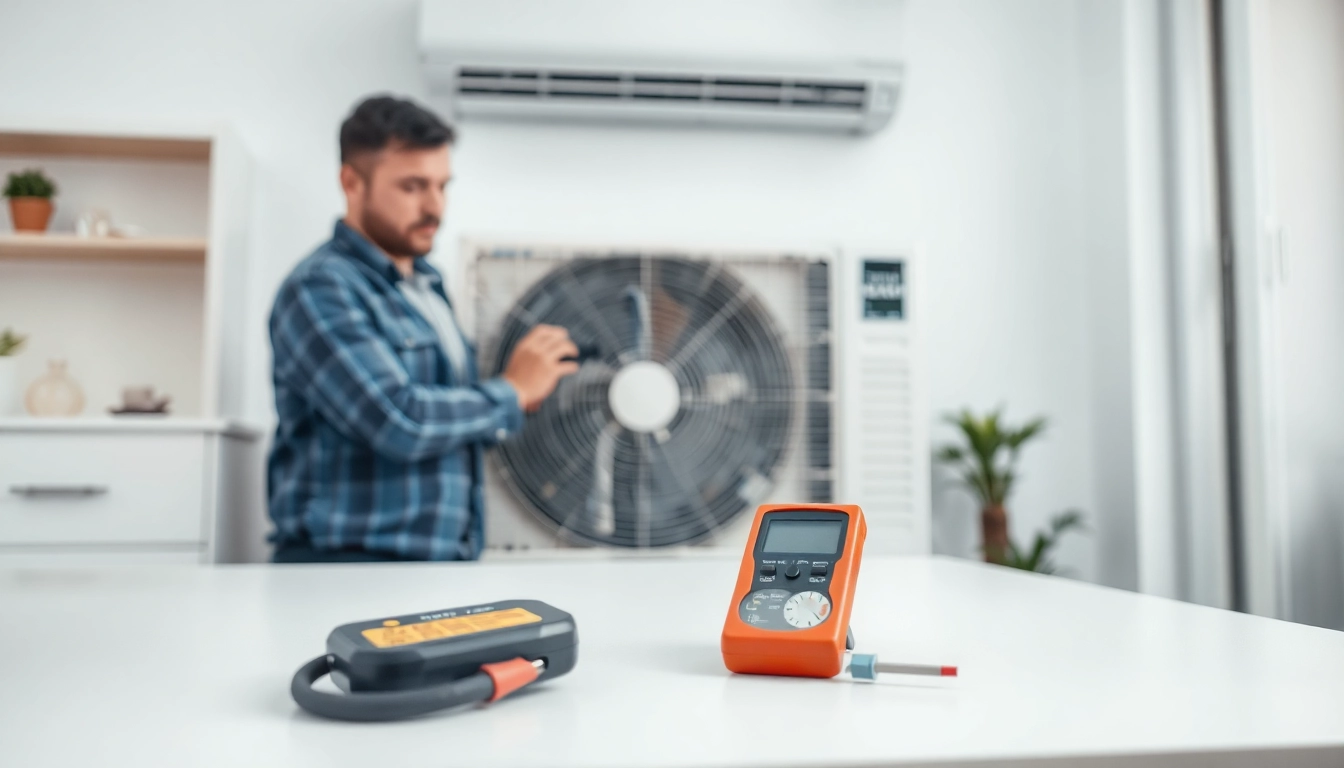
Most home warranties include coverage for air conditioning units, typically encompassing repairs and replacements for essential components such as the compressor, condenser, evaporator coils, and ductwork. However, it's important to note that some warranties may limit coverage based on the age and condition of the unit at the time of policy inception. Homeowners should check their specific plan for exclusions and limitations.
Coverage for Heating Systems
Heating systems, including furnaces and boilers, usually fall under the home warranty umbrella. This coverage often includes the heating elements, ducts, and mechanical components. Just like with air conditioning coverage, homeowners must verify the details to understand what specific components are covered and any limits that may apply—especially concerning older systems, which might have greater restrictions.
Limitations and Exclusions
While home warranties offer valuable coverage, they also come with limitations and exclusions. Common exclusions in HVAC coverage can include pre-existing conditions, cosmetic damages, and inefficiencies related to normal wear and tear. Familiarizing oneself with these limitations can save homeowners from unexpected challenges when making a claim.
Benefits of Having HVAC Coverage in a Home Warranty
The advantages of including HVAC systems in a home warranty are profound and offer peace of mind to homeowners, particularly those navigating the complexities of home maintenance.
Cost Savings on Repairs
HVAC repairs can be costly, with expenses often reaching into hundreds or even thousands of dollars. A home warranty mitigates these risks by covering the costs associated with repairs or replacements, allowing homeowners to budget effectively without the fear of sudden, skyrocketing expenses.
Peace of Mind for Homeowners
Knowing that HVAC systems are protected under a warranty allows homeowners to feel more secure in their investment. This peace of mind extends beyond just financial savings; it provides assurance that a malfunction won’t disrupt their daily lives significantly.
Increased Home Value
Homes equipped with a home warranty can attract prospective buyers by providing an added layer of protection for what is likely their most significant investment. Home warranties can increase the perceived value of a property, making it more marketable in a competitive real estate environment.
Choosing the Right Home Warranty for HVAC Coverage
Selecting the right home warranty involves careful consideration based on individual needs and existing home conditions.
Evaluating Terms and Conditions
Each home warranty has its own terms and conditions, so it’s critical for homeowners to thoroughly evaluate these details. Key factors to look out for include the duration of coverage, service fees, and limitations on specific components.
Comparing Different Plans
Not all home warranties are created equal, so it's advisable to compare various plans to find one that covers the necessary HVAC components adequately. Homeowners should consider factors like coverage limits, additional services, and pricing to select the plan best suited to their needs.
Customer Reviews and Ratings
Insights from former customers can provide invaluable context concerning the reliability and efficiency of a home warranty provider. Homeowners should consider reading reviews and ratings to gauge customer satisfaction and service quality before making a decision.
FAQs About HVAC Systems and Home Warranties
How long does HVAC coverage last?
Most home warranty plans provide coverage for one year. Upon expiration, homeowners can often renew their plan to continue coverage.
Are pre-existing conditions covered?
Generally, home warranties do not cover pre-existing conditions. Homeowners should ensure that their HVAC systems are in working condition prior to purchasing the warranty.
Can I choose my own technician?
In most cases, homeowners must use the warranty provider's network of technicians. This ensures that only eligible service providers handle repairs or replacement claims.
What happens when a claim is denied?
If a claim is denied, the homeowner will receive an explanation detailing the reason for the denial. They can appeal the decision or potentially seek service elsewhere.
Is there a waiting period for coverage?
Many home warranties have a waiting period of 30 days after purchase before coverage begins. It’s essential to review the specific policy for details.