Understanding Sauvage: A Timeless Fragrance
When it comes to luxury fragrances, few achieve the iconic status of Sauvage. Known for its robustness and an alluring blend of natural scents, Sauvage captures the essence of the great outdoors. Its unique formulation has captivated users since its inception, merging gourmand elements with refreshing notes. Understanding what makes this fragrance so special requires delving into its defining characteristics, the notes that compose its scent, and the inspiring story behind its creation.
What Defines Sauvage
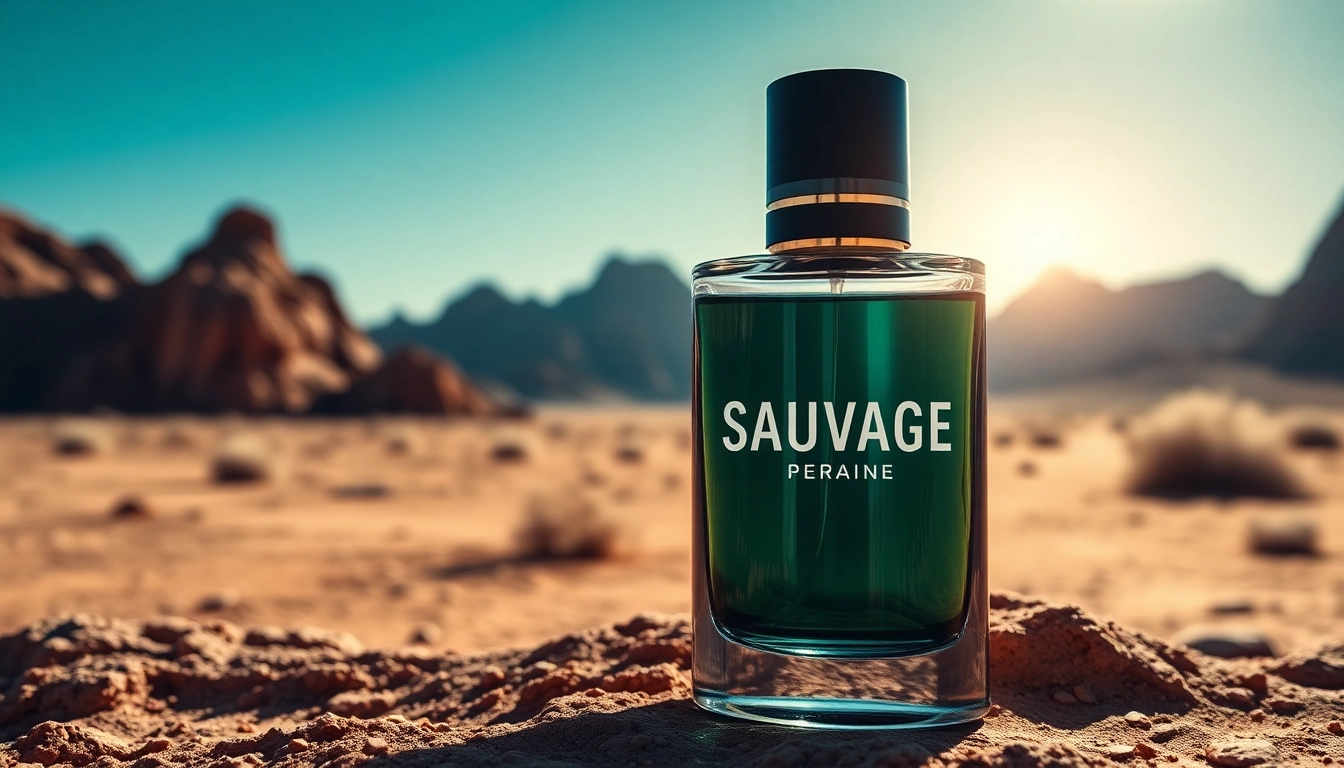
Sauvage, often hailed as a modern classic, is defined by its raw yet polished character. The fragrance is designed for the contemporary man who appreciates not only sophistication but also the power of nature. With its earthy and woody notes, Sauvage resonates with those who seek adventure and exploration in their lives. The fragrance captures an olfactory interpretation of a wild landscape—sunlit skies, dry rocky plains, and the fresh, crisp air. This duality of ruggedness and elegance is what sets Sauvage apart from other fragrances in the market.
The Fragrance Notes of Sauvage
The composition of Sauvage is complex, carefully crafted to deliver a multi-layered scent experience. The top notes burst with fresh bergamot, providing an exciting introduction that is both bright and citrusy. As the fragrance settles, the heart unveils spicy pepper, which introduces a dynamic and bold layer to the mix. Finally, the base notes consist of warm amber, earthy patchouli, and seductive vanilla—creating a lingering warmth that has made Sauvage irresistible to many. This well-balanced trifecta of notes captures the essence of masculinity, making it a go-to for daily wear or special occasions.
The Story Behind Sauvage
Sauvage was launched in 2015, with renowned perfumer François Demachy at the helm of its creation. The fragrance was inspired by vast, open landscapes as well as the great outdoors. The name itself reflects raw elements—'sauvage' means 'wild' in French. Encapsulating the spirit of free-spirited exploration, Sauvage draws upon the exhilarating experience of nature. Its marketing further emphasizes this theme, often depicting imagery of untamed wilderness and freedom. With its powerful inspiration, Sauvage is more than just a fragrance; it is a movement toward authenticity and natural connection.
Choosing Your Sauvage: Eau de Toilette vs. Eau de Parfum
For those who adore Sauvage, understanding the differences in its formulations can enhance the fragrance experience. There are two essential variants of Sauvage: Eau de Toilette (EDT) and Eau de Parfum (EDP). Each offers unique qualities suited to different preferences and occasions.
Differences in Concentration
The primary distinction between Eau de Toilette and Eau de Parfum rests in their concentration of fragrance oils. Eau de Toilette typically has a lower concentration, ranging from 5-15%, which leads to a lighter scent profile. In contrast, Eau de Parfum has a concentration of 15-20%, giving it a richer, more intense aroma. While EDT offers fresh, bright notes that can be invigorating, EDP leans toward a more robust and indulgent presence. The choice between the two often comes down to personal preference and the desired intensity.
When to Use Each Type
Understanding when to use each variant of Sauvage hinges on your lifestyle and the context of the occasion. For example, Eau de Toilette is ideal for daytime wear—perfect for warmer months or casual settings. Its refreshing nature makes it a wonderful choice for daytime activities such as work or social gatherings. On the other hand, Eau de Parfum shines in evening settings, embodying an allure that’s perfect for formal events or romantic nights out. Its lingering scent is likely to leave a memorable impression from dusk to dawn.
Popular Variants of Sauvage
Over the years, Sauvage has expanded beyond its original offerings. Beyond the traditional EDT and EDP formats, additional releases include limited editions and special variations tailored for unique audiences. Each variant continues to capture the essence of the original, while introducing elements that appeal to specific tastes. Exploring these variants can allow fragrance enthusiasts to find their signature scent within the Sauvage family.
How to Apply Sauvage for Maximum Impact
The application method of a fragrance greatly influences its performance and longevity. Knowing the best application techniques can amplify the experience of wearing Sauvage, allowing its intoxicating notes to unfold successfully.
Best Application Techniques
To apply Sauvage effectively, consider the pulse points on your body—areas where blood vessels are closest to the skin's surface. The wrists, neck, and behind the ears are ideal spots to spritz fragrance. This ensures that as your body heat rises, the fragrance is diffused into the environment. A common recommendation is to apply perfume after moisturizing, as hydrated skin retains scents longer than dry skin.
Layering Scents with Sauvage
Another technique to enhance your fragrance experience is layering. This involves using complementary scented products such as shower gels, body lotions, or deodorants alongside Sauvage. By creating a scented regimen, the fragrance can maintain its profile longer and evoke a greater olfactory impact. Look for products that feature similar notes to Sauvage for a harmonious layering effect.
Timing Your Fragrance Application
When you apply a fragrance can important impact its reception. Applying Sauvage during the morning routine provides an invigorating start to the day while freshening you throughout various activities. However, for evening wear, a spritz shortly before an event ensures that the scent is fresh and potent, lingering in the air as you greet others. Pay attention to climate as well—a heavier application in cooler weather can be beneficial, while a lighter touch is recommended for warmer climates.
The Best Occasions for Sauvage
Sauvage is remarkably versatile, fitting seamlessly into various occasions. However, understanding the context of its use can further enhance its appeal.
Daytime vs. Nighttime Use
As mentioned earlier, choosing between Eau de Toilette and Eau de Parfum largely determines whether Sauvage is suitable for day or night wear. While the lighter Eau de Toilette is perfect for daytime, the more intense Eau de Parfum adds a touch of sophistication for evening events. When planning your day's activities, consider the fragrance's intensity to match the energy of your schedule.
Seasonal Recommendations for Sauvage
Seasonal changes also influence fragrance selection. In summer, the lighter formulation of Eau de Toilette brings a refreshing quality to hot days. For the autumn and winter months, the warmth of EDP captures rich, earthy notes that invoke a feeling of comfort. Ultimately, aligning the fragrance with the seasons enhances its overall effectiveness.
Special Events to Wear Sauvage
Beyond daily wear, Sauvage is a fantastic option for special occasions—weddings, anniversaries, galas, and more. Given its rich and alluring presence, the fragrance adds a sense of elegance and confidence to anyone attending such gatherings. Its appeal also makes it a great gift choice, embodying thoughtfulness and sophistication.
Maintaining Your Sauvage Collection
Taking care of your Sauvage collection guarantees its longevity and vibrancy. Simple maintenance strategies can help you enjoy the fragrance for years to come.
Proper Storage Tips
Fragrance should be stored in a cool, dry place away from direct sunlight. Exposure to light and heat can cause the fragrance to break down over time, altering its scent profile. A cabinet, drawer, or dedicated area free from humidity works best. Ensure to keep the bottle upright to protect its integrity, as leakage can compromise the product.
Extending the Longevity of Your Fragrance
To maximize the wear time of Sauvage, consider applying fragrance to pulse points after showering. Layering with scented body lotion and using a fragrance-free deodorant contributes to prolonging the scent. Additionally, avoiding rubbing the skin after application is critical as it can break down the fragrance molecules and diminish its quality.
Knowing When to Replace Your Sauvage
Fragrances have a lifespan typically ranging from three to five years, contingent upon proper storage and ingredient quality. An indicator to replace your Sauvage is a noticeable change in scent—a warped or faded aroma may signify degradation. It’s advisable to regularly inspect your collection to ensure that you’re enjoying the fragrance at its best.
Frequently Asked Questions about Sauvage
What are the main notes in Sauvage?
Sauvage features bright top notes of bergamot, with spicy heart notes of pepper and a warm base of amber, patchouli, and vanilla.
Is Sauvage suitable for all occasions?
Yes, Sauvage is versatile and suitable for both casual and formal occasions, making it an excellent choice for any event.
How should I store my Sauvage fragrance?
Store Sauvage in a cool, dry place away from sunlight and humidity to maintain its optimal fragrance performance.
When is the best time to apply Sauvage?
Apply Sauvage in the morning for daily wear, and consider using a heavier application for evening events or special occasions.
Can Sauvage be worn year-round?
Yes, with variants like Eau de Toilette for warmer months and Eau de Parfum for cooler seasons, Sauvage can be enjoyed year-round.