Understanding Power Stations
What is a Power Station?
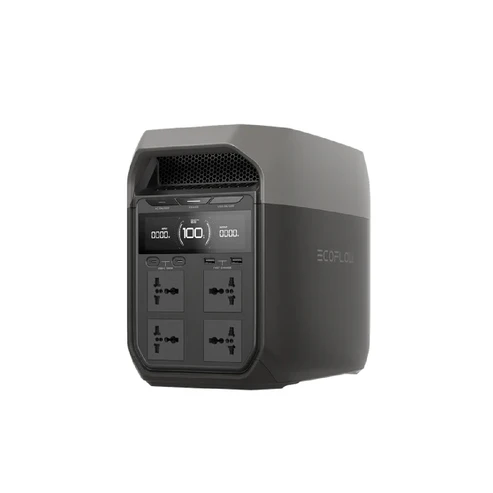
A power station is a portable energy storage device that allows users to power various electronic devices while on the go. It combines a rechargeable battery with multiple output ports to provide electricity. This innovation has made it possible to charge smartphones, laptops, drones, and even power small appliances during camping trips, outdoor activities, or emergency situations.
Types of Power Stations
Power stations come in various types, catering to different needs and functionalities. Understanding these categories can help you choose the best option for your specific requirements.
1. Lithium Battery Power Stations
These power stations use lithium-ion batteries, which are known for their lightweight design and high energy density. They are more efficient and can be charged more rapidly compared to traditional lead-acid batteries.
2. Solar Power Stations
Solar power stations are designed to harness solar energy, providing an eco-friendly charging solution. These stations often come with solar panels that allow for continuous energy replenishment, making them ideal for extended outdoor use.
3. Gas-Powered Generators
While not a power station in the typical sense, gas-powered generators offer high wattage outputs and are suitable for powering multiple heavy-duty appliances, making them useful for longer outages or major projects.
Benefits of Using Power Stations
The shift towards using a power station comes with several advantages:
- Portability: Most power stations are designed to be lightweight and easily transportable, allowing users to take them anywhere.
- Convenience: Easily connect multiple gadgets simultaneously without searching for wall outlets.
- Eco-Friendly Options: Solar-powered units help reduce carbon footprints.
- Versatility: Ideal for various applications, from camping to emergency preparedness.
- Battery Backup: Offers reliability during power outages, ensuring that essential devices remain operational.
Choosing the Right Power Station
Power Capacity and Usage
When selecting a power station, the first consideration should be its power capacity or wattage. This is crucial for ensuring that the station meets your power needs.
Establishing Wattage Requirements
Start by identifying the devices you plan to use with the power station. Each device has a specific power requirement, measured in watts. Summing up these requirements helps to determine the total wattage needed. For instance, if you plan to charge a laptop (50W), a smartphone (20W), and a small fan (30W), a power station with at least 100W capacity will be adequate.
Port Options and Connectivity
The variety of ports available on a power station is significant for its usability. Look for models that include:
- AC Outlets: Essential for standard appliances and devices.
- USB Ports: For charging mobile devices directly.
- DC Outlets: Suitable for automotive devices and specialized equipment.
Additionally, some power stations offer USB-C ports with Power Delivery (PD), enabling faster charging for compatible devices.
Portability Factors
Portability is a vital aspect to consider if you plan to use the power station for outdoor activities. Evaluating the weight and design can provide insight into its seamless transportability. Features to look for include:
- Weight: Lightweight models are easier to carry.
- Handle Design: Ergonomically designed handles can improve mobility.
- Size: Compact units take up less space in your vehicle.
Power Station Applications
Use in Outdoor Adventures
Outdoor enthusiasts have found a power station invaluable for activities like camping, hiking, or tailgating. These devices provide a reliable source of power for lighting, cooking appliances, and even powering portable refrigerators.
Case Study: A Night Under the Stars
A family on a camping trip discovered the benefits of a portable power station. They were able to power LED lights for their campsite, charge their smartphones for navigation, and keep a small cooler running throughout the night without worrying about draining their car battery.
Emergency Preparedness
Having a power station on hand is crucial for emergency situations. Power outages caused by storms or natural disasters can leave families in the dark.
Emergency Kit Component
By including a power station in your emergency preparedness kit, you ensure access to energy for lights, radios, and communication devices, improving safety and comfort during outages.
Everyday Use for Gadgets
In daily life, a power station can simplify the charging of devices. Whether at home, in the office, or on the go, users experience the convenience of having portable power without relying on traditional outlets.
For the Tech-Savvy User
A digital nomad working remotely from different locations has found that a robust power station allows him to charge his laptop and devices seamlessly, avoiding downtime during work hours.
Installation and Setup Tips
How to Set Up Your Power Station
Setting up a power station is typically a straightforward process:
- Unbox the unit and inspect it for any visible damage.
- Ensure it is charged before first use; follow the manufacturer's instructions for charging times.
- Connect devices using appropriate charging ports.
Best Practices for Charging
To maximize the lifespan of your power station's battery, follow these charging best practices:
- Avoid fully depleting the battery before recharging.
- Use the manufacturer's recommended charger for optimal results.
- Store the unit in a cool and dry place when not in use.
Maintaining Your Power Station
Regular maintenance can extend the life of your power station. Consider these tips:
- Check connections and ports for dirt or damage.
- Keep the firmware updated for better performance.
- Periodically recharge the battery even if not in use to avoid capacity loss.
FAQs About Power Stations
What can a power station charge?
A power station can charge a variety of devices, including smartphones, laptops, cameras, small appliances, and other electronics, depending on its wattage and available ports.
Are power stations safe to use?
Yes, power stations are designed with safety features such as short circuit protection and surge protection. Always follow the manufacturer's instructions for safe operation.
How long does a power station last on a full charge?
The duration a power station lasts depends on its capacity and the power demand of the devices plugged in. A typical unit may last anywhere from a few hours to a few days under moderate use.
Can I use a power station indoors?
Yes, power stations can be used indoors. However, ensure proper ventilation, especially with gas-powered options, to reduce carbon monoxide risks.
How do I know what size power station I need?
Determine the combined wattage of devices you intend to charge, then choose a power station that exceeds that total for optimal performance.