Understanding Land Irrigation Basics
Defining Land Irrigation
Land irrigation is the process of artificially applying water to soil to support the growth of agricultural crops. This critical agricultural practice serves to manage water supply in regions where natural rainfall is insufficient to meet crop needs. By ensuring that crops receive adequate moisture, land irrigation plays a vital role in enhancing food security and enabling farmers to produce healthy, high-yield harvests.
The Importance of Land Irrigation
The significance of land irrigation cannot be overstated. Globally, agriculture relies heavily on consistent water supply, particularly in areas that endure droughts or erratic rainfall patterns. Efficient land irrigation systems contribute to improved crop yields by providing water directly to plants in a controlled manner. Moreover, they help in mitigating soil erosion, enhancing soil structure, and promoting biodiversity in agricultural ecosystems.
Common Irrigation Methods
There are several irrigation methods utilized in agricultural practices today, each with its advantages and contexts for use. Below are some of the most common:
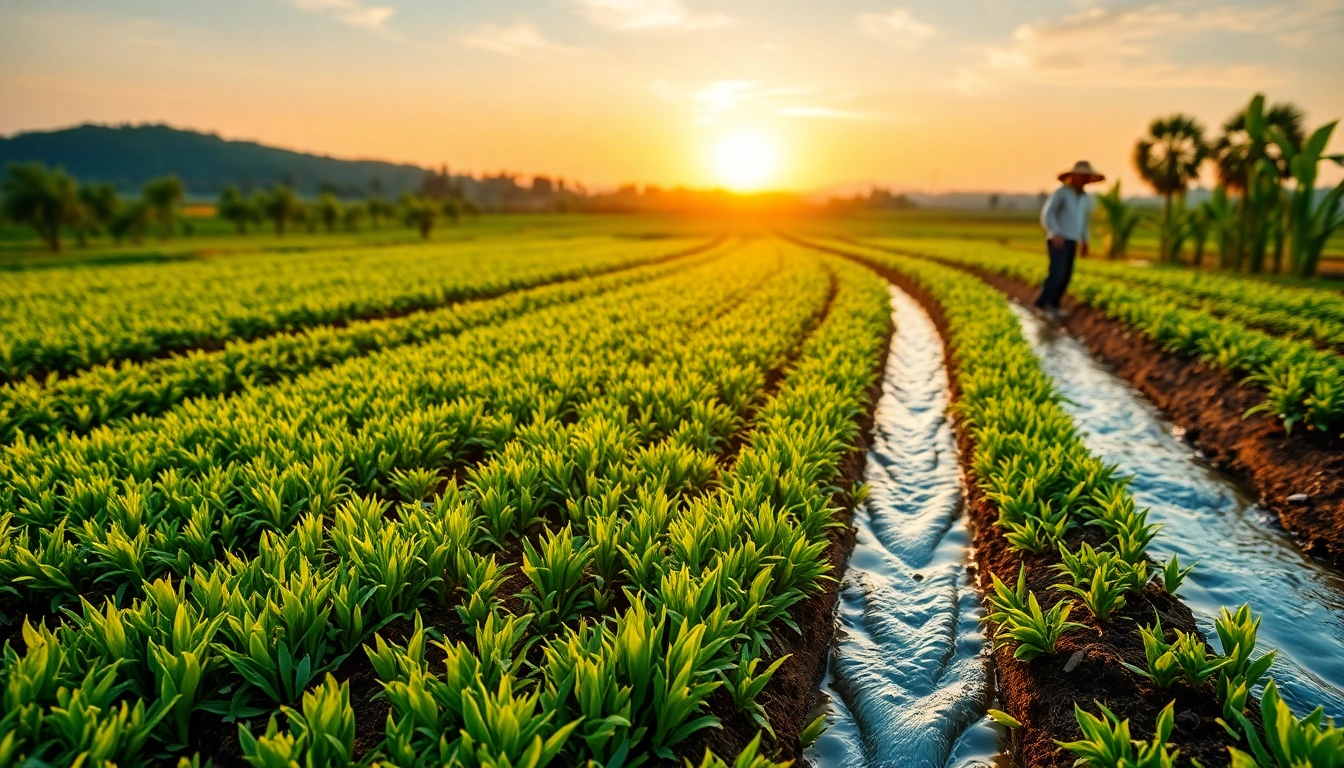
- Surface Irrigation: Water is applied to the soil surface and allowed to flow over the field. It's simple and cost-effective but may lead to uneven distribution.
- Drip Irrigation: Water is delivered directly to plant roots through a network of tubing and emitters. This method is highly efficient and minimizes water loss through evaporation.
- Sprinkler Irrigation: Water is sprayed over fields through a system of pipes and sprinklers resembling rainfall. This method allows for uniform coverage but may require more energy and maintenance.
- Subsurface Irrigation: Water is applied below the soil surface, targeting root zones. This method reduces evaporation and weed growth but can be more complex to install and manage.
Benefits of Proper Land Irrigation
Enhancing Crop Yields
Proper land irrigation directly correlates with increased agricultural productivity. By ensuring that crops receive the necessary amount of water, farmers can enhance growth rates and crop quality. Studies have shown that optimized irrigation practices can boost yields by 20-100% compared to rain-fed systems, leading to increased food availability and farmer income.
Water Conservation Strategies
In an era of increasing water scarcity, implementing effective land irrigation practices can lead to significant water conservation. Techniques such as drip irrigation reduce water waste, delivering precise amounts of moisture exactly where plants need it. Additionally, integrating rainwater harvesting and scheduling irrigation based on real-time moisture data further optimizes water use, ensuring that resources are preserved for future use.
Improving Soil Health
Proper land irrigation enhances soil health by maintaining appropriate moisture levels, which supports microorganisms and promotes soil fertility. Over time, improved irrigation practices can lead to better nutrient cycling, structure, and organic matter content in the soil. Healthy soils are better equipped to retain moisture, reduce erosion, and support diverse ecosystems.
Challenges Faced in Land Irrigation
Climate Variability
One of the most pressing challenges in land irrigation is climate variability. Changes in rainfall patterns, temperature fluctuations, and increased frequency of extreme weather events can disrupt traditional irrigation schedules. Farmers must adapt to these changes by utilizing more flexible and resilient irrigation systems that can withstand variability and help stabilize crop production.
Infrastructure Limitations
Infrastructure limitations pose a significant barrier to efficient land irrigation. In many developing regions, outdated systems, poor maintenance, and lack of access to modern technologies can hinder effective water management. Building better irrigation infrastructure and ensuring accessibility to maintenance resources are critical for maximizing the potential of agricultural lands.
Pest and Weed Management
Effective pest and weed management is crucial for successful land irrigation. Over-irrigation can lead to increased pest populations and weed growth, creating competition for nutrients and water. Farmers must balance irrigation practices with integrated pest management strategies to ensure that irrigation supports crops effectively without exacerbating pest issues.
Advanced Techniques in Land Irrigation
Smart Irrigation Technologies
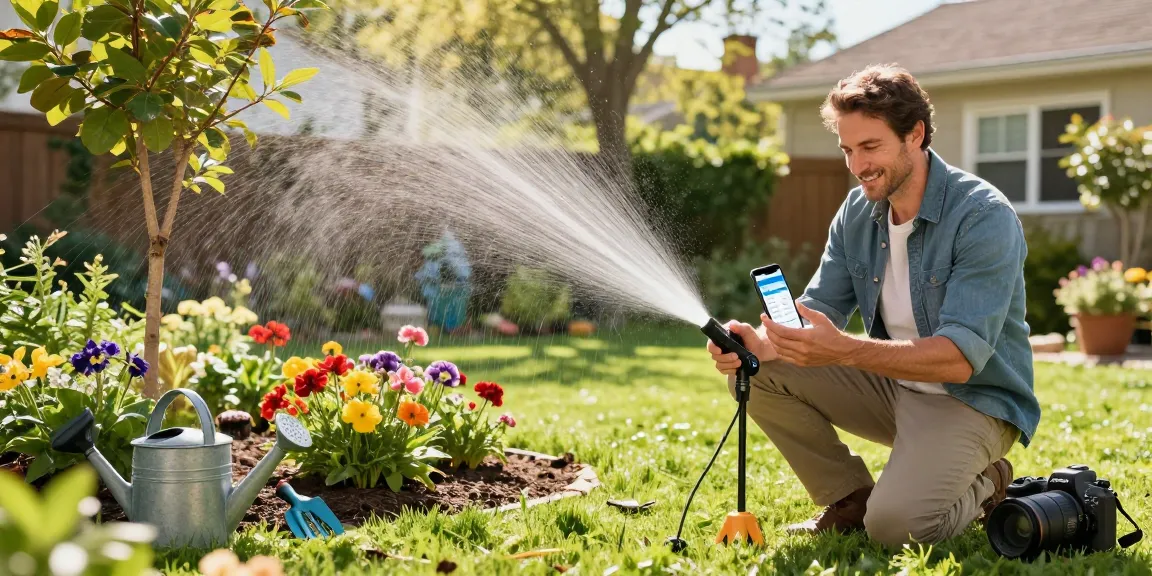
Smart irrigation technologies leverage data and automation to optimize water use. These systems often incorporate soil moisture sensors, weather forecasts, and IoT devices to monitor real-time conditions and adjust irrigation schedules accordingly. Smart irrigation reduces water wastage and enhances crop health by applying water only when necessary.
Drip Irrigation Systems
Drip irrigation has emerged as one of the most efficient watering methods available. This technique allows water to flow directly to the root zone through a network of drippers and tubes. By minimizing evaporation and runoff, drip irrigation conserves water and increases efficiency, making it particularly suitable for high-value crops and regions with water constraints.
Scheduling and Monitoring
Implementing effective scheduling and monitoring practices is vital for successful land irrigation. Farmers can utilize software applications that help schedule irrigation based on soil moisture levels and climatic conditions. By regularly monitoring soil conditions, they can make informed decisions about when and how much to irrigate, leading to optimized water use and improved crop outcomes.
Future of Land Irrigation
Sustainability in Agriculture
The future of land irrigation lies in sustainable practices that balance agricultural productivity and environmental responsibilities. Emphasizing resource efficiency, farmers are increasingly adopting practices such as rainwater harvesting, integrated pest management, and organic fertilizers to enhance sustainability in their irrigation approaches. Such practices ensure that future generations can continue to rely on agriculture while protecting vital ecosystems.
Innovative Water Management Practices
As the impacts of climate change become more apparent, innovative water management practices will be essential in agriculture. Techniques such as aquaponics, hydroponics, and soil moisture retention technologies offer alternatives that could revolutionize traditional irrigation. These innovations not only promote efficient water use but also create opportunities to grow crops in non-traditional environments.
Research and Developments
Ongoing research and development in land irrigation promise to improve techniques and technologies further. Advances in genetic engineering, such as developing drought-resistant crops and improved irrigation methodologies, are key areas of focus. As scientists explore new frontiers in agricultural practices, the goal is to create resilient systems that can withstand the challenges posed by climate change and food insecurity.
Frequently Asked Questions
What is land irrigation?
Land irrigation refers to the artificial application of water to soil to assist in the growth of agricultural crops. This process ensures plants receive adequate moisture, especially in arid regions.
Why is proper land irrigation important?
Proper land irrigation maximizes crop yields, conserves water resources, and maintains soil fertility, which is crucial for sustainable agricultural practices and food security.
What are the different methods of land irrigation?
The main methods of land irrigation include surface irrigation, drip irrigation, sprinkler irrigation, and subsurface irrigation, each suited to different soil types and crops.
How can land irrigation help in water conservation?
Effective land irrigation techniques, such as drip irrigation, minimize water waste by delivering water directly to plant roots, ensuring efficient usage and reducing evaporation.
What advancements are being made in land irrigation?
Advancements in land irrigation include smart technologies that use sensors for monitoring soil moisture, automated systems for precise water application, and research into drought-resistant crops.