Understanding the Benefits of a 3D Pergola
A 3d pergola is an innovative structure that can transform any outdoor space into a functional and aesthetically pleasing area. By utilizing advanced design techniques, a 3D pergola offers myriad benefits that enhance both the appearance and usability of gardens, patios, and backyards. With the ability to visualize various designs and customization options in three dimensions, homeowners can make more informed decisions, ensuring their outdoor living spaces reflect their personal style and functional needs.
What is a 3D Pergola?
A 3D pergola is a modern approach to traditional pergola designs, providing users with detailed, three-dimensional representations of their outdoor structures before they are built. This allows for an immersive design experience where individuals can see how different styles, materials, and configurations will look in their own spaces. Unlike flat blueprints or 2D sketches, 3D modeling presents a realistic view that aids in spatial understanding and design clarity.
Advantages of 3D Visualization in Design
- Enhanced Decision-Making: Visualizing a pergola in 3D allows you to explore various designs and layouts, making it easier to choose styles that complement your home.
- Customization: 3D design software enables users to alter dimensions, materials, and colors in real-time, ensuring the final product meets their specific needs.
- Improved Communication: When working with builders or landscapers, providing a 3D model helps convey your vision more effectively than verbal descriptions or sketches.
Enhancing Outdoor Living with 3D Pergolas
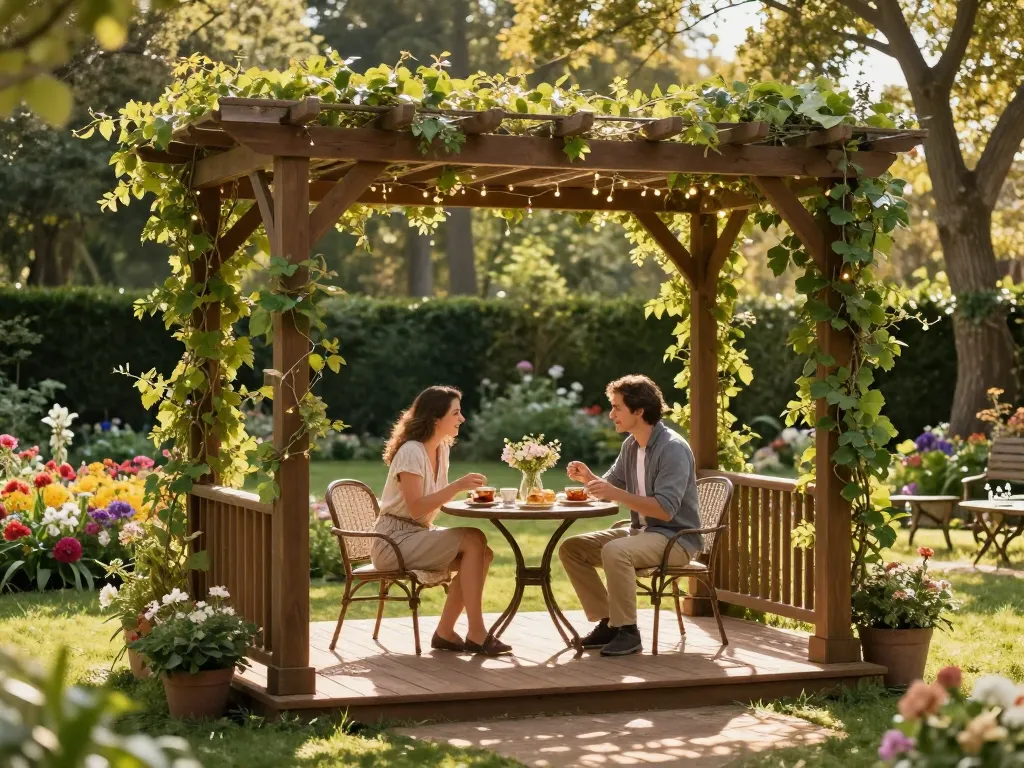
3D pergolas can significantly enhance outdoor living spaces by offering shade, comfort, and style. They create inviting areas for relaxation and entertainment, which can improve the overall quality of life for homeowners. Moreover, since they can be designed to incorporate various elements such as lighting, fans, or climbing plants, these structures can be tailored to suit specific lifestyle needs while enhancing the overall aesthetic of any property.
Key Features to Consider in Your 3D Pergola Design
Choosing the Right Materials for Durability
When selecting materials for a 3D pergola, durability must be a top consideration. Common materials include:
- Wood: Offers a classic look, but may require regular maintenance to avoid rot and weathering.
- Aluminum: Lightweight, rust-resistant, and available in various finishes, making it a popular choice for modern designs.
- Vinyl: Provides a low-maintenance alternative to wood. It can mimic the appearance of wood but does not require painting or staining.
Design Elements that Enhance Aesthetics
Incorporating various design elements can enhance the visual appeal of your 3D pergola. Consider features such as:
- Lighting: Integrated lighting solutions can add functionality and create ambience for evening gatherings.
- Privacy Screens: Adding screens or climbing plants can provide privacy while enhancing the overall design.
- Color and Finish: Selecting colors that complement your home’s exterior can unify the overall look and feel of your outdoor space.
Integrating Technology for Customization
Modern advancements in technology have made it easier than ever to customize 3D pergolas. Tools such as online design software and mobile apps allow homeowners to:
- Experiment with different designs and materials from the comfort of home.
- Visualize how their pergola will look in various weather conditions and seasons.
- Receive instant pricing quotes based on selected features and dimensions.
How to Create a Custom 3D Pergola
Using Online Design Tools and Software
Creating a custom 3D pergola has never been easier thanks to various online tools available today. Applications like SketchUp and specialized pergola design software enable users to model their structures in intuitive ways. These platforms often offer:
- User-friendly interfaces that guide users through the design process.
- Library access to pre-designed elements to simplify the creation of personalized structures.
- The ability to visualize lighting and landscaping to create a more cohesive outdoor environment.
Step-by-Step Guide to Designing Your Pergola
To ensure a successful design process, follow these steps:
- Define Your Needs: Consider how you plan to use the pergola. Will it be for outdoor dining, relaxation, or a workspace?
- Select Dimensions: Measure the space where you wish to place the pergola, taking care to account for clearance and sight lines.
- Choose Your Style: Determine what aesthetic fits your home. Options range from sleek modern designs to rustic wood structures.
- Experiment with 3D Tools: Use design software to visualize your ideas and experiment with different variations.
- Finalize Your Design: Make adjustments based on visualizations and prepare to move forward with construction.
Real-World Examples of Unique Designs
Inspiration plays a significant role in the design process. Consider some unique 3D pergola ideas such as:
- Louvered Roof Pergolas: These structures allow for adjustable slats, providing flexibility in shade and protection from rain.
- Integrated Seating: Designing built-in benches or planters can maximize space and enhance usability.
- Multi-Level Structures: Incorporating different heights can create visual interest and enhance the functionality of the space.
Installation and Maintenance of Your 3D Pergola
Hiring Professionals vs. DIY Installation
Deciding between professional installation and a DIY project depends on several factors, including budget, skill level, and the complexity of the design. Hiring a professional can ensure a high-quality build and adherence to local regulations, while DIY projects can save money and provide a sense of accomplishment. Weigh the pros and cons to determine the best choice for your situation.
Essential Maintenance Tips for Longevity
Regardless of the materials used, proper maintenance is essential to ensure the longevity of your 3D pergola. Here are some tips:
- Regular Cleaning: Remove debris, leaves, and dirt to prevent corrosion and damage.
- Inspect for Damage: Regularly check for signs of wear, rot, or pest infestation, especially if using wood materials.
- Apply Protective Coatings: Use sealants or stains to protect wood and maintain its appearance.
Seasonal Care for Your Outdoor Structure
Adapting your maintenance routine with the seasons can help preserve your pergola's beauty and structural integrity:
- Spring: Clean and inspect for winter damage; apply protective coatings.
- Summer: Monitor for pests and ensure that any plants growing on the structure are well-maintained.
- Fall: Clear leaves and debris; prepare for winter weather by securing loose items.
- Winter: Remove snow accumulation to prevent excessive weight and damage.
Future Trends in Pergola Designs for 2026 and Beyond
Eco-Friendly Materials and Sustainable Practices
As sustainability becomes increasingly important, more homeowners are seeking eco-friendly materials for their outdoor structures. Options such as reclaimed wood, composite materials, and bamboo are gaining popularity due to their sustainability credentials and durability.
Smart Technology Integration in Outdoor Spaces
Advancements in home automation are influencing pergola designs, allowing for features such as:
- Automated Shade Systems: Smart technology can adjust shading based on real-time weather conditions.
- Integrated Speakers and Lighting: Enhanced experiences for outdoor entertainment with seamless integration of sound and light systems.
- Smart Irrigation Systems: Systems to maintain any greenery integrated within your pergola's structure.
Design Trends to Watch: Color and Style Innovations
In 2026, expect to see significant innovations in colors and styles. Bold colors and unique patterns are trending, enabling homeowners to express their individuality. Additionally, modern minimalist designs focusing on clean lines and functionality are likely to continue gaining traction, transforming outdoor spaces into serene retreats.
What materials are best for building a 3D pergola?
Choosing materials such as aluminum, wood, or vinyl can ensure durability and aesthetic appeal in a 3D pergola.
How can I visualize my pergola design before building?
Using 3D modeling software can provide a realistic visualization of your pergola design before construction begins.
What are the common maintenance tasks for a pergola?
Regular cleaning, inspecting for damage, and applying protective coatings are essential maintenance tasks for a pergola.
Can I customize a 3D pergola to fit my space?
Absolutely! 3D design tools allow for customization in dimensions, materials, and design elements to fit any space.
What are the latest trends in pergola designs for 2026?
Expect to see eco-friendly materials, smart technology integration, and bold color innovations dominating pergola designs in the coming years.