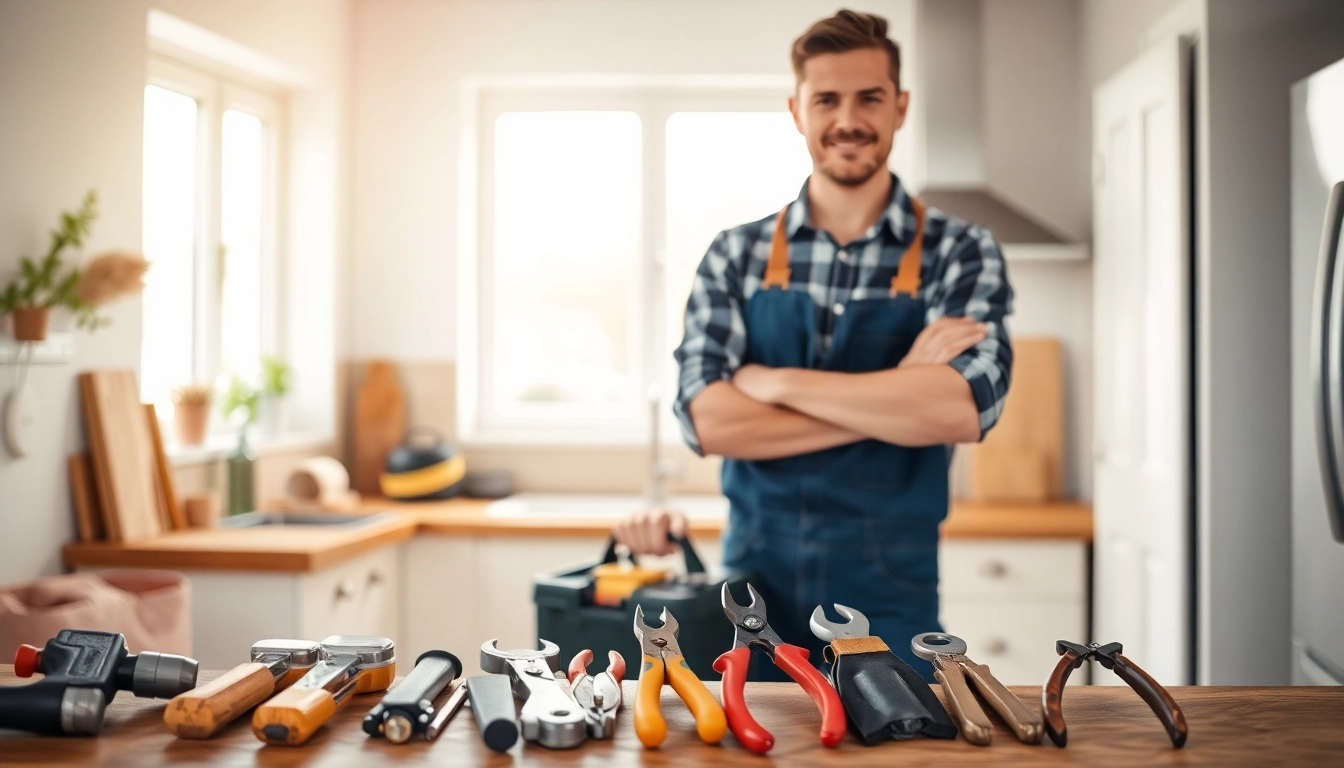
Understanding the Role of a Handyman
In today's fast-paced world, homeowners often find themselves in need of assistance for various maintenance and repair tasks around the house. Enter the handyman—a versatile professional with a wide range of skills designed to handle minor repairs, improvements, and maintenance jobs that are essential for home upkeep. From fixing leaky faucets to assembling furniture, a handyman offers invaluable services that can save homeowners time and stress. For those seeking reliable services, it's essential to know the scope of what a handyman can do and how to leverage these services effectively.
What Services Can a Handyman Provide?
Handymen are equipped to handle a plethora of tasks that fall under general home maintenance and repair. Here are some common services offered:
- Plumbing Repairs: Fixing leaks, unclogging drains, and installing new fixtures.
- Electrical Work: Replacing light switches, outlets, and ceiling fans; though, complex electrical work should be referred to specialists.
- Painting and Drywall: Interior and exterior painting, patching drywall, and minor reconstructive work.
- Carpentry: Building or repairing cabinets, shelves, and furniture.
- General Maintenance: Seasonal maintenance tasks, such as gutter cleaning, yard work, and power washing.
- Home Improvement Projects: Installing flooring, backsplashes, and other aesthetic upgrades.
With a versatile skill set, they are able to address many of the common inconveniences homeowners face without the need to hire multiple specialists.
When to Hire a Handyman vs. a Specialist
Understanding when to hire a handyman rather than a specialist can save both time and money. Here are some guidelines to consider:
- Minor Repairs: For simple fixes like a dripping faucet or a squeaky door, a handyman is ideal.
- Multiple Projects: If you have several small tasks, hiring a handyman can be more efficient than scheduling multiple specialists.
- Basic Knowledge: Handymen possess foundational knowledge in various trades, making them suited for non-complex tasks.
- Specialized Needs: When a task requires specialized skills, such as significant electrical work or plumbing, it’s best to hire a licensed expert.
By recognizing the differences, homeowners can make informed decisions that best suit their repair needs.
Key Qualities to Look for in a Handyman
Finding a reliable handyman involves more than just a quick search online. Here are key qualities to look for:
- Experience and Expertise: Look for a handyman with proven experience in the type of work you need.
- Licensing and Insurance: Ensure they hold the appropriate licenses and insurance to protect against any accidents.
- References and Reviews: Check for customer reviews or ask for references to gauge reliability and quality.
- Flexibility: A good handyman should be able to adapt to different tasks and schedules.
- Communication Skills: They should clearly explain what the job entails and communicate effectively throughout the process.
Ensuring these traits will lead to a successful and pleasant working relationship.
Finding the Right Handyman for Your Needs
Identifying the right handyman for your home can feel daunting, especially with so many options available. However, conducting proper research can lead to finding the perfect match. Let’s explore some actionable steps.
How to Evaluate Potential Candidates
When evaluating candidates, consider the following strategies:
- Online Research: Use reputable sites to look for local handymen, read reviews, and compare services.
- Referrals: Ask friends, family, and neighbors if they can recommend a reliable handyman.
- Interviews: Speak with potential candidates to discuss your needs, their experiences, and their approach to similar projects.
- Estimates: Request estimates from several handymen for transparency regarding pricing and services provided.
By following these steps, you can narrow down your options to find a handyman that fits your needs.
Questions to Ask Before Hiring a Handyman
Having a checklist of questions can be crucial when hiring a handyman:
- What types of projects do you specialize in? This will help match their expertise with your needs.
- Can you provide references or reviews? Hearing from past customers can give insights into their reliability.
- Are you licensed and insured? Validate that they are properly credentialed to operate.
- What is your expected timeline for this job? This helps to assess their scheduling and availability.
- What payment options do you accept? Discuss how payment will be handled to avoid confusion later.
These questions ensure you are fully informed and can eliminate candidates who don’t meet your expectations.
Where to Find Reliable Handyman Services
Finding trustworthy handyman services can be as simple as knowing where to look:
- Online Listing Services: Websites like HomeAdvisor, Angie's List, or Yelp can help in finding local handymen with user reviews.
- Social Media Groups: Community groups on platforms like Facebook can offer firsthand recommendations.
- Local Hardware Stores: Employees often know reputable handymen in the community.
- Word of Mouth: Ask around your neighborhood for suggestions based on personal experiences.
Utilizing these resources increases the chances of finding a reliable handyman suited to your needs.
Cost Considerations for Handyman Services
The cost of hiring a handyman varies significantly based on several factors. Understanding these aspects can help homeowners budget effectively for maintenance and repairs.
Typical Rates for Handyman Services
Generally, handyman services charge between $50 to $100 per hour, depending on geographical location, the complexity of the job, and the handyman’s experience. Some may offer flat rates for specific tasks like painting a room or installing fixtures. Always clarify the pricing structure upfront to prevent misunderstandings.
Factors That Influence Pricing
Several factors can affect the cost of handyman services:
- Location: Urban areas tend to have higher rates due to demand and living costs.
- Job Complexity: More intricate tasks requiring specialized skills will naturally incur higher fees.
- Material Costs: If the handyman needs to provide materials, expect additional costs in your estimate.
- Travel Time: Some handymen might charge for travel time depending on distance.
Awareness of these factors can aid in planning your budget and selecting the best value for your project.
How to Get the Best Value for Your Money
Getting the most out of your investment is key to successful handyman projects:
- Comprehensive Estimates: Always request detailed estimates that outline labor and material costs.
- Bundling Services: If you have multiple tasks, inquire about discounts for bundled services.
- Clear Communication: Discuss your expectations thoroughly to avoid additional costs down the line.
- Verify References: Collect feedback from previous clients to gauge quality and reliability.
By following these strategies, homeowners can ensure they maximize the value derived from handyman services.
Common Handyman Tasks and Projects
Handymen are essential for performing a variety of tasks that help maintain and improve your home. Familiarizing yourself with common tasks can better prepare you to utilize their services efficiently.
Basic Repairs Every Homeowner Should Know
Here are some fundamental repairs that a handyman can help with:
- Leaky Faucets: A common annoyance that can waste water and lead to higher utility bills.
- Broken Tile Replacements: Repairing or replacing broken tiles in kitchens or bathrooms keeps spaces functional and aesthetically pleasing.
- Door Adjustments: Fixing misaligned doors or creaky hinges can improve security and accessibility.
These basic repairs are not only easy to overlook but can also compound issues if not addressed in a timely manner.
Seasonal Maintenance Projects
It’s advisable to have seasonal tasks scheduled to prevent major mishaps later. Here are a few tasks worth considering:
- Gutter Cleaning: Clearing debris ensures proper drainage during heavy rains.
- Yard Maintenance: Regularly scheduled yard upkeep promotes a healthy outdoor environment.
- Winter Prep: Tasks such as weather-stripping doors or insulating pipes can save energy costs in colder months.
By planning seasonal maintenance, homeowners can prevent costly repairs and improve the longevity of their properties.
Upgrades and Renovations to Enhance Your Home
Handymen also assist with upgrades that can significantly improve your home’s functionality and appeal:
- Bathroom and Kitchen Upgrades: Simple updates like new fixtures can drastically change the look and feel.
- Smart Home Installations: Assistance with installing smart devices for enhanced home control.
- Outdoor Improvements: Building decks or adding landscaping features enhances outdoor livability.
These projects not only elevate your living space but can also increase property value.
Maintaining a Good Relationship with Your Handyman
The relationship between a homeowner and a handyman can be critical in ensuring continued satisfaction with the services rendered. Here are strategies for maintaining effective communication and collaboration.
Communicating Your Needs Effectively
Clear communication is vital for ensuring your handyman understands exactly what is expected. Here are some tips:
- Be Specific: Describe your project in detail, providing context that may be important.
- Use Visual Aids: Photos or sketches can help convey your vision more effectively.
- Be Open to Feedback: Listen to their recommendations; they may suggest valuable enhancements.
Effective communication can ensure projects unfold smoothly with minimal misunderstandings.
Setting Clear Expectations
Having a clear set of expectations from the outset can pave the way for a positive experience:
- Discuss Timelines: Clarify deadlines and agree on realistic timeframes for task completion.
- Outline Payment Terms: Be explicit about payment structures and any upfront costs.
- Follow-Up Process: Discuss how you will handle follow-ups in case additional repairs are needed.
Setting these expectations ensures everyone remains on the same page throughout the project.
Understanding Payment and Invoicing
Financial transparency is crucial in maintaining trust. To ensure a smooth transaction:
- Request Itemized Invoices: Understand what you're paying for at each stage of the job.
- Explore Payment Options: Know what methods the handyman accepts and discuss payment timelines.
- Discuss Additional Costs: Be aware of potential extra charges for unforeseen complications.
This financial clarity can prevent awkwardness during payment and foster a trusting relationship.
FAQs
What should I consider when hiring a handyman?
Focus on experience, customer reviews, and the specific services they offer. Ensure they are licensed and insured.
How much do handyman services typically cost?
Rates can vary greatly by location and project complexity, usually ranging from $50 to $100 per hour.
When is it better to hire a specialist instead of a handyman?
Specialists are preferred for complex tasks requiring expertise, such as electrical or plumbing work beyond basic repairs.
What are the benefits of hiring a handyman for home maintenance?
A handyman can efficiently handle multiple small projects, saving you time and providing a single point of contact for home needs.
How can I ensure quality work from my handyman?
Provide clear instructions, ask for references or reviews, and maintain open communication throughout the project.