Understanding Crawl Space Restoration
What is Crawl Space Restoration?
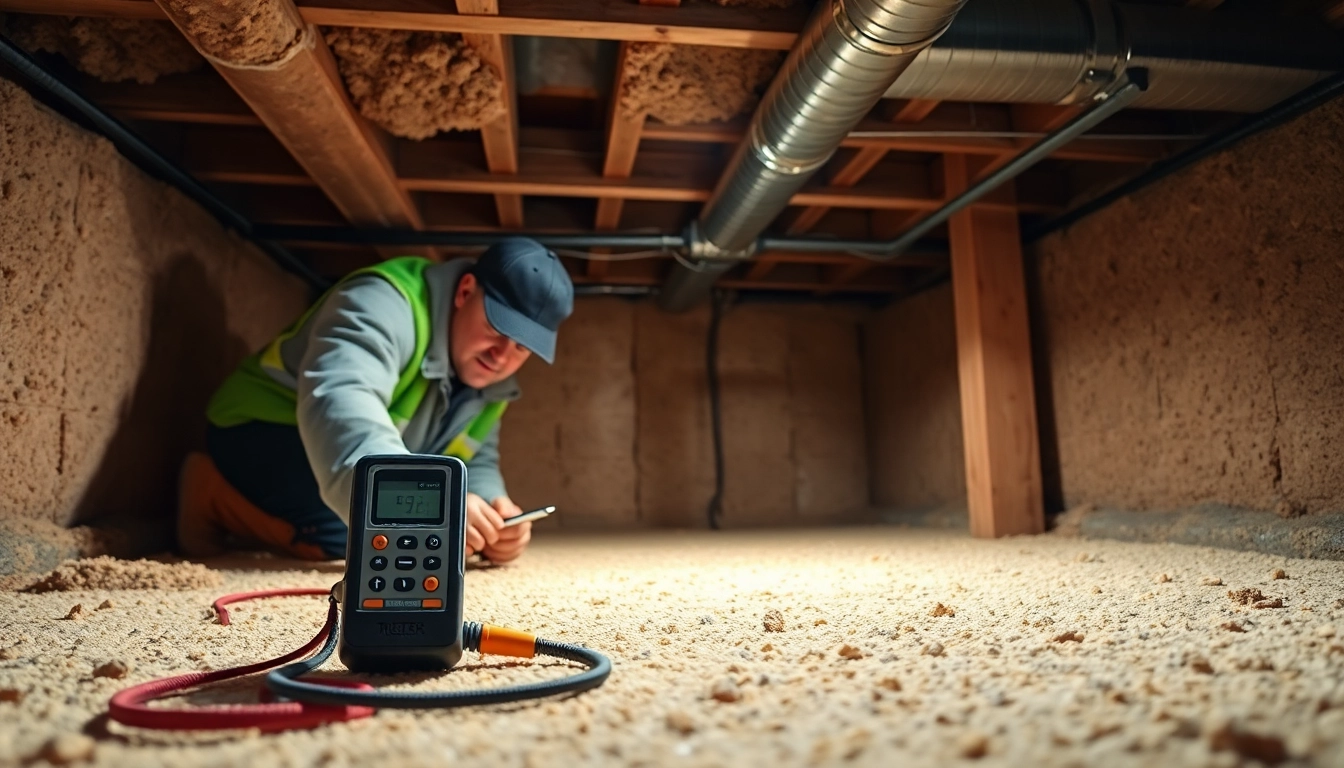
Crawl space restoration refers to the process of repairing, maintaining, and enhancing a crawl space to ensure it remains dry, clean, and structurally sound. This essential aspect of home maintenance not only protects the foundation of your property but also improves indoor air quality and overall home safety. Crawl Space Restoration encompasses various procedures, including waterproofing, insulation, and pest control that collectively ensure the efficient functioning of this often-overlooked area of a home.
Importance of Crawl Space Maintenance
Maintaining a crawl space is crucial for several reasons. It prevents moisture accumulation that can lead to mold and mildew growth. Moreover, a well-maintained crawl space can increase a home's energy efficiency by improving insulation, thus reducing heating and cooling costs. Regular upkeep can also prevent structural problems that may arise from wood rot or pest infestations, safeguarding the integrity of the home.
Common Problems in Crawl Spaces
Several issues can arise in a crawl space, including:
- Water Infiltration: Water can seep into crawl spaces from the ground, leading to dampness and potential mold growth.
- Mold and Mildew Growth: Humidity and moisture create an ideal environment for mold, which can pose health risks.
- Pest Infestations: Rodents, insects, and other pests can invade crawl spaces, causing damage and health concerns.
- Insulation Issues: Poor insulation can lead to increased energy costs and discomfort within the home.
- Structural Damage: Wood rot or deterioration from moisture can compromise the structure of the home.
Signs Your Crawl Space Needs Restoration
Moisture Issues and Mold Growth
Moisture in a crawl space can often indicate a serious issue that requires immediate attention. Signs of excessive moisture may include dampness, wet spots, and puddles. Mold and mildew growth are significant health hazards; their presence typically indicates high humidity levels and infestations in the crawl space.
Structural Damage Signs
Look for structural integrity indicators, such as sagging floorboards, cracks in the walls, or uneven foundations. Often, structural damage stems from prolonged moisture exposure or pest infestations, and addressing these issues early is vital for preventing costly repairs later.
Pest Infestations in Crawl Spaces
Pests, notably rodents and insects, can find their way into crawl spaces and begin to reproduce. Signs of infestation include droppings, sounds (such as scratching or scurrying), and visible nests. Red flags may also include chewed wires or insulation. Immediate intervention can help prevent further damage.
Crawl Space Restoration Techniques
Waterproofing Solutions
Implementing effective waterproofing methods is essential for preventing water ingress in crawl spaces. Techniques can include exterior waterproofing systems, interior drainage systems, and sump pump installations. A well-planned waterproofing strategy can effectively mitigate the risk of water damage and related issues, making it a cornerstone of crawl space restoration.
Insulation Improvement Methods
Improving insulation in the crawl space helps regulate temperature fluctuations within the home and contributes to energy efficiency. Common insulation materials include fiberglass batts, spray foam, or rigid foam boards. Proper installation ensures minimal air leaks, which can make a significant difference in energy consumption and comfort.
Vapor Barrier Installation Steps
The installation of a vapor barrier is a vital step in crawl space restoration. It helps prevent moisture from the ground from entering the crawl space. Installation involves:
- Cleaning the area: Clear the crawl space of debris and dirt.
- Sealing cracks: Fill any gaps or cracks in the foundation walls.
- Selecting the right material: Use a high-quality polyethylene sheet that can endure moisture.
- Covering the ground: Lay down the vapor barrier evenly over the entire crawl space floor.
- Securing the edges: Use tape to seal the overlaps and secure the edges against the walls.
Choosing the Right Restoration Service
Evaluating Service Providers
When selecting a crawl space restoration service, it’s crucial to evaluate potential providers carefully. Check for credentials, experience, and customer reviews. A reputable company should offer a detailed assessment of your crawl space, outlining the problems found and the proposed solutions. Obtaining quotes from multiple contractors can also provide insight into service costs and expected quality.
Cost Considerations for Crawl Space Restoration
The costs involved in crawl space restoration can vary significantly based on the extent of work required. Factors include the size of the crawl space, the severity of the problems, and the materials used. Generally, restoration can range from a few hundred to several thousand dollars depending on specific needs and solutions implemented. It's essential to view this expenditure as an investment in the long-term health of your property.
Understanding Warranties and Guarantees
When choosing a restoration service, ensure a clear understanding of the warranties and guarantees offered on their work. Many reputable companies will provide warranties covering materials and labor for a specified period. This assurance can provide peace of mind and protection against unforeseen issues following restoration.
Maintaining Your Restored Crawl Space
Regular Inspection Practices
Following the restoration of your crawl space, regular inspections are necessary to ensure it remains in good condition. These inspections should focus on checking for signs of moisture, mold, and structural integrity. A thorough examination should be conducted at least once or twice a year, or more frequently in areas with a high humidity climate.
Seasonal Maintenance Tips
Seasonal maintenance can help safeguard against potential issues. During spring and summer, evaluate drainage systems and ensure they function correctly, as rain and snowmelt can introduce moisture challenges. In fall, inspect insulation materials and replace any that show signs of wear. Winter preparations can include monitoring heating systems and ensuring the crawl space remains adequately ventilated to prevent ice formation.
Signs That Further Action is Needed
Be vigilant for early signs indicating the need for further intervention. These may include persistent dampness, recurring mold infestations, strange odors, or visible signs of pests. Addressing these issues promptly will prevent them from developing into more significant problems in the future.
What is Crawl Space Restoration?Crawl Space Restoration involves repairing and maintaining the crawl space to prevent moisture, mold, and structural damage.How can I tell if my crawl space needs restoration?Look for signs like excessive moisture, mold, buckling beams, or any pest presence which may indicate a need for restoration.What are the common crawl space problems?Common issues include water infiltration, mold growth, poor insulation, and pest infestations that can compromise the crawl space's integrity.What techniques are used in crawl space restoration?Techniques include waterproofing, installing vapor barriers, improving insulation, and addressing structural issues to ensure a healthy environment.How do I maintain my restored crawl space?Regular inspections, seasonal maintenance, and monitoring for signs of moisture or pests are essential to keep your crawl space in optimal condition.