Understanding Image to Prompt Technology
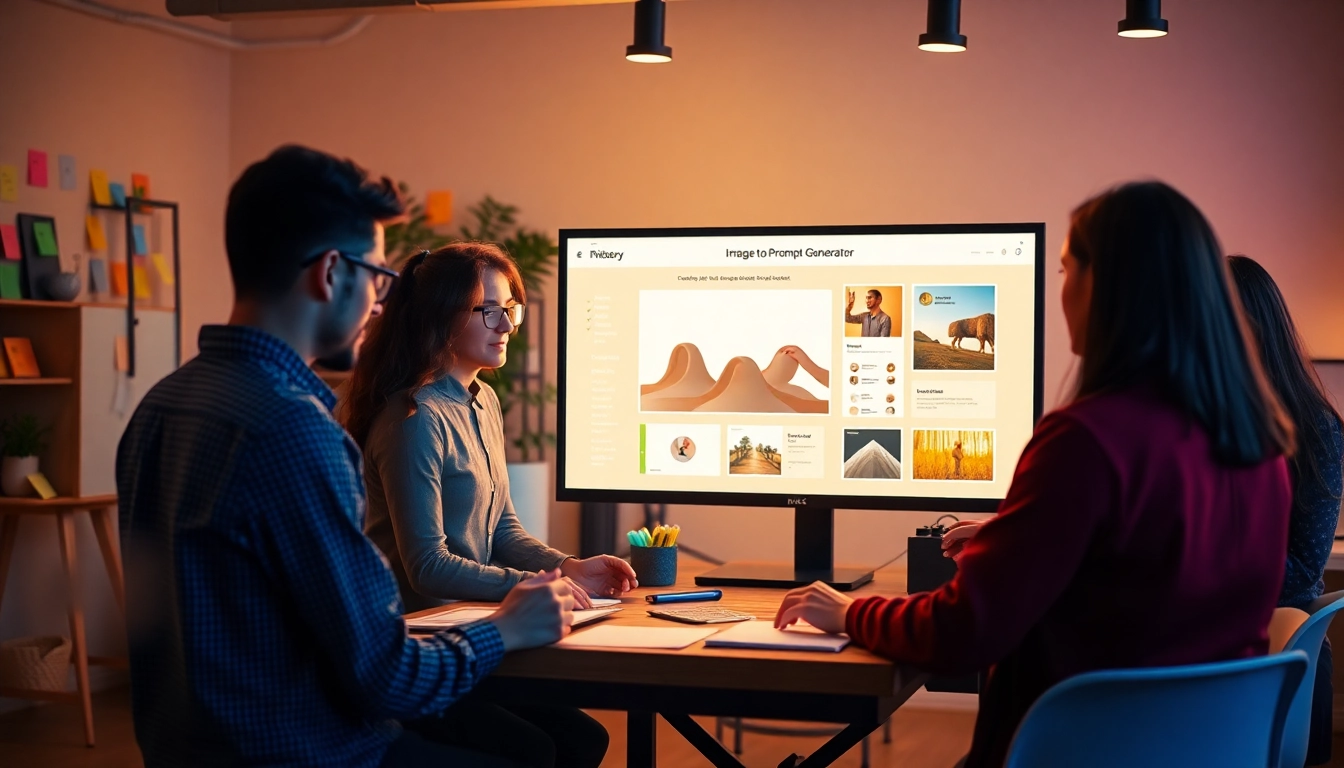
In the rapidly evolving landscape of artificial intelligence, the ability to convert visual data into actionable insights and creative prompts is revolutionizing the way we generate images. An image to prompt generator utilizes advanced algorithms to analyze images and craft detailed textual descriptions that can be used with various AI image generation tools. This technology not only simplifies the creative process but also enhances the capabilities of artists, designers, and content creators by providing them with a new lens through which to view their ideas and inspirations.
What is an Image to Prompt Generator?
An Image to Prompt Generator is an innovative AI tool designed to analyze visual content and convert it into structured text prompts. By scrutinizing various visual elements such as subjects, environmental settings, artistic styles, and nuances of lighting and composition, these generators create detailed textual representations that can be seamlessly integrated with AI image generation platforms like Midjourney, DALL·E, and Stable Diffusion.
How Does It Work? A Deep Dive
At its core, an Image to Prompt Generator employs a combination of computer vision techniques and natural language processing. When an image is uploaded, the tool dissects the image to identify critical components—including objects, colors, textures, and overall atmosphere. This analysis allows it to generate a prompt that encapsulates the essence of the image in natural language. For instance, if a user uploads a photo of a sunset over a mountain range, the tool might produce a prompt describing the colors, the mood, and the scenic elements, enabling an AI model to recreate or build upon that visual context effectively.
Advantages of Using Image to Prompt Tools
- Efficiency: These tools drastically reduce the time and effort needed to conceptualize prompts for AI image generation.
- Accessibility: They open up creative possibilities for users with varying levels of artistic skills, allowing anyone to generate compelling visual content.
- Customization: Users have the flexibility to refine generated prompts according to their specific needs, styles, and preferences.
- Enhanced Creativity: By providing different perspectives and descriptions, these tools can inspire users to explore new ideas and artistic directions.
How to Use the Image to Prompt Generator
Step-by-Step Guide for Beginners
Using an Image to Prompt Generator is straightforward and user-friendly. Here’s a simple guide to enhance your experience:
- Upload Your Image: Select or drag and drop the desired image into the designated area (supported formats include PNG, JPG, or WEBP).
- Generate Prompt: Click the "Generate Prompt" button. The system will analyze your image.
- Receive and Refine: After a few moments, you’ll receive a detailed prompt. Feel free to edit this prompt to better fit your creative vision.
- Use It: Copy the generated prompt and use it in your preferred AI image generation tool.
Best Practices for Effective Prompt Generation
To maximize the potential of your generated prompts, consider the following best practices:
- Be Specific: The more specific the image, the richer the prompt will be. Ensure that the image you upload contains clear elements.
- Experiment: Don’t hesitate to try different images to see how various subjects alter the generated prompts.
- Refine Your Prompts: After generation, tweak the prompt to align with your unique stylistic preferences or narrative goals.
Common Mistakes to Avoid When Using Image to Prompt
A few common pitfalls can undermine the effectiveness of your experience with image to prompt generators:
- Using Low-Quality Images: Blurry or poorly lit images may lead to vague or inaccurate prompts.
- Overlooking the Details: Not taking advantage of the generation options—such as adjusting for specific AI tools—can limit the potential of your results.
- Ignoring Feedback: Users often overlook the importance of reviewing feedback on generated prompts. Adjusting based on this input can yield better outcomes.
Optimizing Prompts for Various AI Models
Creating Prompts for Midjourney and DALL·E
Each AI model has its unique interpretation style and requirements. When crafting prompts for Midjourney or DALL·E, ensure you focus on artistic tone and visual specifics:
- Midjourney: This model thrives on stylistic prompts. Incorporating terms related to lighting and artistic movement can enhance output.
- DALL·E: Emphasize detailed environmental descriptions and emotional tones to guide the generated images toward more complex scenes.
Tailoring Prompts for Flux and Gemini Usage
For users interested in leveraging Flux and Gemini, understanding their distinct frameworks can significantly enhance prompt efficacy:
- Flux: A focus on structured prompts works best here. Utilize the unique parameters provided by the platform to fine-tune your requests.
- Gemini: This model can benefit from well-rounded, descriptive language that captures both visual and thematic elements.
Example Prompts for Different Styles and Genres
Generating a variety of prompts can help cater to specific artistic styles or projects:
- Cinematic Style: "A young woman in a stylish trench coat, silhouetted against a cityscape at sunset, with neon lights reflecting off glass, immersed in a moody atmosphere."
- High Fantasy: "A curious girl in a flowing red cloak, approaching a shimmering unicorn in a mystical forest filled with bioluminescent plants under a soft magical light."
- Vintage Aesthetic: "A cozy scene in a 1950s Parisian cafe featuring a couple engrossed in conversation, warm lighting accentuating their intimate space."
User Experiences and Testimonials
Real User Reviews of Image to Prompt
User feedback plays a crucial role in refining and enhancing the capabilities of image to prompt generators. Here are some real-world reviews:
"This is just amazing! Show it a picture of anything, and it will generate a prompt for it. 5 STAR ⭐️⭐️⭐️⭐️⭐️!" – A satisfied user.
"Consistently produces high-quality descriptions that work well with AI image generators. This application has been a game-changer for my creative projects!" – Another enthusiastic review.
Case Studies: Success Stories Using Image to Prompt
Several creators have shared their success stories, showcasing how the Image to Prompt Generator transformed their workflow:
- Graphic Designers: Many designers report that they can now generate prompt drafts in seconds, streamlining their creative processes.
- Content Creators: Writers and digital artists utilize generated prompts to develop richer narratives and visuals for their projects, resulting in more engaging content.
Feedback: What Users Wish to See Improved
While the Image to Prompt Generator has garnered positive attention, users have also provided constructive feedback for future improvements:
- More Customization Options: Some users express a desire for tools that allow deeper customization of the tone and style of generated prompts.
- Increased Compatibility: Users are suggesting expanded support for additional image formats and more AI image generation platforms.
The Future of Image to Prompt Technology
Predictions for 2026 and Beyond
As we look towards the future, the technology behind image to prompt generation is anticipated to advance significantly:
- Improved Accuracy: Enhanced algorithms will likely lead to even more precise and contextually relevant prompt generation.
- Integration with Augmented Reality: Future developments may see these tools employed within AR/VR environments, creating immersive experiences based on user-generated prompts.
Emerging Trends in AI Image Generation
The landscape of AI image generation is continuously evolving, with several emerging trends shaping its future:
- Collaborative AI: Integration of AI tools that work together to produce complex multimedia works.
- Sustainability in AI: Future models will likely focus on energy efficiency and minimizing the carbon footprint associated with AI processing.
How Image to Prompt Fits into the AI Landscape
As AI continues to permeate various aspects of creative industries, image to prompt technology will play a central role in bridging the gap between human creativity and machine learning capabilities. By providing a streamlined way to transform visual ideas into actionable prompts, this technology not only enhances artistic expression but also paves the way for greater innovation in AI-generated content. As we advance towards 2026, the integration of these tools within collaborative ecosystems holds the promise of redefining how creators interact with technology to produce extraordinary visual narratives.