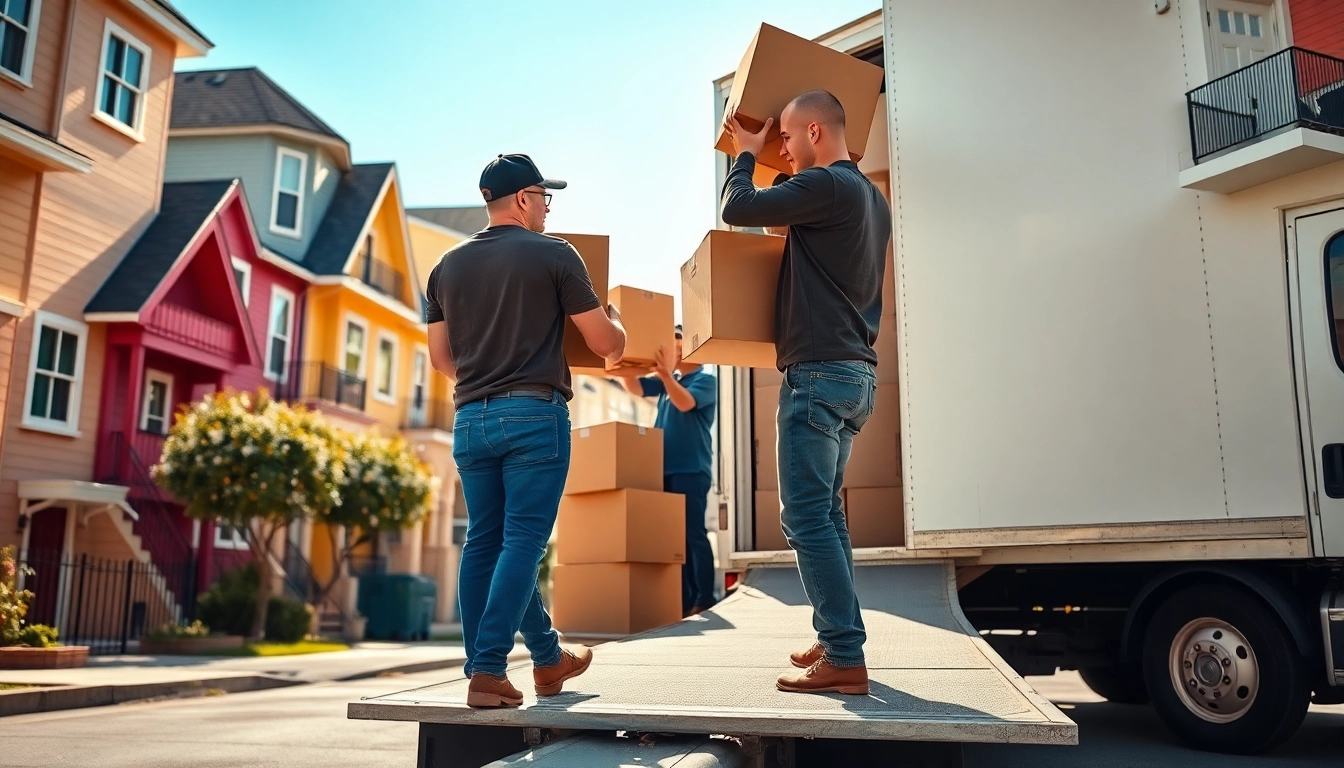
Understanding Residential Moving
What is residential moving?
Residential moving refers to the process of relocating personal belongings and household items from one residence to another. This can involve anything from a simple apartment transfer to a more complex move involving entire houses. The process can encompass a variety of tasks, such as packing up belongings, transporting them, and unpacking at the new location. It often requires careful planning and organization to ensure that everything goes smoothly. For many individuals and families, residential moving can be a significant life event filled with both excitement and stress.
Common reasons for residential moving
There are numerous reasons why individuals and families may decide to move. These reasons can vary greatly from one person to another. Some of the most common reasons for residential moving include:
- Job Relocation: A new job or a transfer within an existing employment can prompt a move, often to a new city or state.
- Family Growth: Expanding families often seek larger homes to accommodate new members, whether through birth, adoption, or bringing in relatives.
- Downsizing: As children leave home, older adults may choose to sell their larger homes and move into smaller, more manageable spaces.
- Lifestyle Changes: Changes in lifestyle, such as retirement or the desire for a changing environment, can motivate a residential move.
- Cost of Living: Many people move to find more affordable housing options, whether to save money or to improve their quality of life.
Benefits of hiring professional movers
Hiring professional movers can alleviate much of the stress associated with residential moving. Some key benefits include:
- Expertise: Professional movers have extensive experience and knowledge about packing, loading, and transporting items safely.
- Efficiency: Movers work quickly and efficiently to minimize the amount of time you spend in transition.
- Equipment: Professional moving companies have specialized equipment to assist with heavy lifting and transporting items securely.
- Insurance: Many movers offer insurance options that cover any potential damage during the move, providing peace of mind.
- Convenience: With professionals handling the logistics, you have more time to focus on settling into your new home.
Planning Your Move
Creating a moving checklist
A well-organized moving checklist is essential for ensuring that you don’t overlook important tasks during your residential moving process. Here’s how to create an effective checklist:
- Timeline: Establish a timeline for your move, noting major deadlines—when to start packing, when to hire movers, etc.
- Inventory: Make a detailed inventory of all your belongings, noting which items will be moved and which can be sold, donated, or discarded.
- Utilities: Remember to schedule disconnection and reconnection of utilities such as electricity, water, and internet services.
- Address Change: Prepare a list of organizations and institutions that need to be notified of your address change.
- Supplies: List all packing supplies you’ll require, including boxes, tape, and bubble wrap.
Estimating moving costs
Understanding the costs associated with your move can prevent surprises. Here’s a breakdown to help estimate moving costs:
- Professional Moving Fees: Get quotes from several moving companies based on your inventory and the distance of your move.
- Supplies: Calculate costs for boxes, tape, bubble wrap, and other packing materials.
- Travel Costs: If you are moving long distances, factor in the costs of traveling to your new home, including gas and lodging if applicable.
- Insurance: Consider the cost of moving insurance if your movers do not provide adequate coverage.
Choosing the right moving date
Selecting the right moving date can influence costs and availability. Consider the following factors:
- Peak Seasons: Summer is a popular time for moving, leading to higher costs and greater demand for movers. Off-peak seasons (fall and winter) may offer better rates.
- Weekdays vs. Weekends: Moving during the week usually allows for more flexible scheduling and potentially lower costs.
- Local Events: Avoid scheduling your move during local festivals or events that may cause increased traffic or logistics challenges.
Packing for a Residential Move
Best packing materials and supplies
Choosing the right packing supplies can minimize damage and make packing easier. Here’s a list of essential packing materials:
- Boxes: Use various sized boxes. Sturdy, double-walled boxes are best for heavy items.
- Bubble Wrap: Ideal for wrapping fragile items, preventing breakage during transit.
- Packing Paper: Useful for wrapping and padding items, particularly dishes and glassware.
- Labels: Clear labeling will help you find items easily when unpacking in your new home.
- Tape: Heavy-duty tape is essential to secure boxes and prevent them from opening during the move.
Room-by-room packing strategy
Following a room-by-room strategy is an effective way to organize your packing process:
- Start Early: Begin packing non-essential items several weeks before your move.
- Pack Room by Room: Focus on one room at a time to avoid mixing items and make unpacking easier.
- Packing Essentials Box: Create a box of essential items for each family member that contains necessities for the first few days in the new home.
Labeling and inventory tips
Proper labeling is crucial for a smooth unpacking experience. Here are some tips:
- Color Coding: Use different colors for various rooms or categories to easily identify boxes upon arrival.
- Detailed Labels: Write a brief description of the contents on each label, which will help you locate items quickly.
- Inventory List: Maintain an inventory list that matches your packed boxes, making it easier to keep track of everything.
Executing the Move
Day-of moving logistics
The day of the move can often be chaotic. Preparing logistical details can help everything go smoothly:
- Confirm the Moving Crew: Confirm timings with your movers so that everyone is on the same page.
- Directing the Move: Be present to supervise the loading and unloading of items, ensuring that everything is handled properly.
- Fit for Travel: Inspect your items before loading to ensure that they are packed securely and safely.
Safety tips during the move
Safety is paramount during a move. Here are some key safety tips to consider:
- Lifting Techniques: Always use proper lifting techniques to avoid injury—lift with your legs, not your back.
- Clear Pathways: Keep walkways clear of obstacles to prevent tripping or falling.
- Buddy System: Work with a partner when handling heavy or awkward items to minimize risk.
Coordination with movers
Effective communication with movers can streamline the process. Tips for coordination include:
- Pre-Move Discussion: Discuss specific requirements or concerns with your movers prior to the moving day.
- Designate a Point of Contact: Assign a responsible person to communicate with the moving team to streamline communication.
- Be Available: Ensure that someone is available on moving day to answer questions and provide direction.
Post-Move Tips
Unpacking efficiently
Once you arrive at your new home, unpacking efficiently will help you settle in faster:
- Start with Essentials: Begin unpacking essential boxes first to have immediate access to necessary items.
- Room by Room: Continue with the room-by-room approach, unpacking items where they will ultimately belong.
- Dispose of Boxes: As you unpack, break down boxes immediately to create more space and minimize clutter.
Settling into your new home
Settling into a new home can take time. Here are a few tips to help you adjust:
- Explore the Neighborhood: Take the time to walk around and discover local parks, stores, and amenities.
- Meet the Neighbors: Introduce yourself to your neighbors. Building connections can enhance your community experience.
- Create a Comfortable Environment: Personalize your space with decorations and furniture that reflect your style.
Updating your address and utilities
Once you have moved, updating your address is crucial to ensure continuity of services:
- Utilities: Schedule to have utilities connected in your new home and schedule disconnections at your previous residence.
- Change of Address: Submit a change of address form to your local postal service and notify banks, subscriptions, and crucial services of your new address.
- Online Services: Update your address on any online retail platforms or memberships to avoid delivery issues.
Frequently Asked Questions
1. What should I do first when planning a residential move?
Start by creating a detailed moving checklist and establishing a timeline that works for you and your family.
2. How do I estimate moving costs?
Get quotes from moving companies, consider travel costs, packing materials, and potential insurance to get a complete estimate.
3. How far in advance should I start packing?
Begin packing non-essential items at least 4-6 weeks before your move, allowing ample time without rushing.
4. What should I pack first?
Pack items you use less frequently first, like seasonal clothing or books, and leave daily essentials until the end.
5. How can I make unpacking easier?
Label boxes clearly and unpack room by room, starting with essentials to create a livable space quickly.