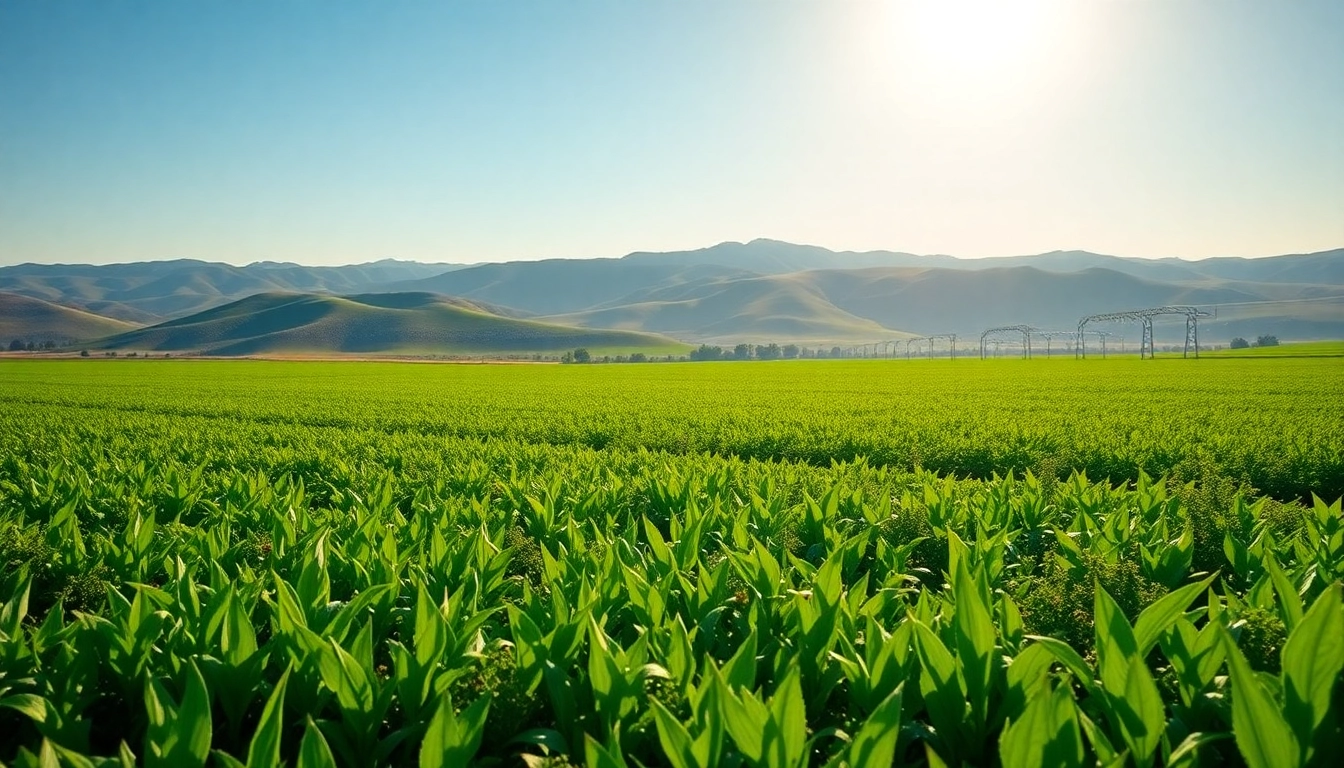
Understanding Land Irrigation
Land irrigation is a crucial aspect of modern agriculture, enabling farmers to cultivate crops effectively by supplying adequate water. This method not only enhances productivity but also contributes to sustainable farming practices. By understanding the principles and techniques related to land irrigation, farmers can optimize their agricultural output and conserve vital water resources.
The Importance of Efficient Land Irrigation
Efficient land irrigation plays a significant role in maximizing agricultural yield. With changing climate patterns and increased competition for water resources, adopting efficient irrigation methods ensures that crops receive the necessary hydration without wasting valuable water. High-efficiency systems can lead to:
- Improved crop yields and quality
- Reduced water consumption and lower operational costs
- Minimized risk of soil erosion and salinization
- Enhanced resilience to drought and fluctuations in rainfall
Types of Land Irrigation Methods
Various irrigation methods cater to different agricultural needs, particularly based on soil type, crop choice, and availability of water resources. The most common methods include:
- Surface Irrigation: Water is applied directly to the soil surface and moves through gravity. This method includes furrow, basin, and flood irrigation.
- Drip Irrigation: A precise method that delivers water directly to the roots of plants, minimizing waste.
- Sprinkler Irrigation: Water is distributed as droplets through pipes and is ideal for large areas.
- Subsurface Irrigation: Water is applied below the soil surface through a network of tubes or channels.
Soil Types and Their Irrigation Needs
Understanding the soil type is essential for effective irrigation planning. Different soil types have varying water retention capacities and drainage characteristics:
- Sandy Soil: This type drains quickly and requires frequent watering, ideally with drip irrigation.
- Clay Soil: Retains moisture but can become waterlogged; appropriate scheduling is crucial to avoid saturation.
- Silty Soil: A balance between sand and clay, this soil retains moisture well and requires moderate irrigation.
- Loamy Soil: The ideal soil type for most crops, providing good drainage and moisture retention.
Planning Your Land Irrigation System
Effective land irrigation starts with careful planning. Farmers need to assess their needs, resources, and the technologies available to them.
Assessing Water Sources for Land Irrigation
Identifying available water sources is the first step in developing an irrigation plan. Sources may include:
- Surface Water: Rivers, lakes, and reservoirs.
- Groundwater: Wells and aquifers.
- Rainwater Harvesting: Collecting and storing rain for irrigation use.
Each water source has its benefits and limitations, and farmers must evaluate factors such as water quality, availability, and legal regulations governing its use.
Designing an Effective Irrigation Layout
A well-designed irrigation layout optimizes water distribution and ensures that all areas of a farm receive the requisite hydration. Key considerations include:
- Field topography and slope
- Soil characteristics and crop placement
- The type of irrigation system selected
Properly designed layouts can significantly reduce labor costs and improve overall irrigation efficiency.
Choosing the Right Equipment for Land Irrigation
The selection of irrigation equipment is vital to the success of a land irrigation system. Factors to consider include:
- Type of Irrigation System: Each method has specific equipment needs, from hoses and emitters for drip systems to pumps and distribution pipes for sprinklers.
- Automation: Incorporating automation can enhance efficiency through scheduled watering and moisture monitoring.
- Reliability and Maintenance: Choose equipment that requires minimal maintenance and has a solid track record of reliability.
Implementing Advanced Land Irrigation Techniques
With advancements in technology, farmers can adopt innovative irrigation techniques that maximize efficiency and sustainability.
Drip Irrigation: Precision Watering
Drip irrigation is one of the most efficient water delivery systems available. It involves using a network of tubing and emitters to deliver water directly to the plant roots. Key benefits include:
- Reduces water usage by up to 50% compared to traditional methods
- Minimizes weed growth by directing water to the plants
- Improves nutrient uptake through controlled applications
Sprinkler Systems for Large Areas
Sprinkler irrigation is ideal for larger fields and gardens. This method distributes water as droplets through the air, mimicking rainfall. Benefits include:
- Uniform water distribution
- Ability to cover irregularly shaped fields
- Efficient for both crops and lawns
However, it’s crucial to account for factors such as wind, evaporation, and droplet size to prevent waste.
Sustainable Practices in Land Irrigation
Sustainability in land irrigation focuses on conserving water and enhancing soil health. Strategies include:
- Utilizing rainwater harvesting techniques
- Implementing soil moisture sensors to monitor irrigation needs
- Adopting crop rotation and cover cropping to improve soil fertility
Common Challenges in Land Irrigation
Despite its benefits, land irrigation also faces challenges that farmers must navigate effectively to ensure sustainable practices.
Water Availability Issues
In many regions, water scarcity is a primary concern due to over-extraction, climate change, and rising demand. Solutions include:
- Implementing efficient irrigation systems to reduce waste
- Exploring alternative water sources such as treated wastewater
- Utilizing moisture-retaining agricultural practices
Managing Soil Erosion from Irrigation
Improper irrigation techniques can lead to soil erosion. Best practices to mitigate this risk include:
- Implementing contour farming and terracing
- Cover cropping to protect soil surfaces
- Using mulch to enhance soil structure
Adapting to Climate Change Effects
Climate change poses unique challenges for irrigation. Adaptation strategies can include:
- Adjusting irrigation schedules based on real-time weather data
- Investing in drought-resistant crop varieties
- Participating in water conservation programs
Measuring Success in Land Irrigation
To ensure the effectiveness of irrigation practices, it is crucial to track and evaluate performance metrics.
Metrics for Evaluating Irrigation Efficiency
Farmers can measure the success of their irrigation systems through various metrics, including:
- Uniformity of water distribution
- Water use efficiency (WUE)
- Crop yield per water unit applied
Improving Yields through Strategic Irrigation
Strategic irrigation planning leads to increased yields. Considerations include:
- Adjusting application rates based on plant growth stages
- Integrating nutrient delivery systems with irrigation to boost growth
- Utilizing precision farming technologies to facilitate decision-making
Case Studies: Successful Land Irrigation Practices
Examining successful case studies can provide valuable insights. For instance, a farm that implemented a drip irrigation system reported a:
- 20% increase in vegetable yield
- Significant reduction in water usage
- Improved soil health and reduced erosion risks
Such evidence highlights the potential of advanced irrigation methods in promoting sustainable agriculture.
FAQs about Land Irrigation
What is land irrigation?
Land irrigation is the deliberate application of water to soil to assist in the growing of crops and vegetation.
Why is efficient irrigation important?
Efficient irrigation helps conserve water, lowers costs, and increases crop yield and quality.
What are the main types of irrigation methods?
The primary types are surface irrigation, drip irrigation, sprinkler irrigation, and subsurface irrigation.
How can I assess my water sources for irrigation?
Evaluate surface water, groundwater, and rainwater availability, considering legal regulations and quality.
What role does soil type play in irrigation?
Soil type affects water retention and drainage; understanding it helps farmers choose the right irrigation method.