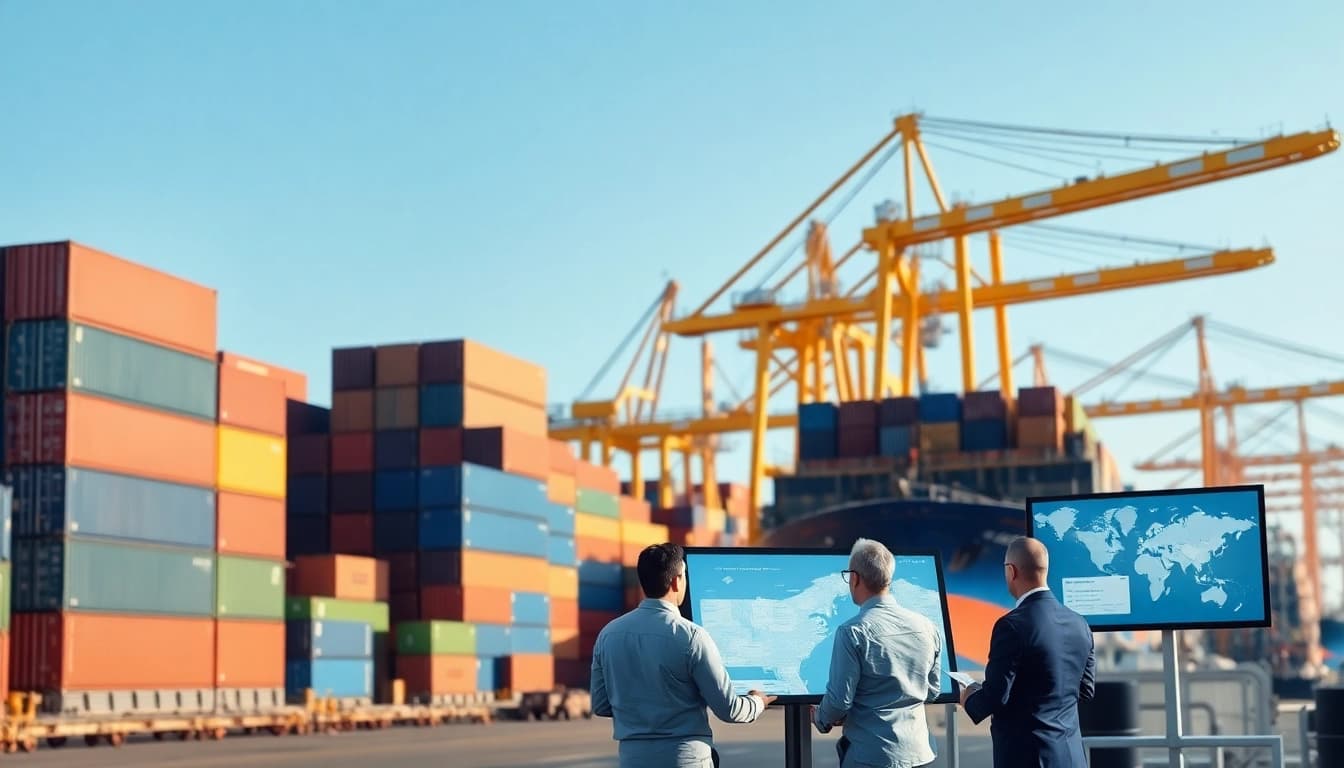
Understanding Sea Freight Services
In the realm of global trade, Sea Freight Services play a pivotal role. These services enable businesses to transport goods efficiently across vast distances, connecting suppliers and consumers through the world's oceans. As international shipping demands continue to grow, understanding the nuances of sea freight becomes essential for businesses looking to expand their market reach. This guide will delve into what sea freight services entail, highlighting their benefits, terminology, and the various service types available to meet diverse shipping needs.
What are Sea Freight Services?
Sea freight services refer to the transportation of goods via cargo ships across oceans and seas. This method of shipping is frequently employed for bulk commodities, large shipments, and items that do not require immediate delivery. Sea freight can be categorized into two main types: Full Container Load (FCL) where entire containers are utilized for a single shipment, and Less than Container Load (LCL) which consolidates multiple shipments into one container. The choice between these two types depends on the volume of goods being shipped and the cost considerations of the sender.
Benefits of Choosing Sea Freight
- Cost-Effective: Sea freight is typically more economical than air freight, especially for large shipments. The cost savings can be substantial, making it a preferred choice for many businesses.
- High Capacity: Cargo ships can carry thousands of tons of goods, accommodating a wide range of products from raw materials to finished goods.
- Environmentally Friendly: Shipping by sea is generally more sustainable compared to air transport, resulting in a lower carbon footprint.
- Versatility: Sea freight can handle various types of cargo by utilizing different shipping methods such as FCL, LCL, and specialized containers for sensitive goods.
Common Sea Freight Terms Explained
Understanding shipping terminology is crucial for businesses engaging in international trade. Common terms include:
- Bill of Lading: A document issued by a carrier to acknowledge receipt of cargo for shipment.
- Incoterms: International commercial terms that define the responsibilities of buyers and sellers in shipping arrangements, such as EXW (Ex Works) and FOB (Free On Board).
- TEU and FEU: Twenty-foot Equivalent Unit (TEU) and Forty-foot Equivalent Unit (FEU) are standard measurements for container capacity.
Types of Sea Freight Services
Full Container Load (FCL) vs. Less than Container Load (LCL)
Choosing between FCL and LCL shipping largely depends on your shipment size and budget. FCL is ideal for larger shipments where the entire container is used solely for one shipment, ensuring a direct route and reduced risk of damage. In contrast, LCL is more suitable for smaller shipments that do not fill an entire container, allowing multiple shippers to share container space and costs. While LCL can be more economical for small to medium-sized shipments, it may take longer due to consolidation and deconsolidation processes.
Break-Bulk and Roll-on/Roll-off Services
Break-bulk shipping involves transporting cargo that is not containerized, such as heavy machinery or oversized items. This method requires careful planning and handling, as these goods are typically loaded and unloaded individually. Roll-on/Roll-off (RoRo) services are specifically designed for wheeled cargo, such as vehicles and industrial equipment. In RoRo shipping, vehicles are driven on and off the vessel, making it an efficient option for transporting automobiles and machinery.
Multi-Modal Freight Forwarding Explained
Multi-modal freight forwarding integrates different transportation methods, such as sea, road, and air, to deliver goods efficiently. By utilizing the strengths of each mode, businesses can optimize their supply chains, reducing transit times and costs. This flexibility is increasingly important in today's fast-paced global market, where timely delivery and cost-efficiency are essential for maintaining competitive advantage.
Choosing the Right Freight Forwarder
Evaluating Carrier Options
Selecting the right carrier is crucial in the freight forwarding process. Factors to consider include the carrier's reputation, reliability, and the range of services offered. Experienced freight forwarders should have established relationships with various carriers, enabling them to negotiate the best shipping rates and ensure your goods are handled properly throughout the journey.
Negotiating Competitive Shipping Rates
Understanding the factors that influence shipping rates can empower businesses to negotiate better deals. Variables include fuel costs, shipping routes, seasonality, and container availability. By working with an experienced freight forwarder, businesses can access competitive rates and take advantage of bulk shipping discounts.
Understanding Freight Forwarding Agreements
A clear and detailed freight forwarding agreement is crucial to avoid misunderstandings and ensure smooth operations. This agreement should outline the responsibilities of each party, shipping details, insurance coverage, and payment terms. Transparency is vital for establishing trust and ensuring compliance with international shipping regulations.
Customs Clearance and Documentation
Essential Customs Documentation for Sea Freight
Successful customs clearance hinges on accurate and complete documentation. Essential documents include the Bill of Lading, commercial invoice, packing list, and any relevant permits or certificates. Ensuring that all necessary paperwork is prepared in advance can expedite the shipping process and minimize the risk of delays at customs.
Understanding Incoterms: EXW vs. FOB
Incoterms define the responsibilities of buyers and sellers in international shipping. EXW (Ex Works) places the maximum responsibility on the buyer, who must handle all shipping logistics. Conversely, FOB (Free On Board) transfers responsibility to the seller for the goods until they reach the shipping vessel. Understanding these terms helps businesses make informed decisions about shipping responsibilities and cost-sharing.
How to Avoid Customs Delays
To prevent customs delays, businesses should ensure all paperwork is complete and accurate. Working with a knowledgeable freight forwarder can mitigate risks, as they are familiar with local customs regulations and can offer guidance on compliance. Additionally, proactively addressing any potential issues, such as ensuring proper tariff classifications and values, can lead to smoother customs clearance.
Future Trends in Sea Freight Services
Emerging Technologies in Freight Forwarding
As the freight forwarding industry evolves, technology continues to play a pivotal role. Innovations such as blockchain for tracking shipments, IoT devices for real-time monitoring, and AI-driven analytics for route optimization are transforming logistics. Embracing these technologies can enhance operational efficiency and improve customer satisfaction.
Sustainability Practices in Shipping
With increasing global attention on environmental impact, the shipping industry is adopting more sustainable practices. Initiatives include reducing carbon emissions through optimized routing, utilizing cleaner fuels, and implementing waste reduction measures. Companies that prioritize sustainability can enhance their brand reputation and appeal to environmentally conscious consumers.
What to Expect in Sea Freight by 2026
By 2026, the sea freight landscape is expected to experience significant changes characterized by further digitalization, stricter regulatory frameworks, and enhanced focus on sustainability. Businesses will need to adapt to these changes by integrating cutting-edge technologies and adhering to new compliance standards to remain competitive in the global market. Understanding these trends will be essential for businesses looking to thrive in the evolving landscape of international shipping.