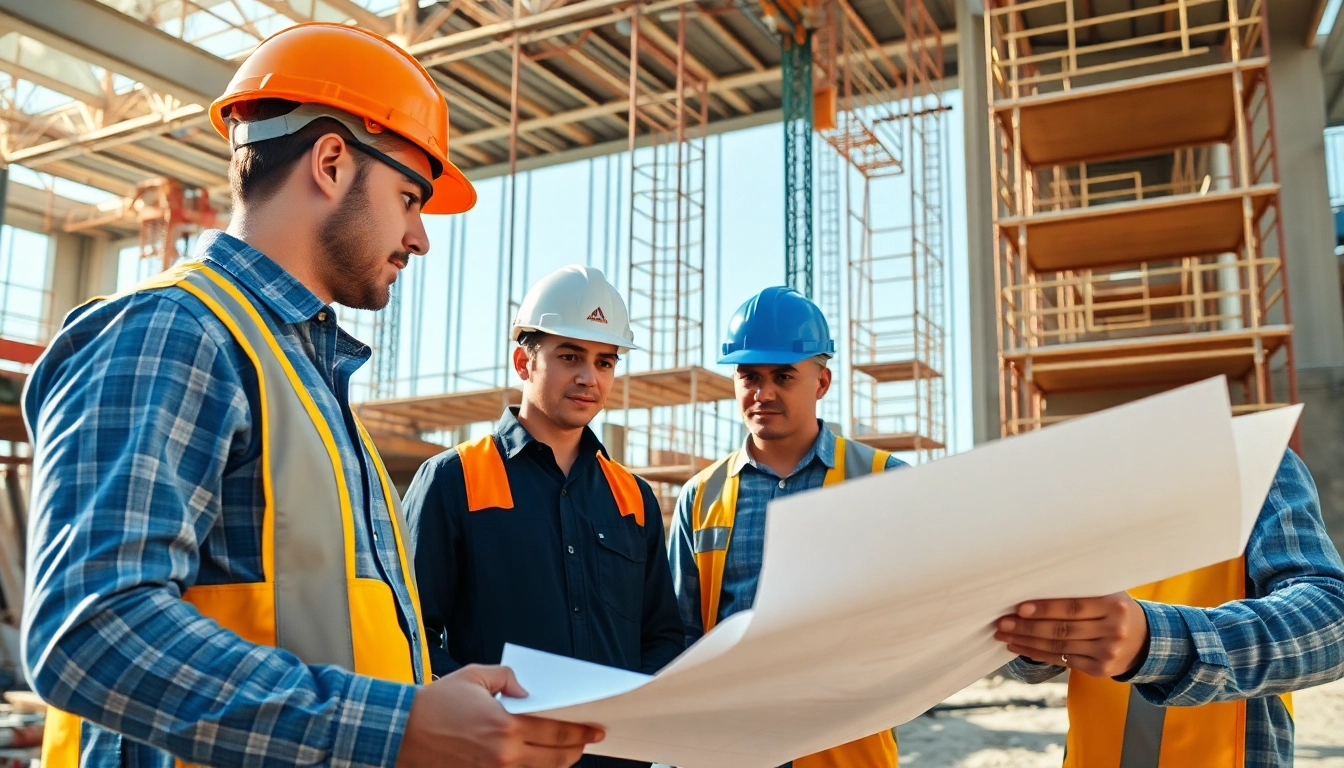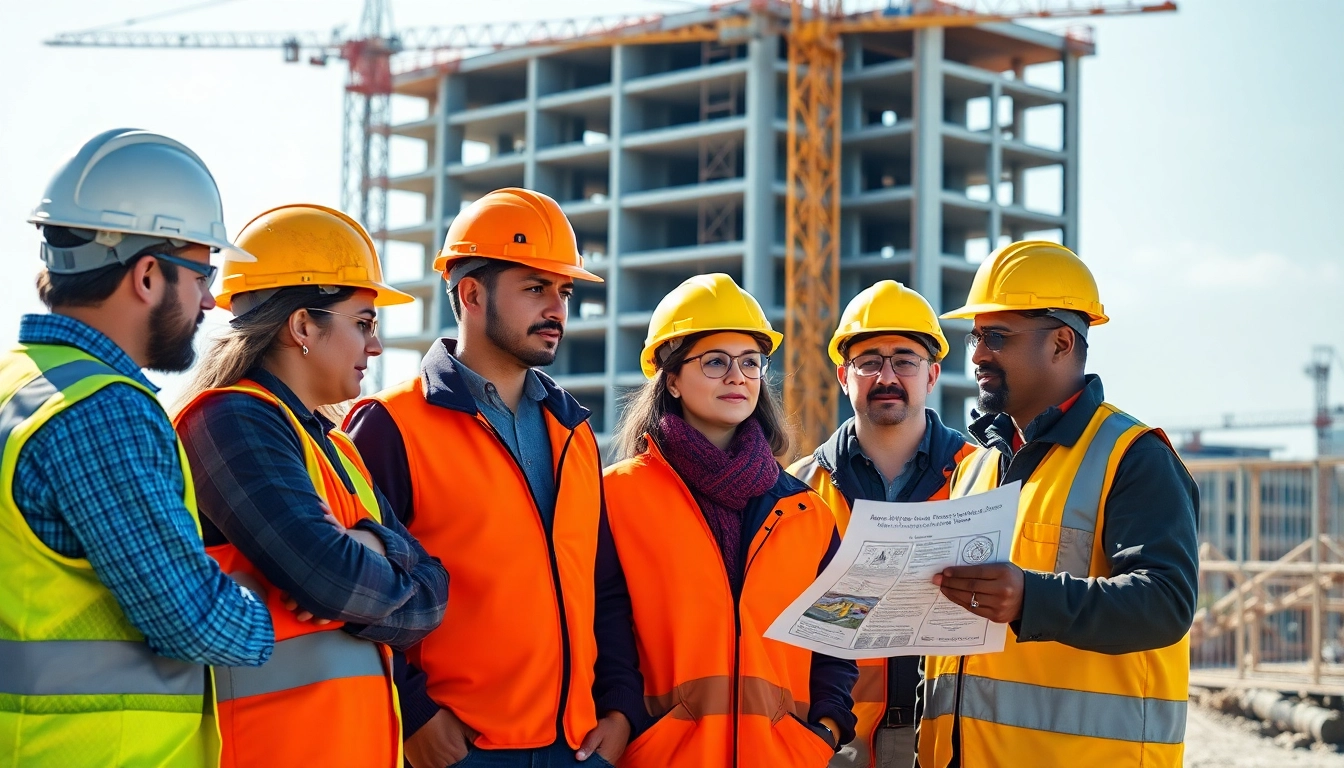
Understanding Construction Safety Training
What is Construction Safety Training?
Construction safety training involves educating workers on safety protocols aimed at minimizing risks and preventing accidents on job sites. This training encompasses various aspects, including hazard identification, safe work practices, the use of personal protective equipment, and emergency response procedures. By equipping employees with knowledge and skills, construction safety training aims to create a safer work environment, benefiting both workers and employers. It is a fundamental investment in the health and safety of the entire workforce, ensuring compliance with industry standards and regulations.
The Importance of Safety Training
Construction sites are inherently hazardous, with risks of falls, equipment injuries, and exposure to harmful substances. Consequently, construction safety training is crucial. It helps reduce accident rates, fosters a culture of safety, and encourages workers to be proactive about their well-being. Furthermore, effective safety training can lead to lower insurance premiums, reduced liability, and enhanced productivity. Investing in safety training not only fulfills legal obligations but also solidifies a company’s reputation as a responsible employer.
Legal Requirements and Standards
Various regulations govern construction safety training, including the Occupational Safety and Health Administration (OSHA) standards in the United States. Employers are required to provide adequate training on specific hazards and ensure their employees understand these risks. Compliance with these legal requirements is vital, as failure to adhere can result in severe penalties, including fines or closure of worksites. Additionally, many states have their own regulations, further emphasizing the need for comprehensive training programs that align with both federal and state guidelines.
Key Components of Effective Training Programs
Basic Safety Practices
Effective construction safety training programs should start with fundamental safety practices. This includes educating workers about workplace safety protocols, such as proper lifting techniques, scaffolding safety, and the importance of maintaining a clean work environment. Workers should also learn how to identify potential hazards on the job site and understand how to report them. Workshops and hands-on demonstrations can significantly enhance the retention of these practices, making them more actionable in real work situations.
Use of Personal Protective Equipment
Personal Protective Equipment (PPE) is essential in construction to safeguard employees from workplace hazards. Training should cover the different types of PPE available, including helmets, gloves, eye protection, masks, and safety shoes. Moreover, employees should receive instruction on the proper use, maintenance, and limitations of each type of equipment. Regularly updated training that reflects technological advancements in PPE enhances worker safety and creates an environment where employees are empowered to protect themselves effectively.
Emergency Preparedness and Response
Emergency preparedness is a critical component of construction safety training. Workers need to be acquainted with emergency procedures, including evacuation routes, emergency contact numbers, and first aid procedures. Regular drills should be conducted to ensure employees can respond promptly in emergencies, minimizing chaos and confusion. Developing a robust response plan that includes communication strategies among workers can significantly improve on-site safety during crises.
Implementing Construction Safety Training
Steps to Develop a Training Program
Creating an effective construction safety training program involves several key steps. First, a thorough assessment of the specific risks associated with the projects and the workforce should be conducted. Next, the training objectives should be clearly defined, followed by selecting appropriate training methods, whether instructor-led sessions, online courses, or hands-on workshops. Additionally, creating engaging materials that cater to various learning styles can enhance the effectiveness of the training. Lastly, regular updates and continuous feedback from participants should be integrated to ensure the program remains relevant and comprehensive.
Utilizing Technology for Training
Technology plays an increasingly significant role in construction safety training. E-learning platforms, mobile apps, and virtual reality (VR) simulations provide innovative ways to deliver training content. VR, for instance, allows workers to experience simulated environments where they can practice responding to hazards without real-world risks. Utilizing technology not only makes training more accessible but also caters to younger, tech-savvy generations that are entering the workforce, fostering engagement and enthusiasm for safety practices.
Measuring Training Effectiveness
To ensure that the training program meets its objectives, measuring its effectiveness is critical. This can be achieved through pre- and post-training assessments, observational evaluations during job execution, and feedback surveys from participants. Tracking incident reports and safety performance metrics before and after training implementation will provide a clearer picture of the program's impact. Continuous assessment allows adjustments and improvements, ensuring the training remains impactful and relevant.
Common Challenges in Construction Safety Training
Employee Engagement and Retention
One of the most significant challenges in construction safety training is maintaining employee engagement and retention of information. Often, training sessions can feel monotonous, leading to disengagement. To combat this, incorporating interactive elements such as group discussions and problem-solving exercises can make training sessions more engaging and relatable. Utilizing real-life scenarios that workers might encounter can also enhance relatability and retention, making the training more memorable.
Cultural Barriers to Safety Compliance
In some cases, cultural attitudes toward safety can impede compliance with safety protocols. Workers from different backgrounds may have varying perceptions of risk and safety based on their previous experiences. Understanding these cultural barriers is vital for effectively communicating safety practices. Training programs should be adaptable and inclusive, addressing potential cultural resistance and encouraging open dialogue about safety expectations. Empowering workers to voice their safety concerns can gradually foster a culture of compliance.
Adapting to Relevant Industry Changes
The construction industry is continuously evolving, with new technologies, regulations, and work practices introduced regularly. Keeping safety training programs up to date to reflect these changes is essential for maintaining a safe work environment. Establishing a system to review and update training materials regularly ensures all employees receive the latest information. Additionally, involving workers in this process can provide valuable insights into the operational realities they face, fostering a collaborative approach to safety.
FAQs about Construction Safety Training
What is the duration of construction safety training?
The duration varies based on the program and content but generally ranges from a few hours to several days, depending on the depth of training required.
How often should safety training be conducted?
Safety training should be conducted regularly, typically annually or bi-annually, and more frequently when new equipment or procedures are introduced.
Are there certifications for construction safety training?
Yes, various organizations offer certifications in construction safety training, such as OSHA, which can enhance credentials and ensure compliance with safety practices.
What topics should be covered in safety training?
Key topics include hazard recognition, safe operation of machinery, proper use of PPE, emergency response protocols, and relevant legal regulations.
How can organizations improve safety compliance?
Organizations can improve compliance by fostering a culture of safety, providing ongoing training, involving employees in safety planning, and regularly assessing program effectiveness.