Understanding the Second Hand Shop Market
The Second hand shop landscape is evolving rapidly, transforming from a niche market into a mainstream shopping destination. As consumers become more eco-conscious and budget-savvy, the allure of vintage and pre-loved items continues to grow. This market's dynamics are influenced by significant trends, shifting perceptions, and a mounting emphasis on sustainability. Understanding these factors is key to navigating this unique industry effectively.
Current Trends Affecting Second Hand Shops
In recent years, several trends have influenced the operations and attractiveness of second hand shops. The rise of online marketplaces, for example, has provided consumers with easier access to second hand goods. Moreover, younger generations are increasingly valuing experiences over possessions, leading to a surge in interest in unique, affordable items. The popularity of thrift flipping—buying second hand goods to upcycle or resell—also exemplifies this trend, with many individuals seeking creative ways to enhance their personal style while being cost-effective.
Consumer Perceptions of Second Hand Shopping
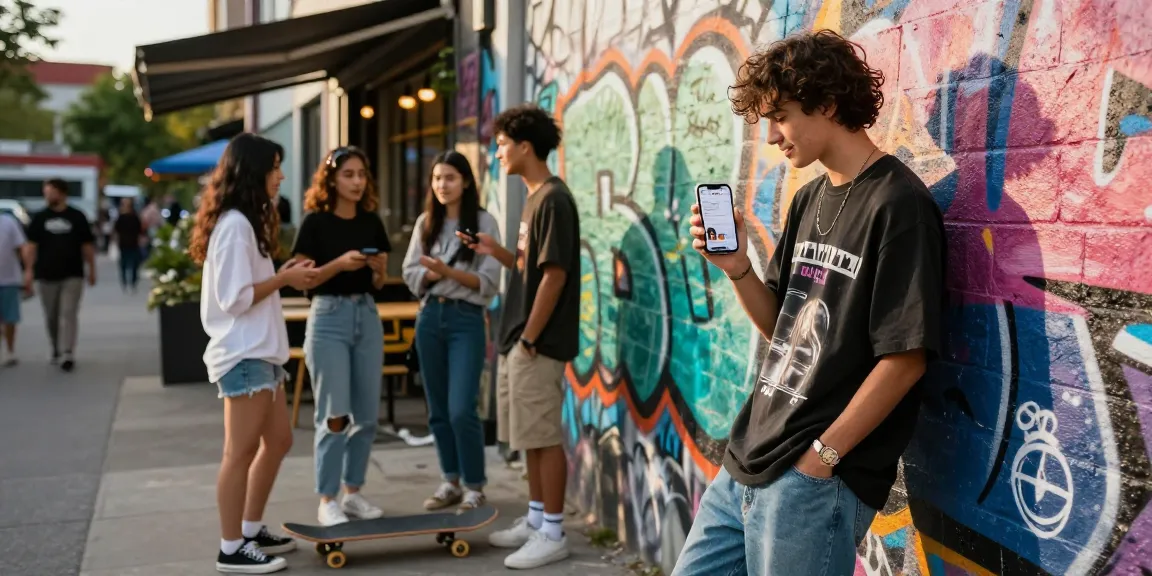
Consumer attitudes towards second hand shopping have shifted significantly. A growing number of shoppers now view second hand items as fashionable and desirable, rather than merely a financial necessity. This change is driven by social media platforms, especially Instagram and TikTok, where influencers showcase the beauty of thrifting. Additionally, as the stigma attached to buying used goods diminishes, more consumers embrace the hunt for unique items, allowing them to express individuality and creativity.
The Role of Sustainability in the Second Hand Shop Industry
Sustainability plays a pivotal role in the appeal of second hand shops. As awareness of environmental issues increases, consumers are looking for ways to reduce their carbon footprint. Shopping second hand helps combat waste and promotes a circular economy. Research indicates that buying just one used item can save a significant amount of carbon emissions compared to purchasing new. This has led to a flourishing market where consumers actively seek out businesses that align with their eco-friendly values.
Setting Up Your Second Hand Shop
Establishing a successful second hand shop requires careful planning and execution. From location to layout, every detail counts towards creating an inviting space that draws in customers and enhances their shopping experience.
Choosing the Right Location for Your Second Hand Shop
The location of your second hand shop can significantly impact its success. Consider areas with high foot traffic, such as shopping districts, college towns, or upscale neighborhoods. Visibility and accessibility are crucial; a location that is easy to access will encourage spontaneous visits. Furthermore, researching local demographics can provide insights into the types of inventory that will likely sell. Engage with the community to gauge interest and understand preferences before committing to a location.
Designing an Inviting Shop Layout
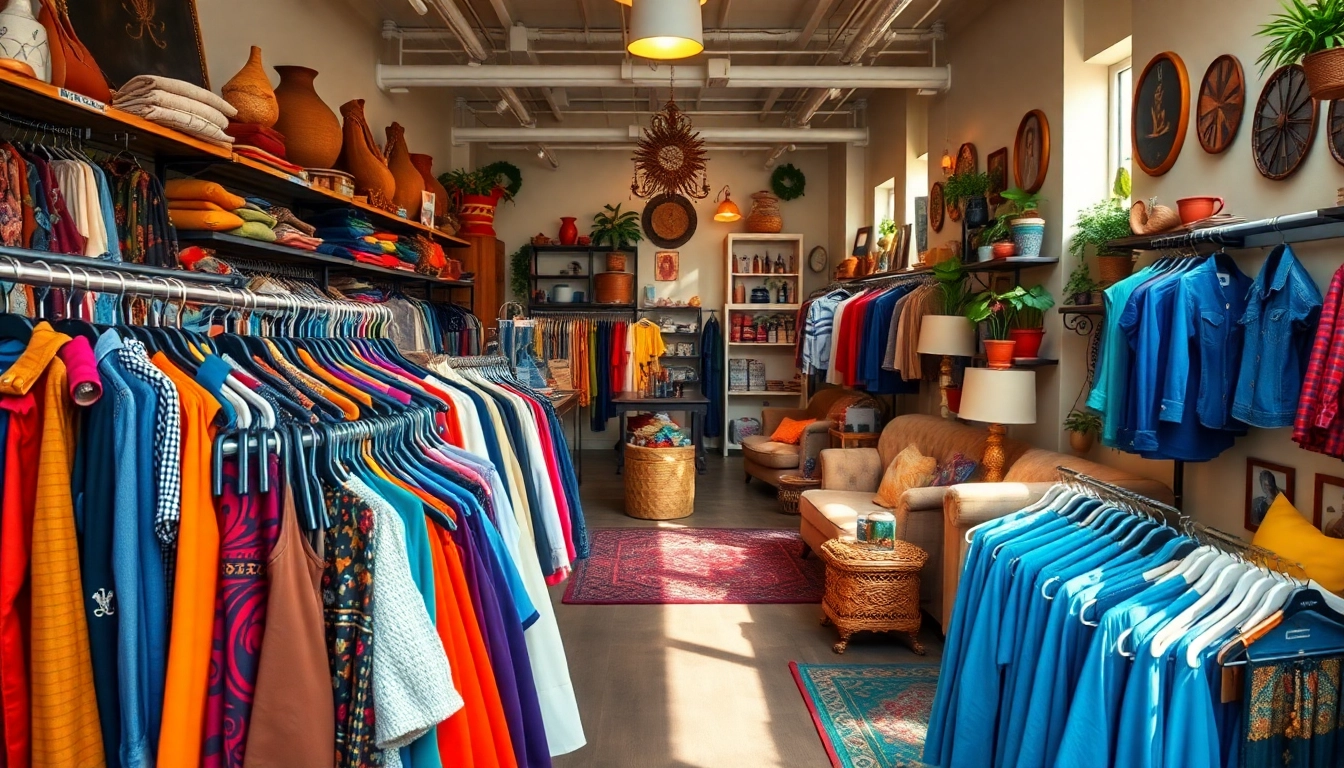
A well-designed shop layout not only enhances customer experience but also encourages sales. Consider incorporating a clear path that guides customers through different sections of your store. Use signage and displays creatively to highlight featured items and create thematic collections. Ensuring that your shop feels comfortable and welcoming can significantly influence how long customers stay and shop.
Essential Licenses and Permits for Second Hand Shops
Before opening a second hand shop, it’s crucial to understand the legal requirements for operating in your area. This may include obtaining a business license, sales tax permit, and any permits required specifically for selling used goods. Regulations can vary significantly by location, so consulting with local business bureaus or legal advisors is advisable to ensure compliance.
Inventory Management for Second Hand Shops
Effectively managing inventory is vital for maximizing sales while minimizing waste. Knowing where to source quality products and how to price them competitively will set your operation up for success.
Sourcing Quality Products for Your Second Hand Shop
Finding quality inventory is fundamental to the shop's reputation and profitability. Look for local donation centers, estate sales, or online marketplaces to source appealing pieces. Building relationships with donors can also provide a steady stream of unique items. Moreover, encouraging customers to drop off their formerly loved items can help diversify your inventory while fostering community engagement.
Effective Pricing Strategies for Second Hand Clothing
Pricing second hand items can be challenging but crucial for turnover. Research similar items in other stores and online marketplaces to gauge a fair yet profitable price. Consider the item’s condition, brand reputation, and current trends when setting prices. Implementing a tiered pricing strategy, where valuable items are priced higher while more common pieces are more affordable, can cater to different customer segments.
Managing Inventory and Sales Metrics
Utilizing an inventory management system will help track stock levels, sales trends, and customer preferences. Tools like POS systems can streamline sales transactions while providing actionable insights. Regularly review sales data to identify high-performing items, allowing you to adjust inventory sourcing and promotional strategies accordingly. This data-driven approach ensures that your shop reflects current consumer interests and maintains operational efficiency.
Marketing Your Second Hand Shop
Marketing plays a crucial role in attracting customers and building a loyal clientele. A comprehensive strategy that encompasses both traditional and digital methods can establish your brand and increase visibility.
Utilizing Social Media to Promote Your Second Hand Shop
Social media is a powerful tool for marketing a second hand shop. Platforms like Instagram and Facebook allow you to showcase new arrivals, share customer stories, and engage with your audience. Create visually appealing content that highlights the unique qualities of your products, and consider hosting contests or promotions to encourage sharing and interaction. Building a consistent online presence fosters community and entices foot traffic to your physical location.
Building a Community Around Your Second Hand Shop
Creating a sense of community can significantly enhance customer loyalty. Hosting events such as DIY workshops, clothing swaps, or charity fundraisers can draw in crowds and generate buzz. Encourage customer interactions within the shop by designing communal spaces for people to relax and converse. Engaging in local events or collaborating with nearby businesses can further strengthen your community ties.
Collaborative Events and Promotions for Increased Visibility
Partnering with local artists, designers, or influencers can provide fresh content and draw new customers. Joint promotions, pop-up events, or unique sales can generate excitement and increase foot traffic. Consider offering discounts or other incentives for shoppers who attend these events, fostering a sense of urgency to participate.
Maximizing Profitability in Your Second Hand Shop
To ensure long-term success, maximizing profitability is essential. Implementing smart strategies for analysis, customer service, and growth can significantly elevate your business outcomes.
Analyzing Sales Data for Strategic Decisions
Regularly analyzing sales data can inform your business strategy in various ways. Use this data to understand peak sales times, trends in product popularity, and the impact of marketing efforts. Adjust inventory and pricing based on performance to capitalize on successful items and phase out underperformers. This continuous adjustment will fine-tune your operations for better profitability.
Enhancing Customer Service in Your Second Hand Shop
Exceptional customer service can differentiate your second hand shop from competitors. Train employees to be friendly, knowledgeable, and eager to assist shoppers. Solicit feedback from customers to improve overall service and make necessary adjustments. Building relationships with your customers can turn one-time visitors into loyal patrons who return regularly and recommend your shop to others.
Long-term Growth Strategies for Second Hand Shops
Frequently Asked Questions
What items sell best in a second hand shop?
Fashion items, vintage furniture, and unique collectibles are typically the best-sellers in a second hand shop. Trends may fluctuate based on consumer preferences.
How can I start a second hand shop with limited funds?
Begin by sourcing items from garage sales, thrift stores, or donations. Starting small with a focused inventory can help manage costs and reduce risk.
Are online sales necessary for a second hand shop?
While not mandatory, online sales can expand your reach significantly. Platforms like Etsy, eBay, or social media marketplaces can complement physical sales.
How do I create a loyal customer base?
Focus on providing exceptional service, hosting community events, and consistently offering quality merchandise; these strategies will encourage repeat business.
Is it necessary to have a business license for a second hand shop?
Yes, a business license is generally required to operate legally. Check with local authorities to understand the specific regulations for your area.