Understanding Quartz Worktops
What Are Quartz Worktops?
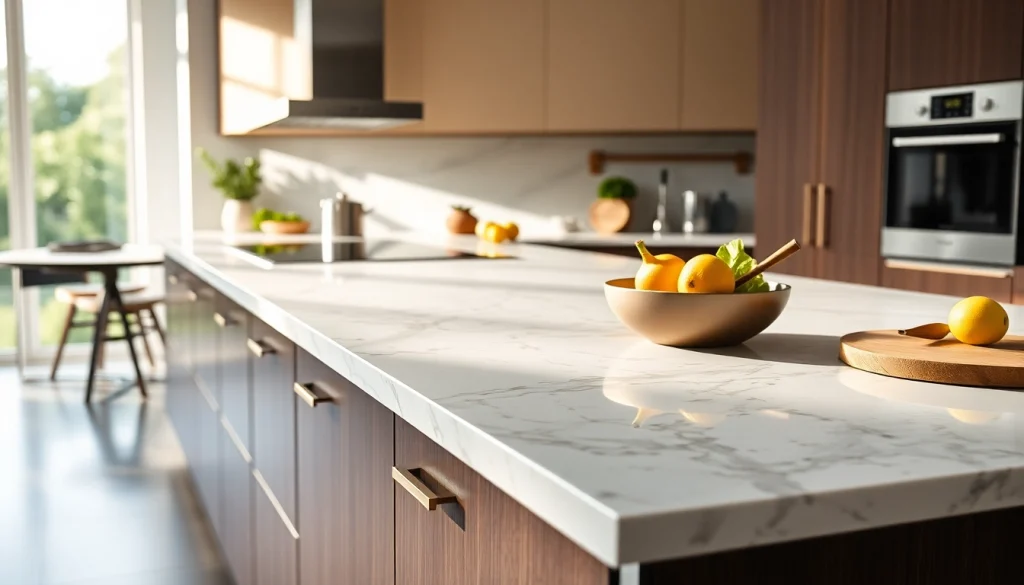
Quartz worktops, known for their elegance and resilience, are engineered surfaces made primarily from natural quartz crystals. Typically composed of approximately 90% to 95% ground quartz mixed with resins and pigments, these worktops boast both aesthetic appeal and high functionality. Whether you’re renovating a kitchen or designing a new one, integrating Quartz Worktops can elevate the space significantly.
Key Characteristics of Quartz Worktops
The unique characteristics of quartz worktops make them a popular choice among homeowners and designers alike. First, they are non-porous, which means they resist staining and bacterial growth, making them ideal for kitchen use. Additionally, their durability protects against scratches, impacts, and heat, ensuring the surface remains beautiful over time. Moreover, the wide range of colors and patterns allows for extensive customization, fitting various design aesthetics.
How Quartz Worktops are Made
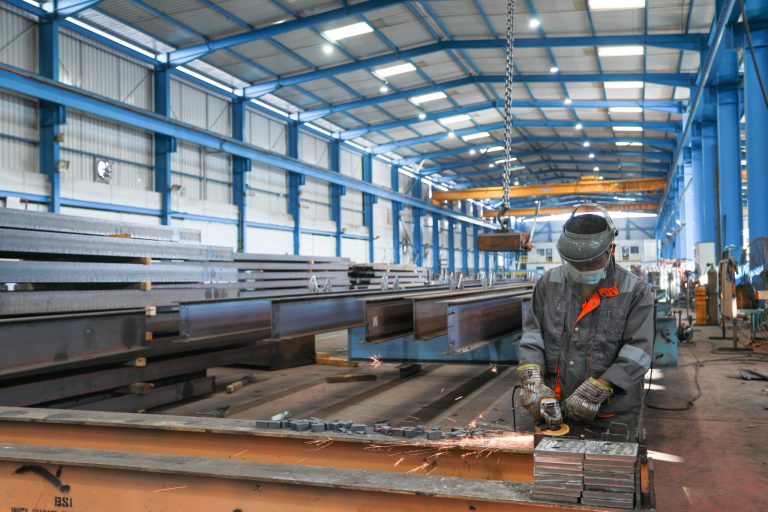
The manufacturing process of quartz worktops involves several stages. First, natural quartz crystals are mined, crushed, and blended with resins and pigments. This mixture is then poured into molds and compacted under high pressure to form sheets. The sheets are cured in an oven, which hardens the resin and binds the quartz particles together. Finally, the sheets undergo polishing and cutting to achieve the desired finishes, resulting in the stunning worktops available today.
Benefits of Using Quartz Worktops
Durability and Longevity of Quartz Worktops
One of the standout features of quartz worktops is their impressive durability. Being one of the hardest materials in nature, quartz worktops resist scratches, chips, and stains remarkably well. This resilience translates into a long lifespan, reducing the need for frequent replacements or repairs. Homeowners can enjoy their beautiful worktops for many years without worrying about wear and tear.
Low Maintenance Requirements
In addition to their durability, quartz worktops are celebrated for their low maintenance needs. Unlike other surfaces, such as granite or marble, quartz does not require sealing. Cleaning is straightforward, typically requiring just mild soap and water. This ease of maintenance is especially advantageous for busy households where kitchen hygiene is a priority.
Affordability Compared to Other Materials
While quartz worktops may seem expensive upfront, they offer long-term value that often outweighs the initial cost. Given their durability, low maintenance, and resistance to damage, quartz worktops are a smart investment. When compared to high-end materials like marble or granite, quartz often proves to be more affordable in the long run, attracting those looking for quality without breaking the bank.
Design Options with Quartz Worktops
Color and Pattern Variations
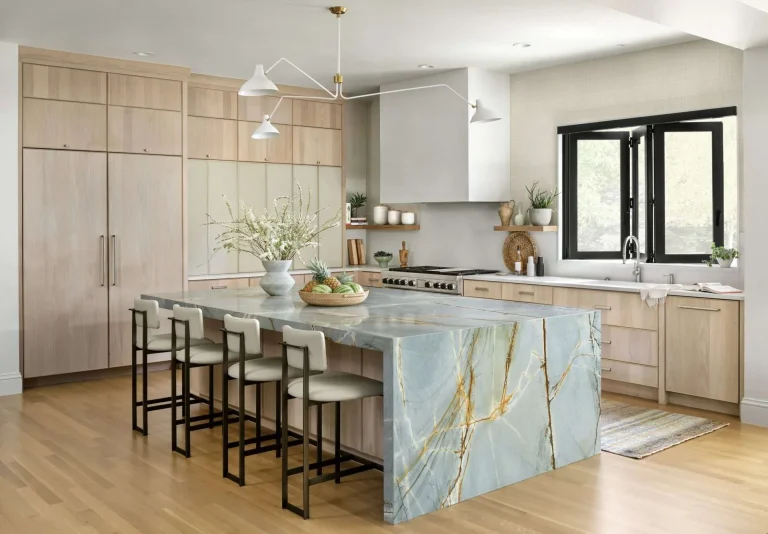
Quartz worktops come in an intricate array of colors and patterns, catering to diverse design preferences. From sleek white and grey marbles to vibrant reds and blues, the infinite options allow homeowners to enhance the visual appeal of their kitchens. Trendy patterns, including granite looks and natural stone finishes, can help create a cohesive design that complements other elements of the home.
Finishing Touches and Edges
The finishing touches on quartz worktops can greatly impact the overall look and feel of a kitchen. Various edge profiles—such as beveled, bullnose, or squared edges—can be selected to align with the desired aesthetic. Customizing these details ensures that the worktops not only function well but also enhance the style of the entire space.
Customizable Sizes and Shapes
Another appealing aspect of quartz worktops is their customizable nature. Various sizes and shapes can be tailored to fit the specific kitchen layout, whether it features a classic rectangular island or a more complex L-shape. This adaptability makes quartz worktops an excellent choice for both standard installations and unique, personalized designs.
Installation of Quartz Worktops
Preparing Your Kitchen for Quartz Installation
Preparing your kitchen for the installation of quartz worktops involves several key steps. First, it’s crucial to declutter and clear the countertops that will be replaced. Ensure that all plumbing and electrical fixtures are disconnected to facilitate a smooth installation process. Measuring the existing space accurately is vital to ensure the new worktops fit seamlessly into your kitchen layout.
Steps in the Installation Process
The installation of quartz worktops typically consists of several stages. After preparing the area, skilled professionals will take precise measurements and create templates for cutting. Once the worktops are cut to fit, they will be carefully transported to your home. The final installation involves securely placing the quartz, connecting any sinks or fixtures, and making necessary adjustments to ensure everything is aligned perfectly.
Post-Installation Care for Quartz Worktops
Post-installation care is crucial to maintain the beauty and functionality of quartz worktops. It is advisable to avoid placing heavy objects or applying excessive force on the edges for the first few days following installation. Regular cleaning with gentle soap and water is recommended, and using coasters or trivets under hot pots and areas of high heat will help preserve the surface’s integrity. Simple precautions can help ensure that your quartz worktops look stunning for years to come.
FAQs About Quartz Worktops
What Are the Disadvantages of Quartz Worktops?
Although quartz worktops are durable, they can be more expensive than other materials such as laminate. They might also be sensitive to high heat, so it’s best to avoid direct contact with hot cookware. Harsh chemicals can damage the surface over time, so using mild cleaners is advisable.
Can I Place Hot Items on Quartz Worktops?
Quartz can withstand temperatures up to about 300°F, but it’s safer to use trivets or heat pads under hot items to avoid any potential damage. Prolonged exposure to heat can compromise the resin that binds the quartz particles.
How Do Quartz Worktops Compare to Granite?
While granite is a natural stone and considered very strong, quartz worktops are engineered to ensure flexibility and greater consistency in appearance. Quartz generally offers more design options and requires less maintenance than granite.
What Are the Cost Factors of Quartz Worktops?
Cost factors for quartz worktops include the thickness and quality of the material, the complexity of the design, customization needs, and the installation process. On average, quartz is competitively priced compared to other high-end materials.
How to Clean and Maintain Quartz Worktops?
Cleaning quartz worktops is simple and requires only mild soap and water. Avoid using abrasive sponges and harsh chemicals that can wear down the surface. Regular maintenance ensures the longevity and beauty of the worktops.