Understanding Wood Veneer
What is Wood Veneer?
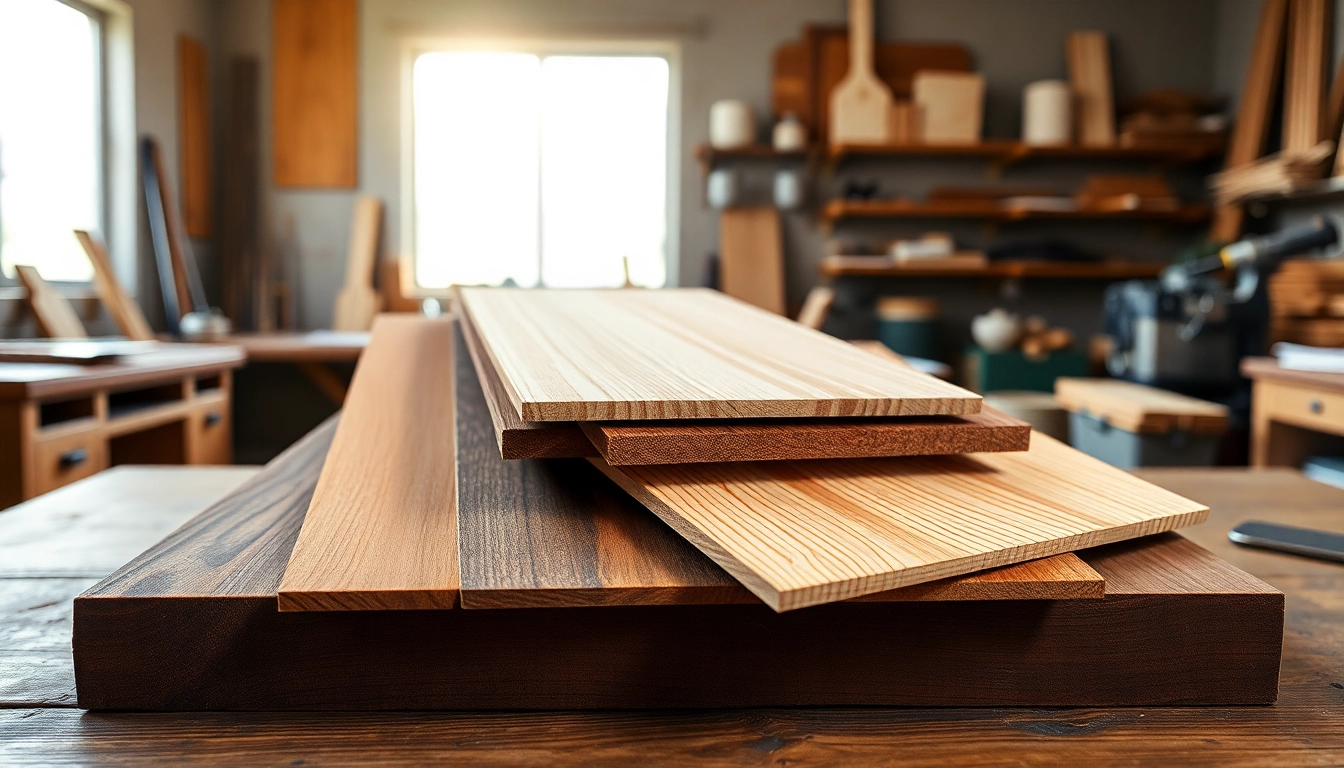
Wood veneer is a thin slice of wood, usually less than 3 millimeters thick, that is peeled or sawn from a log. It is often adhered to core panels (typically made of particle board, medium-density fiberboard, or solid wood) to produce flat panels such as doors, tops, and panels for cabinets. The art of creating veneer has been around for centuries and remains a popular choice in the woodworking industry today due to its natural beauty, sustainability, and versatility. By utilizing wood veneer, woodworkers can achieve the look and feel of solid wood while using fewer raw materials.
Types of Wood Veneer
There are various types of wood veneers, each with unique characteristics and applications. The main types include:
- Natural Veneer: Sourced directly from timber logs, natural veneers showcase the beautiful grain patterns and colors specific to each species.
- Reconstituted Veneer: Created from leftover wood fibers that are dyed and glued together, reconstituted veneers mimic the appearance of natural wood while offering greater consistency in coloring and grain.
- Backed Veneer: This type has a thin backing material (like paper or fabric) to provide added stability, making it easier to apply without cracking.
- Engineered Veneer: This is a type of veneer that is manufactured under controlled conditions, ensuring durability and dimensional stability.
Benefits of Using Wood Veneer
Using wood veneer comes with several advantages:
- Sustainability: Veneer uses a smaller amount of precious hardwood compared to solid wood, making it an eco-friendlier option.
- Aesthetics: It provides the appearance of solid wood while allowing for a wider variety of colors and grains.
- Cost-effectiveness: Wood veneer is generally more affordable than solid wood, especially for high-end species.
- Resistance to Warping: Veneer panels are less likely to warp, split, or crack, as they are backed by stable substrates.
- Versatility: Wood veneer can be used in a variety of applications, from furniture to cabinetry and wall paneling.
Selecting the Right Wood Veneer for Your Project
Factors to Consider
When choosing the right wood veneer, consider the following factors:
- Project Type: Determine whether the veneer is for furniture, cabinetry, or decorative panels. Different projects may require distinct types of veneer.
- Wood Species: Each species has unique aesthetics and properties; select one that complements your design and durability requirements.
- Thickness: Depending on the application, choose the appropriate thickness to ensure durability and ease of application.
- Backing Type: If you’re concerned about cracking, opt for backed veneers that offer additional stability during application.
- Finish Preference: Consider the type of finish you would like to apply, as it may affect the visibility of grain patterns.
Common Applications of Wood Veneer
Wood veneer finds its place in numerous applications:
- Furniture: Tables, chairs, and cabinets often feature wood veneer surfaces to offer beauty and functionality.
- Architectural Design: Wall paneling, ceilings, and accents can greatly benefit from the warm aesthetic of wood veneer.
- Cabinetry: Kitchen and bath cabinets frequently utilize wood veneer for a high-end appearance without the cost of solid wood.
- Musical Instruments: High-quality instruments use veneer for aesthetic appeal and resonance.
DIY vs. Professional Use
While wood veneer can be used for DIY projects, specific tasks might be better suited for professionals. DIYers should familiarize themselves with preparation and application techniques to produce high-quality results. Professionals, equipped with tools and expertise, can optimize the use of wood veneer for intricate designs and larger projects.
Working with Wood Veneer: Techniques and Tips
Preparation and Cutting
Preparing and cutting wood veneer accurately is crucial:
- Measure Accurately: Ensure precise measurements for both the veneer and substrate.
- Use Quality Tools: A sharp utility knife or veneer saw is essential for clean cuts without tearing.
- Store Properly: Keep sheets flat and in a controlled environment to prevent warping or damage.
Adhesives and Application Methods
Several methods can be employed for adhering wood veneer:
- Contact Cement: Apply contact cement on both the veneer and substrate for strong adhesion.
- Wood Glue: For a more controlled setting, wood glue can be used, especially when applying under pressure.
- Iron-on Veneer: Popular for DIY projects, this method involves heat to activate the adhesive on the back of the veneer.
Finishing Techniques for Wood Veneer
Finishing will impact both the appearance and durability of your project:
- Sealing: An initial coat of sealer will protect the veneer from moisture and stains.
- Staining: Experiment with stains to enhance the natural grain and color of the veneer.
- Top Coats: Finish with a clear coat to guard against scratches and enhance gloss.
Maintaining and Caring for Wood Veneer
Cleaning Your Wood Veneer Surfaces
To maintain the beauty of wood veneer, regular cleaning is essential:
- Use Soft Cloths: Clean with a microfiber cloth that won’t scratch the surface.
- Avoid Excess Moisture: Keep it dry to prevent damage and warping.
- Mild Cleaners: Use gentle soap and water for occasional stains, avoiding harsh chemicals.
Repairing Damaged Veneer
Repairing veneer can extend the life of your projects:
- For Small Scratches: Use a color-matching stain or walnut oil to mask imperfections.
- Lifting Edges: Re-glue any lifting edges cautiously with a suitable adhesive.
- Replacing Sections: If sections are beyond repair, consider replacing them entirely with new veneer.
Extending the Lifespan of Your Projects
Maximize the lifespan of wood veneer by taking preventive measures:
- Avoid Direct Sunlight: Protect surfaces from fading and temperature changes.
- Humidity Control: Keep humidity levels consistent to mitigate risks of warping.
- Regular Care: Consistent cleaning and maintenance are vital to preserving the veneer’s finish.
Wood Veneer Alternatives and Innovations
Engineered Wood Veneer
Engineered wood veneer is a modern solution, offering stability and uniformity. Unlike natural options, engineered veneers are produced from real wood fibers and can be intricately designed, allowing for creative applications and extended uses without sacrificing aesthetics.
Eco-Friendly Options
Many manufacturers are producing eco-friendly veneers by sourcing from sustainable forests or using reclaimed wood. Eco-conscious consumers can now enjoy the beauty of wood veneer while making a responsible choice for the environment.
Innovations in Wood Veneer Products
Recent innovations in wood veneer manufacturing include digitally printed surfaces, where intricate designs are applied directly onto the veneer substrate. Additionally, advancements in finishing techniques have resulted in more durable and customizable veneered products that can meet diverse consumer demands.
Frequently Asked Questions
1. Is veneer good for a dining table?
Yes! Veneer is resistant to warping and cracking, making it suitable for dining tables. Its aesthetic versatility adds style to your space.
2. How do I apply wood veneer?
Veneer can be applied using contact cement, wood glue, or heat-activated adhesive. Ensure a flat surface for best results.
3. Can I stain my wood veneer?
Yes, you can! Staining enhances the natural grain but test on a scrap piece first to ensure desired results.
4. How do I repair small damages on veneer?
Use color-matching stains or walnut oil to fill scratches and imperfections, blending with the original finish for a seamless look.
5. What are the best ways to clean wood veneer?
Wipe with a soft cloth and mild soap solution. Avoid excess moisture and harsh chemicals to protect the finish.