
Understanding Framed Wall Art
Framed wall art serves as a versatile decorative element that not only enhances the aesthetic appeal of any space but also reflects the personality of its inhabitants. Incorporating framed wall art can transform an ordinary room into a visually stimulating environment. This article delves into the various aspects of framed wall art, offering insights into its value, types, selection, display techniques, maintenance, and answers to frequently asked questions.
The Value of Framed Wall Art
The significance of framed wall art lies in its ability to evoke emotion, create focal points, and express individuality. It has the remarkable power to alter moods and experiences within a space. Art can inspire creativity or tranquility depending on its theme and colors. In addition to enhancing visual appeal, well-chosen framed wall art can also increase the value of your property, making it a worthwhile investment. Furthermore, framed pieces offer protection for the artwork, ensuring its longevity and preserving its vibrancy while serving as an added decorative touch.
Types of Framed Wall Art Styles
Framed wall art encompasses a myriad of styles and techniques. Understanding these categories can help you select pieces that align with your personal taste and the overall design of your home. Here are a few popular types:
- Abstract Art: This style often emphasizes colors, shapes, and forms over representational lifelike imagery. It offers a modern touch to any room.
- Landscape Art: Beautiful serene landscapes can evoke feelings of tranquility and connection to nature, perfect for living spaces.
- Portraits: Framed portraits add a personal touch, capturing moments, memories, or individuals while creating a sense of warmth in your home.
- Black and White Photography: This timeless style offers a classic, elegant feel and works well in various settings, from minimalistic to traditional interiors.
- Mixed Media: Combining different materials and techniques creates unique artworks that engage viewers and spark conversations.
Choosing the Right Frame for Your Art
The frame serves not only as a protective border for your artwork but also as an integral part of the overall look. Choosing the right frame involves considering the material, color, and width that best complements your art piece and the surrounding decor. Common framing materials include wood, metal, and composite. Wooden frames provide warmth and texture, while metal frames lend sophistication and a sleek finish. The color of the frame should harmonize with the artwork and surroundings, while the width can either emphasize or downplay the art’s impact—wider frames often convey a more dramatic aesthetic.
Where to Use Framed Wall Art
Understanding where to place framed wall art is essential to maximizing its impact in your home. The following are practical locations that can benefit from the addition of stunning art pieces.
Framed Wall Art in Living Rooms
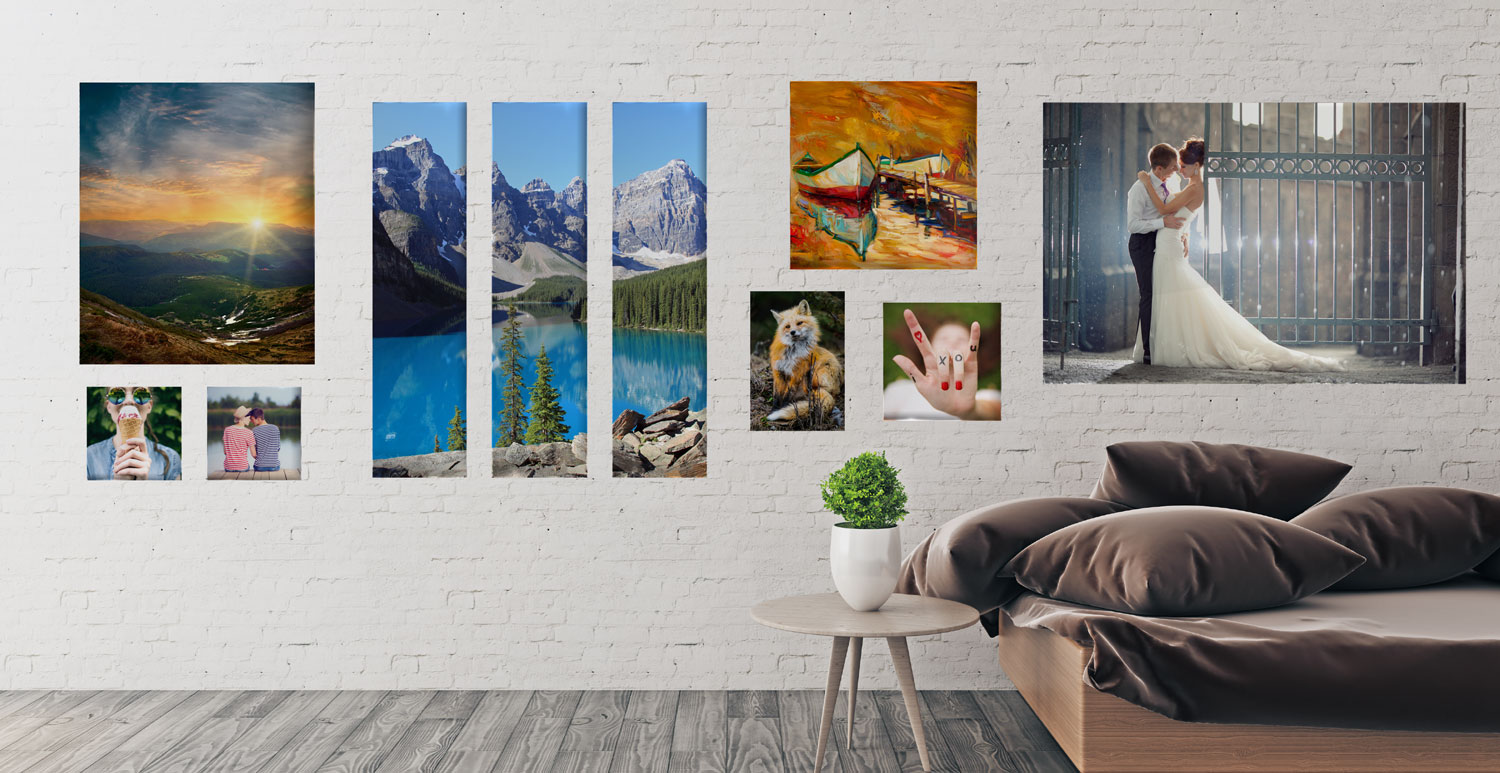
The living room is a natural gathering place—an ideal setting for showcasing framed wall art. Here, selecting large format pieces can create eye-catching focal points above sofas or mantels. Create a gallery wall by combining different sizes and styles, surrounding the main piece with smaller artworks that share a common color palette or theme. This layering effect adds depth and interest.
Framed Wall Art for Bedrooms
In bedrooms, framed wall art can be more intimate and personal. Choose serene landscapes or abstract pieces that evoke peace and calm for a perfect night’s rest. Above the headboard is a traditional yet effective spot for artwork; alternatively, consider artwork in pairs or triplets to create a visually balanced display on a larger wall.
Innovative Ways to Display Framed Wall Art
Looking for creative ways to showcase framed wall art? Consider the following innovative ideas:
- Art Ledges: Install floating shelves or ledges to hold an array of framed artwork. This allows for easy swapping and rearranging without damage to walls.
- Art Collages: Create a collage by arranging multiple frames in a line or cluster, mixing and matching sizes, styles, and colors for a dynamic aesthetic.
- Suspended Frames: Hang frames from the ceiling with clear wire or fishing line to create a floating art effect that provides dimension.
- Rotating Display: Use an easel or a dedicated space to frequently change the artwork, keeping your decor fresh and engaging.
Choosing the Perfect Framed Wall Art
Selecting the right framed wall art can feel daunting due to the plethora of choices available. However, a few key considerations can guide you in making the best selection for your space.
Consider Your Room’s Aesthetic
Your personal taste and the existing design scheme should dictate your choice of framed wall art. Identify the room’s colors, furniture styles, and overall vibe. For modern or minimalist spaces, look for abstract or geometric pieces, while traditional settings might call for classic landscapes or historical portraits.
Size and Scale of Framed Wall Art
The size and scale of the artwork in relation to the room dimensions are vital for creating a harmonious balance. Large pieces command attention and are perfect for vast, open spaces. Smaller artworks can complement furnishings, while clusters of smaller frames can fill up empty walls effectively. Always aim for a cohesive look by ensuring that the art’s size aligns with the scale of surrounding furniture.
Color Schemes and Themes
Your chosen artwork should ideally resonate with the room’s color palette. This ensures that the framed wall art integrates seamlessly into the space rather than standing out awkwardly. Select artworks that have accents matching the dominant colors in the room or that introduce a complementary shade for visual interest.
DIY Framed Wall Art Projects
If you’re looking for a personalized touch in your home, creating your own framed wall art can be a rewarding project. Here are some exciting DIY ideas to consider.
Creating Custom Framed Wall Art
Custom creations can range from simple prints to intricate mixed media projects. Consider photographing personal moments, creating digital artwork, or even painting your own designs. Once you have your artwork, select frames that will enhance the final result, ensuring that they complement your personal style and the decor of the rooms.
Personalized Framed Art as Gifts
Framed wall art makes for thoughtful, personalized gifts for friends and family. Consider framing memorable quotes, family photos, or artwork created by children. By tailoring the piece to the recipient’s style, you create a heartfelt gift that can adorn their walls.
Framing Techniques for a Professional Finish
To achieve a professional-quality finish, practice some foundational skills in framing. Ensure your artwork is well-centered and secured within the frame. Use acid-free materials for mounting to prevent damage over time, and consider backing for stability. Proper glazing will protect the piece from dust, UV rays and damage while enhancing its visual appeal.
Maintaining Your Framed Wall Art
Once you’ve installed your framed wall art, proper maintenance is key to ensuring its longevity. Here are crucial care tips to keep your artworks looking fresh and vibrant.
Cleaning and Care Tips
Regularly dust your framed wall art using a soft microfiber cloth to prevent the buildup of dust and dirt that can dull colors. For glass or acrylic, use a gentle glass cleaner or a diluted vinegar solution, applying it to the cloth rather than directly onto the frame. Always avoid harsh chemicals, as they can damage the frame or artwork.
Protecting Your Framed Wall Art from Damage
To keep your art looking its best, hang pieces away from direct sunlight, heat sources, and high humidity areas, which can cause fading or warping. Consider using UV-protective glass or acrylic for visible artwork and choose frames that provide adequate protection against moisture and dust.
When to Reframe or Update
Over time, art may require reframing due to wear and tear, such as scratches or fading. If the frame no longer complements the artwork or your decor, consider updating both. Regularly assess your collection, and feel free to swap out older pieces for new favorites to keep your space dynamic and engaging.
FAQs
What materials are best for framed wall art?
High-quality paper or canvas combined with durable frames works best for longevity. Avoid cheaper materials that may compromise the artwork’s integrity.
How can I choose the right size of framed wall art for my space?
Select sizes that complement your decor; larger pieces for open walls and smaller art for tighter areas. Balance is essential for visual harmony.
Can I mix different styles of framed wall art?
Yes, diverse styles can create an eclectic look. Maintain a cohesive color scheme to ensure unity throughout the collection for a polished appearance.
How do I hang framed wall art correctly?
Use appropriate hardware based on the weight of the frame. Ensure pieces are hung at eye level for optimal viewing enjoyment and aesthetic appeal.
What’s the best way to protect my framed wall art?
Avoid direct sunlight to prevent fading and consider using glass glazing to shield against dust and humidity, preserving your artwork in pristine condition.