
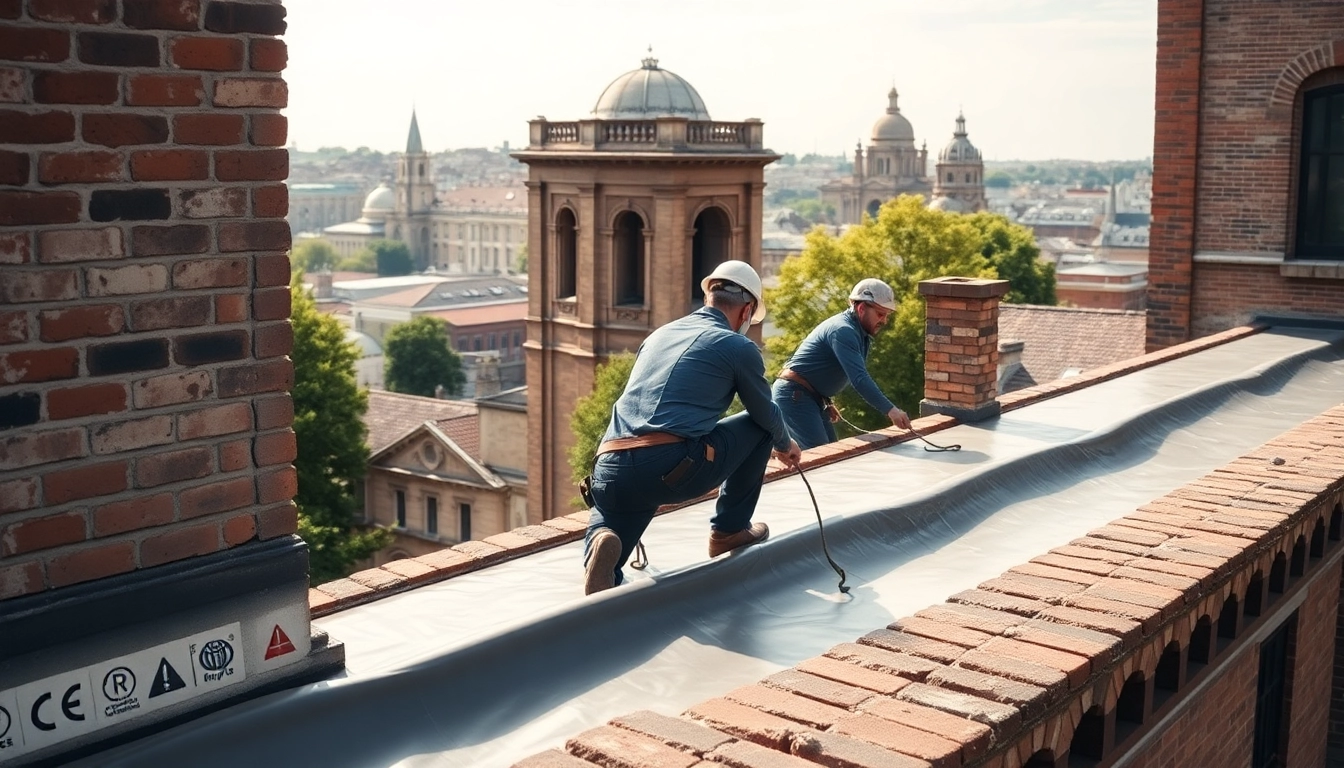
Understanding Heritage Preservation and Heavy-Duty Waterproofing
Heritage preservation is vital in maintaining the historical significance and architectural integrity of older buildings, while heavy-duty waterproofing ensures these structures are safeguarded against the elements. The integration of these two processes is crucial for effective preservation. When seeking solutions for Heritage preservation and heavy-duty waterproofing, one must navigate the complex interplay between maintaining aesthetic qualities and ensuring structural soundness.
The Importance of Heritage Preservation
Heritage preservation is not just about saving buildings; it’s about conserving cultural identity, education, and community pride. Historic structures offer insights into architectural styles, craftsmanship, and social history. When we preserve these buildings, we also maintain a connection to our heritage, fostering a sense of belonging among community members.
What is Heavy-Duty Waterproofing?
Heavy-duty waterproofing refers to the advanced methods and materials used to protect structures from water ingress. This encompasses a range of solutions, including membranes, coatings, and drainage systems specifically formulated for robustness against the elements. It’s essential for older buildings, which are often more susceptible to water damage due to historical construction methods and material degradation over time.
Challenges in Combining Both Processes
Integrating heavy-duty waterproofing in heritage preservation can pose distinct challenges. The materials commonly found in historical buildings—such as plaster, stone, and wood—may react poorly with modern waterproofing solutions. Additionally, regulations often dictate what alterations can be made, limiting the choices available for preservationists. Accommodating modern technology while honoring the original design is a delicate balance that demands careful planning and expert consultation.
Best Practices for Effective Waterproofing
Employing optimal waterproofing solutions for heritage structures requires meticulous attention to detail and a strategic approach tailored to unique needs.
Choosing the Right Materials for Heritage Buildings
When selecting waterproofing materials for heritage buildings, it is crucial to ensure that they are compatible with existing materials. For instance, breathable membranes allow moisture to escape while preventing water from entering. Innovative materials, such as lime-based coatings, can be advantageous as they mimic the breathable qualities of traditional materials, making them suitable for historical conservation efforts.
Application Techniques for Optimal Results
Application techniques play a critical role in the effectiveness of waterproofing. Using a two-coat system, for instance, can provide enhanced protection, ensuring that moisture barriers are fully established. Brush, spray, or roll applications can be chosen based on the surface texture and access. Proper surface preparation, including cleaning and repair of any structural damage, is vital to achieving a lasting bond between the waterproofing agent and the substrate.
Environmental Considerations
Environmental conditions should be taken into account when applying waterproofing solutions. For instance, extreme temperatures or high humidity can affect drying times and the curing process. Evaluating the local climate and microenvironment will help in selecting materials and application methods that will perform optimally, preserving the integrity of the heritage structure long-term.
Case Studies: Successful Projects
Examining successful projects enhances our understanding of effective practices in heritage preservation and heavy-duty waterproofing.
Notable Examples of Heritage Preservation
Several notable examples highlight successful heritage preservation efforts paired with heavy-duty waterproofing. For instance, the restoration of a historic courthouse involved intricate waterproofing strategies that respected the building’s original architecture while addressing significant moisture issues. This project showcased how careful planning and execution can revitalize historical structures and ensure their longevity.
Impact of Heavy-Duty Waterproofing
The impact of heavy-duty waterproofing cannot be overstated—effective waterproofing can safeguard against moisture intrusion, prevent mold and mildew, and protect the building materials from water-related decay. Successful waterproofing greatly extends the lifespan of heritage structures while maintaining their aesthetic qualities.
Lessons Learned from Successful Renovations
Successful renovation projects often emphasize the importance of a multidisciplinary approach, integrating historical knowledge with modern technology. Collaborating with architects, preservationists, and waterproofing specialists ensures that all aspects of a project, from aesthetics to functionality, are considered. Documenting the renovation process also serves as a valuable resource for future preservation efforts.
Maintaining Heritage Structures: Long-term Strategies
Long-term strategies for maintaining heritage structures are essential to their ongoing preservation and protection.
Regular Inspection Protocols
Establishing regular inspection protocols facilitates early detection of potential issues. Inspections should assess the integrity of waterproofing systems as well as the overall condition of building materials. Implementing a cyclical inspection plan can allow for proactive measures that extend the lifespan of heritage structures.
Emergency Repair Techniques
Having emergency repair techniques ready for application is essential. In cases of unexpected weather events or structural damage, a rapid-response plan can mitigate further damage. Temporary protective measures might include tarps, drainage diversions, or quick-setting sealants to maintain the structure’s integrity until permanent repairs can be completed.
Community Engagement in Preservation Efforts
Engaging the community in heritage preservation efforts fosters greater public investment and awareness. Organizing workshops, tours, and volunteer opportunities can promote collective ownership of local heritage. Collaborating with community members during restoration projects not only brings diverse expertise but also strengthens local ties.
FAQs About Heritage Preservation and Heavy-Duty Waterproofing
What are common waterproofing methods for heritage buildings?
Common methods include membranes, coatings, and drainage systems designed to protect historic structures without compromising their integrity. These systems are tailored to the unique materials present in older buildings.
How does heavy-duty waterproofing affect the aesthetics of older buildings?
Careful application ensures that waterproofing materials harmonize with the original design. Often, thoughtful integration can enhance the appearance of the building while providing essential protection.
What regulations impact heritage preservation?
Local and national guidelines dictate methods and materials for preserving historic buildings. Compliance is essential for any preservation project to ensure legal adherence and respect for the heritage site.
How long does heavy-duty waterproofing last?
Well-applied heavy-duty waterproofing can last at least a decade. However, longevity may vary depending on environmental conditions and subsequent maintenance practices.
What should be included in a preservation maintenance plan?
A comprehensive plan should encompass regular inspections, detailed repair protocols, cleaning schedules, and thorough documentation of any work conducted for future reference.

