
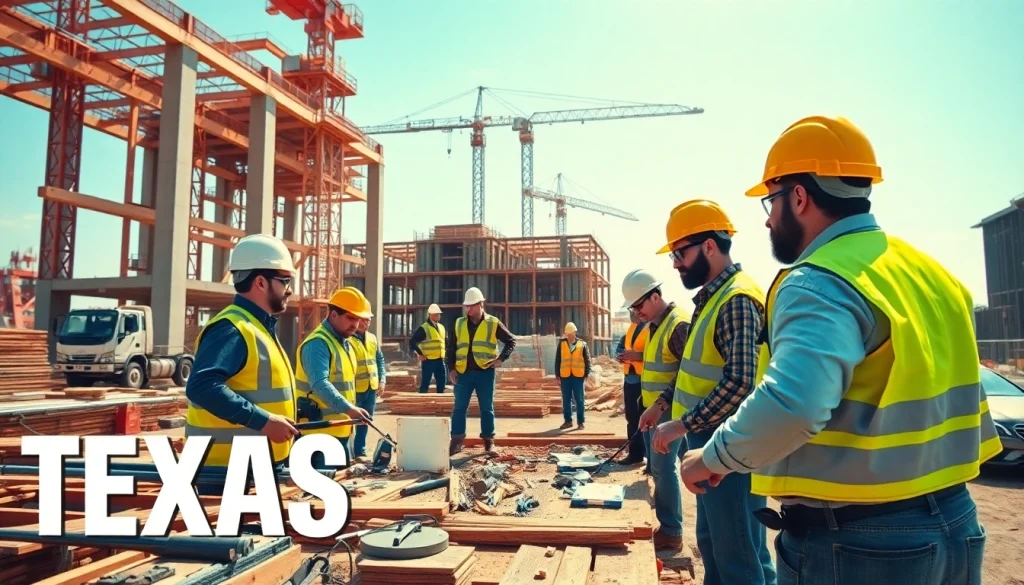
Current Landscape of Texas Construction News
The construction landscape in Texas is a dynamic and rapidly evolving environment marked by tremendous growth, innovative technology adoption, and various regulatory challenges. Whether you are a developer, contractor, or investor, staying informed about the latest trends in Texas construction news is essential for making strategic decisions. This article seeks to illuminate key aspects of the Texas construction sector, including ongoing trends, labor challenges, innovations, and sustainability practices.
Overview of Texas Construction Trends
Texas has consistently remained at the forefront of construction activities in the United States. A combination of population growth, economic expansion, and a booming real estate market fuels ongoing construction projects. In urban centers like Austin, Dallas, and Houston, commercial, residential, and industrial construction continues to flourish, illustrating Texas’s robust economic footings.
Significant investments in infrastructure are underway, with projects focused on highways, public transportation systems, and utilities. Additionally, sustainable and smart building initiatives gain traction as stakeholders prioritize environmentally friendly building practices. As the landscape evolves, being aware of these trends is crucial for adapting strategies and ensuring compliance.
Key Statistics and Growth Indicators
Understanding the scale of construction in Texas can be quantified through several indicators:
- Employment Growth: The construction industry in Texas is one of the largest employers, with substantial growth observed in recent years, significantly outperforming national averages.
- Building Permits: The number of building permits issued has increased, reflecting a healthy pipeline for various construction projects. In some metropolitan areas, this growth has been above 10% year-over-year.
- Investment Levels: Texas sees billions in construction investment annually, covering residential, commercial, and infrastructure developments.
These statistics highlight the vibrancy of the Texas construction market and underscore the continuing opportunities available to industry stakeholders.
Impact of Legislation on Construction Practices
Legislation plays a crucial role in shaping the construction landscape. Recent changes in state regulations have influenced how construction professionals navigate various aspects of their projects. Key areas impacted include:
- Building Codes: Updated building codes in Texas reflect shifts toward sustainable practices and safety measures that construction companies must adhere to in their projects.
- Labor Laws: Changes in labor regulations, including minimum wage adjustments and overtime pay structures, affect workforce management and operational costs.
- Health and Safety Regulations: Compliance with stringent health and safety regulations is essential, especially amid public health concerns. These regulations foster a culture of workplace safety while also requiring investment in training and safety equipment.
Understanding these legislative changes is crucial for construction firms striving to remain compliant and competitive.
Innovative Technologies in Texas Construction News
The ongoing digital transformation in the Texas construction sector showcases the industry’s adaptability and vision for the future. Technology plays a pivotal role in enhancing productivity, efficiency, and safety on construction sites.
Technology Adoption Trends
As technology permeates the construction industry, several noteworthy trends have emerged:
- Cloud-Based Project Management Tools: Many companies are shifting towards cloud-based solutions that allow for real-time collaboration and project tracking, improving communication among teams.
- Mobile Applications: The proliferation of mobile apps tailored to the construction industry assists workers in managing tasks, accessing blueprints, and documenting job site conditions on the go.
- AI and Machine Learning: Utilizing artificial intelligence in predictive analytics enables construction companies to better forecast project timelines, costs, and possible risks.
Staying at the forefront of technology adoption is crucial for companies looking to optimize operations and improve project outcomes.
Impact of Drones and BIM
Two cutting-edge technologies making waves in the Texas construction sector are drones and Building Information Modeling (BIM). Drones are increasingly utilized for surveying land, monitoring construction progress, and enhancing site safety. They provide accurate aerial imagery and mapping that assists firms in project planning and stakeholder presentations.
BIM, on the other hand, is revolutionizing the design and construction process. By creating 3D digital models, construction professionals can visualize projects in-depth, thereby minimizing errors and reducing costs associated with rework. This technology enables effective collaboration between architects, engineers, and contractors, leading to more efficient project delivery.
Future Tech Predictions for Construction
Looking ahead, several technological developments are on track to transform the construction industry even further:
- Robotics and Automation: The integration of robotics into construction processes promises to enhance precision and efficiency, leading to safer work environments.
- Augmented Reality (AR): AR technology is likely to reshape design and construction by allowing stakeholders to visualize projects in a real-world context before actual construction begins.
- Smart Materials: The emergence of smart materials that respond to environmental changes will create more durable and energy-efficient buildings.
These innovations signal an exciting future for the Texas construction industry, making it imperative for stakeholders to adapt and evolve.
Sustainable Practices in Texas Construction News
In recent years, sustainability has emerged as a critical focus in the Texas construction landscape. As concerns about environmental impact grow, the industry is transitioning towards more sustainable practices and materials.
Green Building Standards and Regulations
Green building certifications, such as LEED (Leadership in Energy and Environmental Design), are becoming essential benchmarks for Texas construction projects. Adhering to these standards not only conserves resources but also enhances the long-term value of properties. Key regulations emphasize:
- Energy Efficiency: New buildings must comply with stringent energy efficiency codes, aiming to reduce overall consumption.
- Water Conservation: Innovative plumbing fixtures and sustainable landscape designs that minimize water usage are gaining traction.
- Material Sourcing: The use of recycled and environmentally friendly materials is increasingly prioritized, further driving the industry’s commitment to sustainability.
Adopting these standards is crucial for meeting market demands and ensuring compliance.
Case Studies of Sustainable Projects
Several Texas construction projects exemplify successful implementation of sustainable practices:
- Texas A&M University’s Engineering Building: This facility achieved LEED Platinum certification through solar energy and a green roof that reduces heat absorption.
- Austin’s Green Roof Initiative: Various buildings have incorporated green roofs to enhance energy efficiency and biodiversity.
- Houston’s Eco-Friendly Housing Developments: These projects use sustainable materials and energy-efficient designs, targeting the affordable housing sector.
These case studies demonstrate the positive impact sustainable construction can have on communities and the environment.
Benefits of Sustainable Construction
Embracing sustainability in construction not only aligns with ethical standards but also offers numerous benefits:
- Cost Savings: Energy-efficient buildings lead to significantly lower utility bills over time.
- Enhanced Market Value: Properties built to green standards often have higher resale values and attract eco-conscious buyers.
- Healthier Environments: Sustainable materials promote better air quality and wellbeing for occupants.
Leveraging the benefits of sustainable construction enables companies to make a positive impact while improving their bottom line.
Workforce Challenges in Texas Construction News
The Texas construction industry faces several workforce challenges that pose risks to ongoing and future projects. Understanding these challenges is essential for devising effective solutions.
Skilled Labor Shortage Overview
One of the most significant challenges in the Texas construction sector is the ongoing skilled labor shortage. Traditional pathways to skilled trades have diminished, leading to a gap that many construction firms struggle to fill. This shortage impacts project timelines, increases labor costs, and affects overall productivity.
To combat these issues, companies must prioritize labor engagement, workforce development, and competitive compensation to attract talent.
Training and Development Initiatives
Addressing the skills gap requires targeted training and development initiatives. Construction companies in Texas are increasingly implementing programs that focus on:
- Apprenticeships: These programs allow individuals to receive hands-on training while working alongside experienced professionals, fostering a skilled workforce.
- Continuing Education: Offering pathways for workers to hone their skills keeps them engaged and adaptable to emerging construction technologies.
- Industry Partnerships: Collaborations between educational institutions and construction companies help align training programs with industry needs.
Such initiatives will ensure a well-equipped workforce for the future.
Strategies for Talent Retention
Attraction is only one side of the equation; talent retention is equally crucial. Organizations should implement strategies that foster a positive work environment:
- Competitive Salaries and Benefits: Offering industry-competitive compensation packages attracts and retains top talent.
- Work-Life Balance: Promoting flexible work schedules and adequate time off can enhance worker satisfaction.
- Career Growth Opportunities: Providing clear career advancement pathways encourages workers to commit to long-term employment.
By addressing workforce challenges proactively, construction companies can maintain a workforce that drives project success.
Frequently Asked Questions About Texas Construction News
What are the latest construction trends in Texas?
Texas construction trends focus on sustainable building practices, innovative technology adoption, urbanization, and infrastructure development. Companies are increasingly integrating smart technologies for efficiency.
How is technology changing the construction industry?
Technology enhances efficiency and safety through tools like BIM, drones, and mobile applications that streamline project management, making construction processes more transparent and collaborative.
What sustainable practices are being adopted?
Sustainable practices include green building certifications, energy-efficient designs, and the use of recycled materials. These initiatives aim to reduce environmental impact while improving building performance.
What are the main challenges facing construction workers?
Construction workers face challenges like skilled labor shortages, regulatory compliance issues, and evolving health and safety standards. Addressing these is crucial for maintaining workforce stability.
How do regulations impact construction projects?
Regulations affect all phases of construction, from labor laws and building codes to environmental standards. Compliance ensures worker safety and aligns projects with community and sustainability goals.