
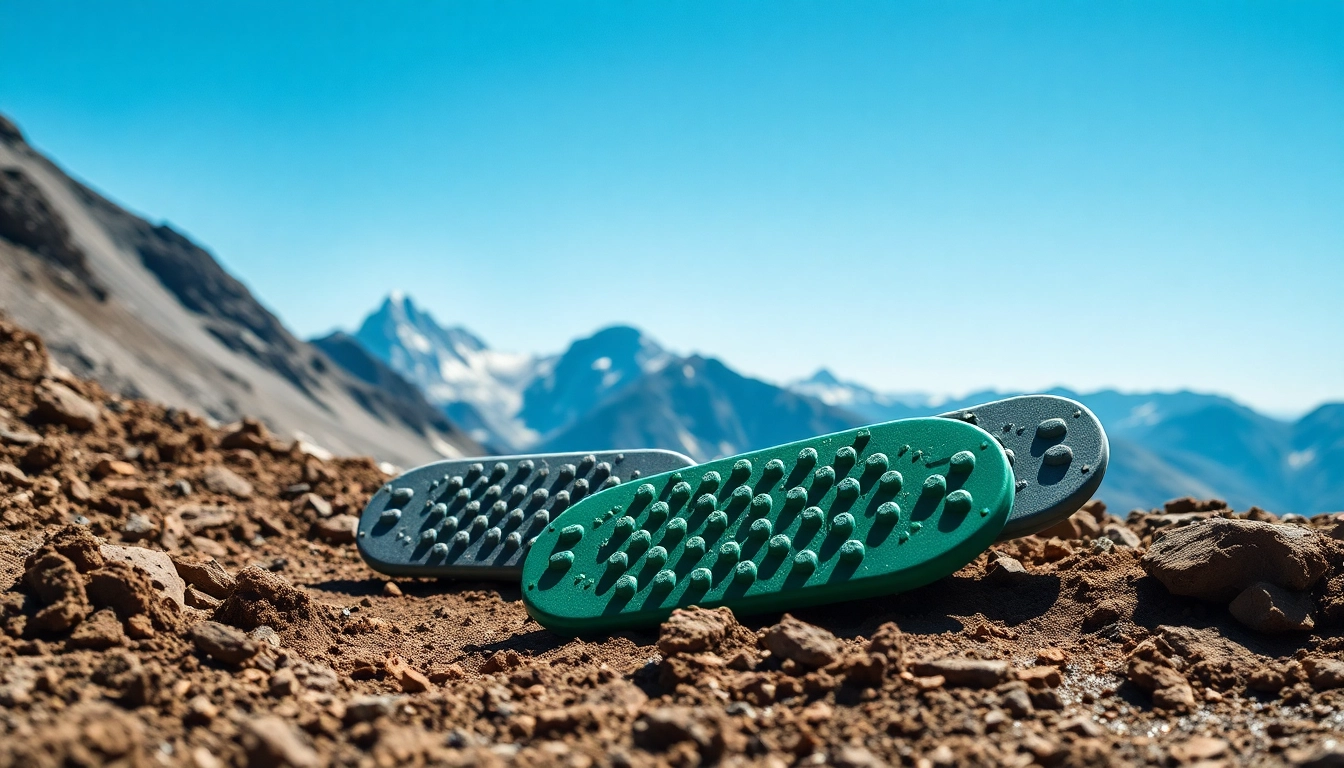
Understanding Traction Boards
What Are Traction Boards?
Traction boards are essential off-road recovery tools designed to help vehicles extricate themselves from difficult situations, particularly in soft, slippery, or uneven terrain. They are usually made from high-strength materials like plastic or fiberglass, offering durability and effectiveness. By providing additional grip under the tires, Traction Boards ensure that you can successfully maneuver out of challenging situations without the need for external assistance or heavy equipment.
How Do Traction Boards Work?
The functionality of traction boards is quite straightforward. When a vehicle becomes stuck in mud, sand, or snow, the wheels lose their grip, preventing movement. Traction boards are placed beneath the tires, creating a solid surface that allows the wheels to regain traction. Most boards feature a toothed design on the underside, which digs into the ground and offers maximum grip. Their lightweight nature, combined with their ability to fold or stack, makes them convenient for transportation.
Types of Traction Boards Available
There are various types of traction boards available on the market, each catering to specific vehicle types and conditions. Some common variations include:
- Standard Traction Boards: These are the most common type, designed for general use in mud, sand, and gravel conditions.
- Specialized Boards: Some boards are tailored for specific terrains like snow or icy surfaces, equipped with additional features such as metal spikes for enhanced traction.
- Compact and Portable Options: Ideal for smaller vehicles or those with limited storage space, these boards are lighter and more easily carried.
- Heavy-Duty Versions: Made for larger vehicles, these are crafted from tougher materials to withstand heavy weights and rough conditions.
Choosing the Right Traction Boards
Key Features to Consider
When selecting traction boards, it’s essential to consider several key features:
- Size: The dimensions of the boards should match the size of your vehicle’s tires to ensure proper contact and support.
- Weight Capacity: Check the load rating to ensure the boards can support your vehicle’s weight. This is critical for safety and effectiveness.
- Material Quality: Look for boards made from durable, weather-resistant materials that will withstand rough handling.
- Grip Design: More aggressive grip patterns can provide better traction, especially in challenging conditions.
Comparing Material Durability
Material choice is crucial when selecting traction boards. Most commonly, boards are made from:
- Plastic: Lightweight and cost-effective, but can be less durable than other materials, particularly under heavy load.
- Fiberglass: Offers a good balance of lightweight and strength, making it suitable for many off-road scenarios.
- Aluminum: While more expensive, aluminum boards provide excellent durability and are often more resistant to cracking than plastic options.
Assessing Size and Portability
Traction boards vary greatly in size, so it’s important to consider your vehicle type and how much storage space you have available. Smaller boards are lightweight and easy to carry, but they should still provide sufficient surface area for larger tires. Conversely, larger boards offer better support but can be cumbersome to transport. Look for features like built-in handles or the ability to nest the boards together for enhanced portability.
How to Use Traction Boards Effectively
Best Practices for Placement
Using traction boards effectively involves strategic placement. Generally, they should be placed in front of or behind the drive wheels, depending on the direction of movement required. Ensure that the teeth or grip design face downwards and dig into the terrain, providing optimal traction. Clear any debris or loose material before placing the boards, and press down firmly to maximize contact with the ground.
Techniques for Different Terrain Types
Different terrains require unique approaches when utilizing traction boards:
- Mud: Place the boards deeply into the mud for maximum grip and ensure that the wheels have enough momentum to drive over them.
- Sand: In sandy conditions, positioning the boards just beneath the front edge of the tires can help in gaining quick traction.
- Snow: Use boards to create a path ahead, allowing the tires to climb onto them without spinning in place.
Safety Precautions to Follow
Safety is paramount when using traction boards. Always assess your surroundings to avoid obstacles, and ensure your vehicle is in a stable position before attempting recovery. It’s wise to carry gloves to avoid sharp edges when handling the boards, and always follow the manufacturer’s instructions for proper use. Make sure that bystanders are at a safe distance when attempting to recover the vehicle.
Maintenance and Care for Traction Boards
Cleaning and Storage Tips
To prolong the life of your traction boards, regular cleaning is essential. After each use, rinse off mud, sand, and debris to prevent buildup that can degrade material over time. Store your boards in a cool, dry place away from direct sunlight to avoid material warping or weakening. Using a storage bag designed for traction boards can provide additional protection and enhance portability.
Common Repairs and Troubleshooting
Although traction boards are designed for durability, wear and tear can occur. Common issues include scratches or cracks from heavy use. Small cracks can often be repaired with robust adhesives specifically designed for the board’s materials. If a board becomes severely damaged, it may be necessary to replace it to ensure safety and functionality in off-road conditions.
Extending the Life of Your Traction Boards
To ensure your traction boards serve you well for many excursions, consider getting in the habit of conducting regular inspections. Look for signs of damage or wear and replace any parts as needed. Avoid using them for applications they aren’t designed for; this can lead to premature failure. Additionally, carrying a spare set can guarantee that you are always prepared for unforeseen situations.
Frequently Asked Questions About Traction Boards
What situations are traction boards most useful in?
Traction boards are ideal for situations where your vehicle gets stuck in mud, sand, or snow, offering the necessary grip to regain traction and continue moving.
Can traction boards be used on all types of vehicles?
Generally, traction boards can be used on most vehicles, including SUVs, trucks, and off-road vehicles, but it’s crucial to choose a board that can support your specific vehicle’s weight.
How do I choose the right size traction board?
Select traction boards that are compatible with your vehicle’s tire size. Ideally, the boards should be large enough to support the entire tire without slipping.
Are traction boards heavy or difficult to transport?
While some traction boards can be heavier than others, many are designed to be lightweight and portable, featuring stacking or folding options to ease transportation.
What materials are best for durable traction boards?
Durable traction boards are typically made from high-density plastic, fiberglass, or aluminum. Each material has its merits, with fiberglass and aluminum providing robust options for severe conditions.