
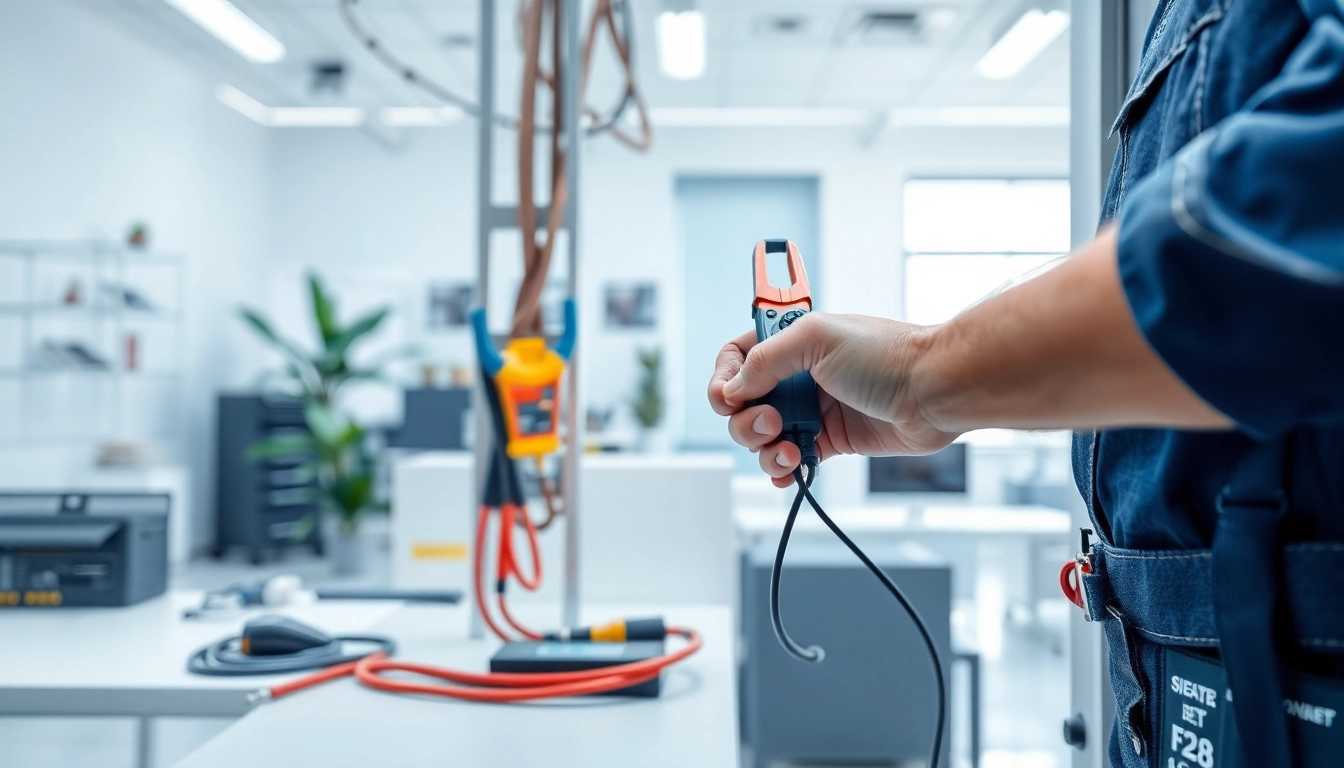
Understanding Electrical Maintenance
What is Electrical Maintenance?
Electrical maintenance refers to the systematic inspection, testing, and correction of electrical systems on a regular basis. It involves a range of procedures aimed at ensuring that electrical installations work efficiently and safely. These procedures can encompass preventive maintenance, such as routine audits and inspections, as well as corrective actions taken in response to identified issues.
Importance of Regular Electrical Maintenance
Regular electrical maintenance is vital for several reasons. Firstly, it enhances the safety of both residential and commercial spaces by reducing the risk of electrical fires and failures. Secondly, it improves system efficiency, which can lead to lower energy costs. Finally, maintaining electrical systems helps prolong the lifespan of equipment, avoiding costly replacements and unplanned outages.
Common Electrical Maintenance Procedures
The common procedures involved in electrical maintenance include inspection and testing of wiring, outlets, and circuit breakers; checking for loose connections; ensuring that grounding systems are intact; and updating any outdated components. Routine cleaning of electrical panels and ensuring that circuit breakers and fuses are functioning correctly also fall under these procedures.
Signs You Need Electrical Maintenance
Frequent Power Outages
If you face frequent power outages, it could signify underlying issues with your electrical system. Such disruptions can be caused by overloaded circuits, malfunctioning equipment, or inadequate wiring. Addressing these concerns promptly can help prevent more significant electrical failures.
Flickering Lights and Appliance Failures
Flickering lights or appliances that fail to run properly are typical signs that your electrical system needs attention. These issues can indicate poor connections, outdated wiring, or overloaded circuits, which can affect your home’s overall electrical performance.
Signs of Wear and Damage
Visible wear and tear on your wiring or electrical components, such as frayed cords, scorch marks, or sparks, are alarming signs that maintenance is needed. Regular inspections can help catch these issues early to avoid potential electrical hazards.
Best Practices for Electrical Maintenance
Creating a Maintenance Schedule
Establishing a maintenance schedule is crucial to keep your electrical systems running smoothly. This should involve periodic inspections, testing, and preventive measures tailored to your specific electrical installations, keeping in mind factors like usage frequency and the age of your equipment.
Using Professional Inspection Services
Hiring professional electricians for regular inspections ensures expert evaluation and identification of any potential issues. They have the training and tools needed to spot problems that a layperson may overlook, providing reliable solutions to ensure safety and efficiency.
DIY Maintenance Tips for Homeowners
Homeowners can also perform some basic DIY maintenance tasks, such as tightening loose screws in outlets, checking for signs of wear on cords, and testing GFCI outlets. However, understanding your limits is essential, as some tasks, especially those involving the main electrical service, require professional assistance.
Impact of Poor Electrical Maintenance
Safety Hazards and Risks
Neglecting electrical maintenance can pose serious safety risks, including electrical burns, shock hazards, and fire incidents. Regular maintenance helps mitigate these hazards, ensuring that your electrical systems remain safe to use.
Potential for Property Damage
Electrical failures due to inadequate maintenance can lead to extensive property damage, including damaged appliances and household items. Furthermore, fires that result from neglect can lead to catastrophic property losses. Investing in electrical maintenance helps protect your property and belongings.
Increased Energy Costs
Poorly maintained electrical systems can operate inefficiently, resulting in higher energy bills. Regular checks and maintenance can optimize energy efficiency, allowing for significant savings in your monthly utility expenses.
Frequently Asked Questions About Electrical Maintenance
How often should I schedule electrical maintenance?
It is advisable to schedule electrical maintenance at least once a year to ensure all systems are functioning efficiently and safely. Homes with heavy electrical usage may require more frequent checks.
What tools are necessary for DIY electrical maintenance?
Basic tools include a multimeter for testing voltage and current, screwdrivers for tightening connections, and wire strippers for repairs. Additional safety gear like rubber gloves and goggles are also recommended.
Can I perform electrical maintenance myself?
While some basic maintenance can be done by homeowners, any work on the main electrical system or complex repairs should be left to qualified professionals to ensure safety and compliance.
What are the benefits of hiring a professional?
Hiring a professional ensures expert evaluations, accurate diagnoses of electrical issues, and compliance with local safety codes, significantly minimizing risks associated with electrical repairs.
How does electrical maintenance improve energy efficiency?
Regular maintenance identifies inefficiencies in systems, such as faulty wiring and outdated appliances, allowing remedies that enhance overall energy efficiency and potentially reduce utility costs.