1. Understanding Vinyl Flooring
What is Vinyl Flooring?
Vinyl flooring is a versatile flooring option that is manufactured from polyvinyl chloride (PVC) and available in various styles and textures. It is increasingly popular for both residential and commercial properties due to its durability, affordability, and ease of maintenance. With advancements in manufacturing technology, vinyl flooring options have evolved significantly, offering designs that mimic natural materials like wood and stone while providing superior water resistance. For those exploring quality options, vinyl flooring can be an outstanding choice for various spaces.
Types of Vinyl Flooring
Vinyl flooring comes in several types, each suitable for different applications and decor styles:
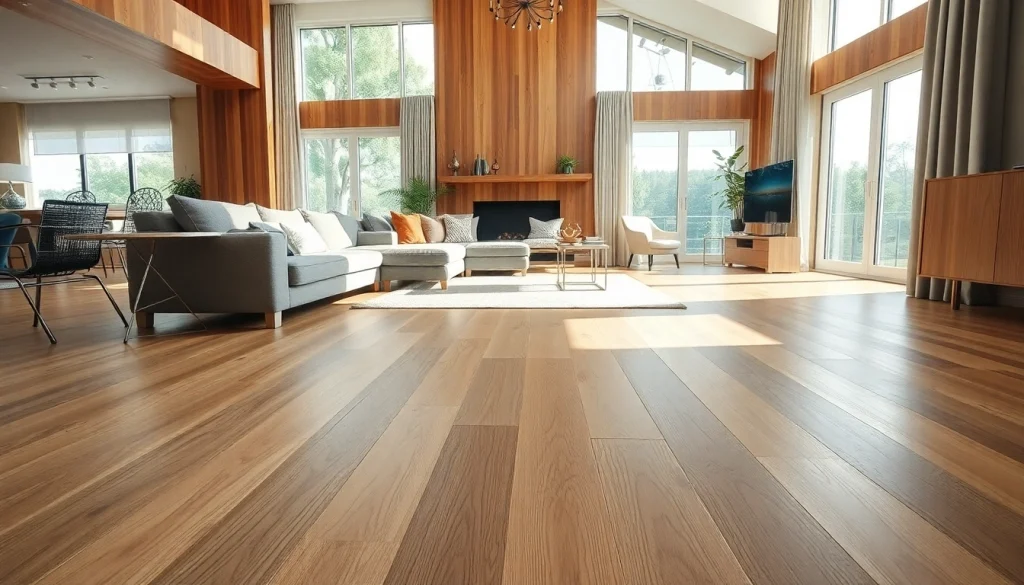
- Luxury Vinyl Plank (LVP): Mimics hardwood floors with a realistic appearance; ideal for residential areas.
- Luxury Vinyl Tile (LVT): Designed to resemble ceramic or stone tiles; suitable for kitchens and bathrooms.
- Sheet Vinyl: Comes in large, flexible sheets; perfect for areas with high moisture, such as laundry rooms.
- Vinyl Composition Tile (VCT): Commonly used in commercial settings, offering high durability and easy maintenance.
Benefits of Choosing Vinyl Flooring
Vinyl flooring offers numerous advantages over traditional flooring materials. Some of the key benefits include:
- Cost-Effective: Generally more affordable than hardwood or natural stone alternatives.
- Water Resistant: Ideal for moisture-prone areas; prevents water damage effectively.
- Easy Installation: Many products feature adhesive backing or click-lock mechanisms, making DIY installation feasible.
- Low Maintenance: Requires minimal upkeep; regular sweeping and occasional mopping are typically sufficient.
- Wide Range of Designs: Available in various colors, patterns, and textures to suit any decor style.
2. Vinyl Flooring Installation Guide
Preparing Your Space for Installation
Proper preparation is crucial for a successful vinyl flooring installation. Start by removing any old flooring and ensuring the subfloor is smooth, clean, and dry. Repair any imperfections such as cracks or holes, as these can affect the final appearance and durability of the flooring. It’s also essential to acclimate the vinyl flooring in the intended room for at least 48 hours before installation, allowing it to adjust to the room’s temperature and humidity.
Steps for a Successful Installation
Follow these steps for an effective installation:
- Gather Tools and Materials: Ensure you have all necessary tools, including a utility knife, measuring tape, chalk line, and roller.
- Measure and Cut: Carefully measure the room, cut the vinyl planks or tiles to fit, and leave expansion gaps around the edges.
- Install the Flooring: Start in the corner of the room and work outward, applying adhesive if necessary, or utilizing the click-lock system, depending on your vinyl type.
- Roll the Floor: Use a roller to apply even pressure across the flooring, ensuring proper adhesion.
- Finishing Touches: Install baseboards or shoe moldings to cover any gaps around the edges.
Common Challenges During Installation
While installing vinyl flooring can be straightforward, some challenges may arise:
- Uneven Subfloor: Can cause visible imperfections; ensure the subfloor is leveled properly before proceeding.
- Temperature Fluctuations: If installed in extreme temperatures, the vinyl can expand or contract, leading to warping.
- Improper Adhesive Use: Always use the recommended adhesive and follow the manufacturer’s guidelines to avoid adhesive failures.
3. Maintenance Tips for Vinyl Flooring
Daily Care for Longevity
To keep your vinyl flooring looking new, regular care is essential. Sweep or vacuum daily to remove dirt and debris that can scratch the surface. Additionally, use a damp mop with a pH-neutral cleaner designed for vinyl to avoid residue build-up and maintain its shine.
Deep Cleaning Techniques
For periodic deep cleaning, follow these steps:
- Vacuum First: Thoroughly vacuum to remove loose particles.
- Mix Cleaner: Prepare a mixture of warm water and an appropriate vinyl cleaning agent.
- Mop the Floor: Use a damp mop to clean the flooring, ensuring that you do not oversaturate it.
- Dry the Area: Wipe any excess moisture to prevent slipping hazards.
Repairing Damage to Vinyl Flooring
Minor scratches and dents can often be repaired simply. For scratches, consider using a repair kit that matches your floor’s color. Deeper gouges may require replacing the affected tile or plank. Always consult the manufacturer’s recommendations for best practices in repairs.
4. Design Ideas Utilizing Vinyl Flooring
Incorporating Vinyl Flooring in Different Rooms
Vinyl flooring can elevate the aesthetic in various home areas:
- Kitchens: Opt for wood-look vinyl for a cozy feel or select patterned tiles for a contemporary kitchen.
- Bathrooms: Waterproof options are ideal, including styles that mimic ceramic.
- Living Rooms: Use warmer tones and textures that create a welcoming atmosphere.
Combining Colors with Vinyl Flooring
Consider color coordination when selecting vinyl flooring. Neutral tones work well in contemporary spaces, while bold colors can serve as a focal point. Pair lighter vinyl with darker furniture for contrast, or choose complementary colors to create harmony across the room.
Innovative Trends in Vinyl Flooring Design
Current trends lean towards sustainable and environmentally friendly designs. Options incorporating recycled materials are becoming popular. Multi-tone designs that blend various shades and textures are also gaining traction, providing unique aesthetics that break away from traditional uniformity.
5. Frequently Asked Questions
How Long Does Vinyl Flooring Last?
With proper care and maintenance, vinyl flooring typically lasts between 10 to 20 years, depending on the quality and type of vinyl used.
Can Vinyl Flooring Be Refinished?
Generally, vinyl flooring cannot be refinished like hardwood; however, surface scratches can be buffed out with the right techniques.
Is Vinyl Flooring Waterproof?
Most vinyl flooring is water-resistant, making it suitable for areas prone to moisture, but it’s essential to check specific product details for true waterproof claims.
Can I Install Vinyl Over Existing Flooring?
Yes, vinyl can often be installed over existing floors, provided the surface is smooth and adheres firmly; consult manufacturer guidelines before proceeding.
What Should I Avoid Using on Vinyl Flooring?
Avoid abrasive cleaners, steam mops, and wax products as they can damage the finish; always opt for vinyl-specific cleaning solutions.