
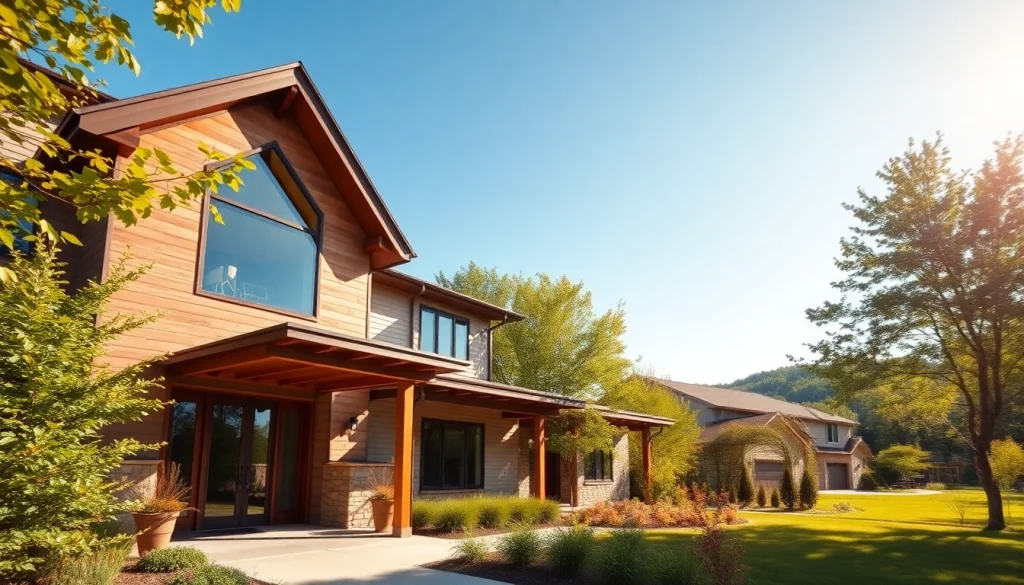
Understanding Massachusetts Residential Architecture
Massachusetts is renowned for its rich historical roots and diverse architectural styles that encapsulate the essence of American history. The blend of colonial heritage and modern innovation has led to a unique form of residential architecture that reflects the local culture, climate, and the values of its inhabitants. Within this context, Massachusetts residential architecture emerges as both a visual treat and a functional necessity. This article delves into the evolution, principles, styles, and practicalities of residential architecture in Massachusetts, aiming to provide valuable insights for homeowners and aspiring architects alike.
The Historical Context of Residential Architecture
The roots of Massachusetts residential architecture can be traced back to the early English settlers who arrived in the 17th century. These settlers brought with them architectural concepts from England, which were adapted based on local resources and climatic conditions. The earliest homes were typically simple, featuring steep roofs, symmetrical facades, and central chimneys—a design that provided both aesthetic value and practicality in a harsh climate. Over time, as the population grew and the state prospered, various architectural styles evolved, including Federal, Greek Revival, and Victorian.
The influence of historical events, such as the American Revolution and the Industrial Revolution, also played a significant role in shaping residential designs. Neighborhoods emerged that mirrored the changing dynamics of urban and rural life across Massachusetts. The transition from the frontier-style homes to more decorative and expansive structures illustrated the state’s prosperity and cultural evolution. Each architectural phase tells a story, providing a historical context that enhances our understanding of current designs and trends.
Key Features of Massachusetts Residential Architecture
Key features of Massachusetts residential architecture often include detailed craftsmanship, varied materials, and stylistic flourishes that reflect both heritage and innovation. Iconic facets often seen in homes across the state include:
- Gable Roofs: A notable feature in many residential buildings, gable roofs are designed to shed snow and water easily.
- Symmetrical Designs: Many homes, especially those influenced by Colonial and Federal styles, display a balanced aesthetic that emphasizes symmetry.
- Porches: Front porches are a common element, offering space for outdoor living while integrating seamlessly with the neighborhood’s social fabric.
- Rich Textures: The use of varied materials, such as brick, clapboard, and shingles, provides depth and visual interest to the buildings.
- Architectural Detailing: From ornate moldings to intricate window designs, detailing plays a crucial role in defining character and style.
Contemporary vs. Traditional Designs
In Massachusetts, there is a vibrant tension between contemporary and traditional architectural styles. Traditional designs, drawing heavily from colonial roots, remain popular, particularly in historic neighborhoods where preservation is key. These homes often feature handcrafted details and classic layouts, appealing to those who cherish historical authenticity.
Conversely, contemporary architecture embraces innovation and modern materials, focusing on sustainable living and energy efficiency. This style often incorporates large glass windows to maximize natural light, open layouts for enhanced functionality, and eco-friendly materials. Elements such as minimalism, functionality, and incorporating indoor/outdoor living spaces are common in contemporary homes, making them especially appealing to younger homeowners seeking modern conveniences without sacrificing style.
Design Principles for Massachusetts Residential Architecture
Maximizing Space and Functionality
Efficient use of space is a fundamental principle of Massachusetts residential architecture. Given the state’s varied landscape and urban settings, architects often design homes that optimize available space through thoughtful layouts. Multi-functional rooms, built-in storage solutions, and open-floor plans are common features that enhance usability without compromising aesthetics.
Moreover, architects leverage vertical space creatively, particularly in compact urban residences. Incorporating tall windows, high ceilings, and lofted areas facilitates a sense of openness, making the most of limited square footage while still ensuring each space serves its intended purpose effectively.
Incorporating Sustainable Practices
With a growing commitment to environmental sustainability, Massachusetts residential architecture increasingly integrates green practices. This includes using eco-friendly materials, implementing energy-efficient systems, and designing homes that minimize environmental impacts. Many architects focus on sustainable building practices that promote energy conservation, such as installing solar panels, high-efficiency HVAC systems, and rainwater harvesting solutions.
Additionally, the incorporation of native landscaping and outdoor spaces serves to enhance the home’s surroundings while preserving local ecosystems. The focus on sustainability aligns with both contemporary trends and the state’s progressive values, appealing to environmentally conscious homeowners.
Adapting to Local Climate
Massachusetts experiences a diverse range of climatic conditions, including cold winters, humid summers, and coastal influences, which significantly impact architectural design. Homes in Massachusetts often reflect adaptations to these conditions, such as the employment of roofs steeply pitched for effective snow shedding or expansive eaves to protect against rain.
Moreover, thermal mass and insulation play critical roles in maintaining comfortable indoor temperatures year-round. Architects also consider local weather patterns when arranging windows and outdoor spaces, ensuring that homes remain pleasant and functional despite variable conditions.
Popular Architectural Styles in Massachusetts
Colonial Revivals
Colonial Revival architecture is one of the most recognized styles in Massachusetts, deeply rooted in the state’s historical heritage. This style draws inspiration from the early American colonial period, characterized by symmetry, classic proportions, and dramatic entrances often embellished with columns and porticos.
Interior features typically include hardwood floors, fireplaces, and crown moldings, reflecting craftsmanship and vintage charm. Colonial Revival homes often serve as a visual reminder of Massachusetts’ storied past, attracting homeowners who appreciate history and tradition.
Modern Minimalism
In stark contrast to more traditional styles, modern minimalism has gained traction, particularly among younger homeowners looking for sleek designs and open, uncluttered spaces. Minimalist architecture focuses on functionality, with homes often featuring open-concept layouts and an emphasis on natural light.
Architectural elements may include flat roofs, geometric shapes, and large windows that blur the line between indoor and outdoor living. This style embodies a lifestyle that values simplicity and efficiency, catering to individuals and families who prefer a more contemporary, less ornate approach to home design.
Cape Cod Inspirations
The Cape Cod style is synonymous with the New England coastline, known for its simplicity and charm. Featuring steep rooflines, symmetrical facades, and dormer windows, Cape Cod homes are often designed for practicality and protection against the elements. Their compact shapes lend themselves well to small plots and coastal settings, making them a popular choice in Massachusetts.
Many Cape Cod homes are adorned with traditional elements like wood siding and shutters, while modern adaptations incorporate open layouts and sustainable features, ensuring their appeal endures through changing architectural trends.
Choosing the Right Architect for Your Massachusetts Home
Essential Qualities to Look For
When selecting an architect for your Massachusetts home, certain qualities can make the process smoother and more successful. Look for architects who are well-versed in local building codes, environmental considerations, and regional styles. A strong portfolio showcasing previous work similar to your vision is crucial, as it demonstrates capability and alignment with your requirements.
Moreover, effective communication is essential; your architect should be attentive to your ideas and preferences, providing suggestions while also valuing your input. Finally, ensuring that your architect has good project management skills will assist in keeping your project on schedule and within budget.
Understanding Architectural Fees
Architectural fees can vary widely based on a range of factors, including the complexity of the project, the architect’s experience, and market conditions. Generally, fees are structured in one of three ways: a percentage of the total construction cost, a fixed fee, or hourly rates. Understanding these options, and how they align with your budget, is paramount to making informed decisions.
Be clear about your goals and constraints from the outset. This transparency not only anticipates potential costs but also fosters a more collaborative working relationship with your architect, leading to alignment of expectations and successful project execution.
Collaboration During the Design Process
The design process for residential architecture is inherently collaborative. Regular communication and feedback loops between the homeowner and architect are critical to ensure that the vision is brought to life accurately. Engage actively in discussions, provide constructive feedback, and be open to suggestions that enhance the functionality and aesthetics of your home.
Also, consider involving other professionals—such as interior designers or landscape architects—early in the process. This can streamline decision-making and results in a cohesive design that aligns with your overall vision while maximizing the potential of your property.
FAQs about Massachusetts Residential Architecture
What are key features of Massachusetts residential architecture?
Key features include gable roofs, symmetrical designs, porches, rich textures, and architectural detailing, encapsulating both practicality and aesthetic appeal.
How can I find a good architect in Massachusetts?
Look for architects familiar with local styles and regulations, check their portfolios, read reviews, and seek recommendations from previous clients to gauge their fit for your project.
What styles influence residential architecture in Massachusetts?
Colonial Revivals, modern minimalism, and Cape Cod inspirations are key influences, each reflecting the region’s unique history and cultural evolution.
Are sustainable practices common in Massachusetts architecture?
Yes, there’s a strong emphasis on sustainability, with many homes incorporating green building materials, energy-efficient systems, and environmentally-friendly landscaping practices.
How do local climates impact architectural design?
The diverse climate of Massachusetts influences design elements such as roof pitch, insulation, window placement, and outdoor spaces, promoting homes that remain functional and comfortable year-round.