
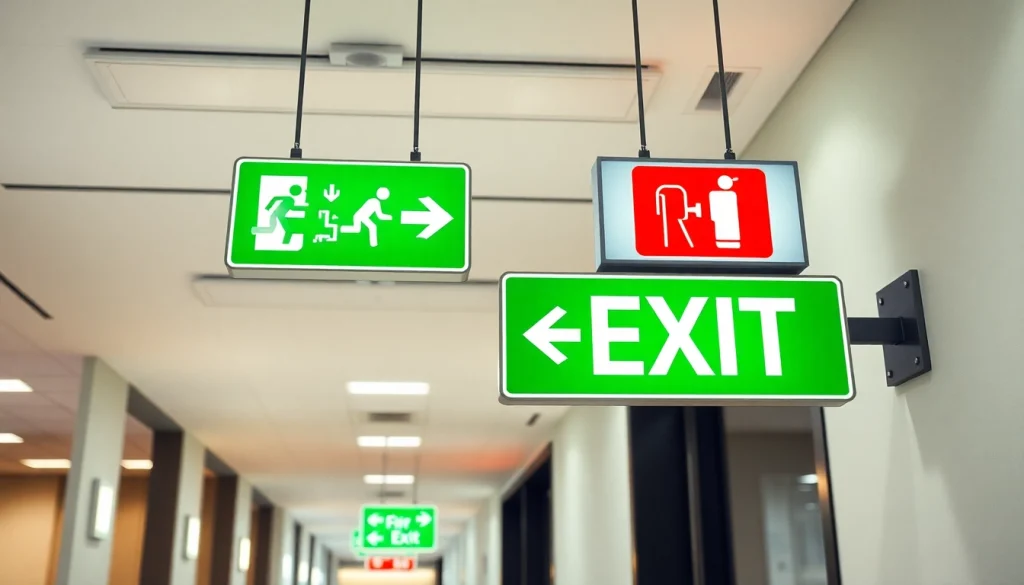
Understanding Fire Exit Signage Kenya
In an era where safety and emergency preparedness are paramount, understanding the significance of fire exit signage Kenya is crucial for both individuals and businesses. Fire exit signage serves as vital communication tools, guiding people to safety during emergencies, particularly in buildings where seconds can make a difference. This article delves into the importance, types, legal compliance, design principles, installation best practices, challenges, and answers to frequently asked questions regarding fire exit signage in Kenya.
Importance of Fire Exit Signage
The primary function of fire exit signage is to provide clear, accessible directions to emergency exits. In the event of a fire or any other emergency requiring evacuation, these signs play a critical role in ensuring that building occupants can find their way to safety quickly and without confusion. Additionally, the presence of adequate signage can significantly reduce panic, allowing for a more orderly evacuation.
Fire exit signage is also an essential aspect of safety audits, which can be conducted by regulatory bodies to ensure compliance with local laws. Inadequate or unclear signage can lead to penalties and, more importantly, pose life-threatening risks in emergencies.
Types of Fire Exit Signage
Fire exit signage can be divided into several categories, each serving a specific purpose:
- Directional Signs: These indicate the path to the nearest exit, often featuring arrows and clear symbols.
- Emergency Exit Signs: Mark exits with messages stating “Emergency Exit” or “Fire Exit,” often in green for visibility.
- Fire Equipment Signs: These indicate the location of fire extinguishers, hoses, and alarms, crucial for immediate response.
- Illuminated Signs: These signs are backlit to ensure visibility during power outages or in dark conditions, enhancing safety.
Legal Compliance in Kenya
In Kenya, fire exit signage must adhere to safety regulations outlined in the Kenyan Building Code. This includes requirements for the visibility of signs, their placement, and the symbols used. Moreover, compliance is integral to meeting the expectations of fire safety and emergency response standards.
Failure to comply with these regulations can result in legal action, fines, and even closure of businesses, emphasizing the necessity for proper knowledge and implementation of these guidelines.
Design Principles for Fire Exit Signage Kenya
Effective Color Schemes
The use of color in fire exit signage is fundamental to its effectiveness. Green is the universal color for exit signs, indicating safety and evacuation routes. Red is typically used for fire equipment and alarms, representing danger. When designing signage, it’s important to ensure that these colors contrast sharply with their backgrounds for maximum visibility.
Moreover, it is advisable to avoid using colors that may lead to confusion. For instance, yellow, while common for warning signs, should not be used in emergency exit contexts.
Symbol Usage and Clarity
Symbols should be universally recognizable to minimize confusion in stressful situations. The “running figure” symbol indicating an exit and the fire extinguisher icon are widely accepted. Clarity is paramount; using text alongside symbols can enhance understanding, especially in multi-lingual environments.
Ensuring that the signage is free from clutter, with a clear focus on essential information, will greatly improve its effectiveness.
Placement Strategies
The placement of fire exit signage is as critical as its design. Signs should be positioned at eye level, ensuring that they are easily visible from various angles and distances. It is standard practice to place signs near exit doors and along escape routes. Key considerations include:
- Distance: Signs must be placed close enough to be visible without requiring extra effort to locate.
- Height: Generally, signs should be positioned 1.5 to 2 meters above ground level.
- Clarity in Layout: Ensure unimpeded sightlines to maximize visibility, especially during emergencies when smoke and chaos may obscure signage.
Best Practices for Installation and Maintenance
Installation Guidelines
Proper installation of fire exit signage is crucial to their functionality. When installing signage, follow these guidelines:
- Use durable materials that can withstand environmental conditions, ensuring longevity.
- Ensure that the signs are securely fastened and not easily removable or subject to damage.
- Regularly check the orientation of the signs to ensure they remain directional under various building layouts.
Regular Maintenance Practices
To ensure that fire exit signage is effective, maintenance should involve regular inspections to check for wear, tear, or obscured visibility. This can include:
- Conducting bi-annual inspections to ensure the signage is intact and visible.
- Replacing any signage that is damaged, faded, or non-compliant.
- Keeping the area around the signage free from obstructions, such as furniture or decorations.
Conducting Safety Drills
Being familiar with the location and purpose of fire exit signs is vital. Conducting regular fire drills will help ensure that all occupants know where to go in case of an emergency. During drills, encourage participants to use the signage and familiarize themselves with routes that may be unfamiliar in stressful situations. Utilizing feedback from drills will also aid in identifying areas for improvement concerning signage placement or visibility.
Common Challenges and Solutions
Overcoming Visibility Issues
Visibility issues can pose significant challenges and can stem from several factors, including poor lighting or obstruction by physical objects. Solutions include:
- Consider using illuminated signs in poorly lit areas or during power outages.
- Regularly audit sign placement to ensure that they remain unobstructed.
- Incorporate reflective materials for outdoor signage, enhancing visibility during night time or adverse weather conditions.
Addressing User Confusion
User confusion can arise from inappropriate signage or unfamiliar icons. Solutions to minimize confusion include:
- Use standardized symbols and language that align with local and international guidelines.
- Train employees about signage and emergency procedures regularly.
- Incorporate multi-lingual signs in facilities with diverse populations.
Incorporating Technology
Advancements in technology offer new solutions for fire exit signage. Digital and smart signs can be programmed to change based on the building layout or specific emergencies. Utilizing apps to provide live updates on emergencies can also guide occupants more effectively. Integrating technology may help to enhance communication and ensure that evacuation protocols are followed seamlessly.
FAQs about Fire Exit Signage Kenya
What are the legal requirements for fire exit signage in Kenya?
In Kenya, fire exit signage must comply with local safety regulations, ensuring clear visibility, proper locations, and specific symbols as outlined in the Kenyan Building Code.
How often should fire exit signage be inspected?
Fire exit signage should be inspected regularly, ideally every six months, to maintain visibility and compliance, particularly after layout changes or usage shifts.
What color is best for fire exit signs?
The best colors for fire exit signs are green for indicating exits and red for fire equipment, ensuring that they stand out clearly against any background.
Are illuminated signs necessary?
Illuminated signs are recommended in dark areas to improve visibility during emergencies, allowing individuals to quickly locate exits anytime, even in low-light conditions.
Can fire exit signage be customized?
Yes, fire exit signage can be customized to include multilingual options and specific instructions while adhering to necessary safety standards.