
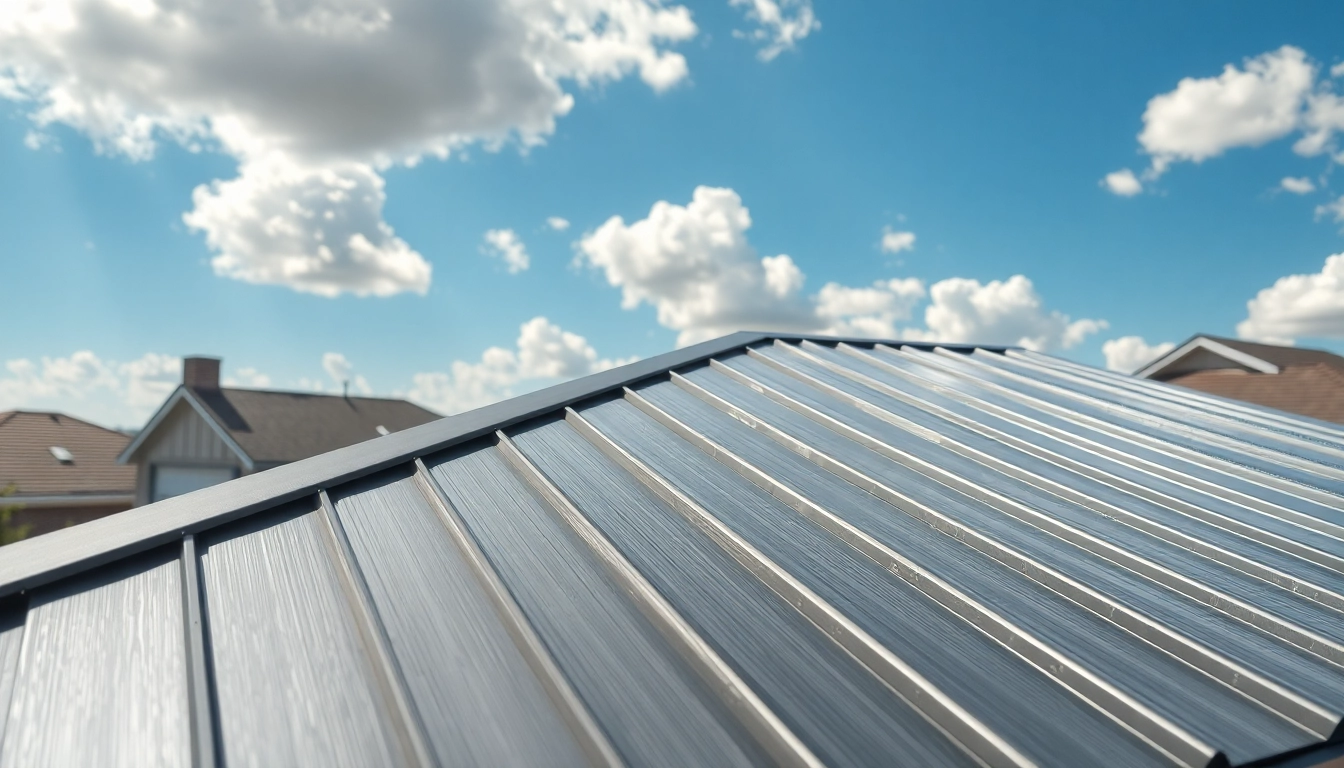
Understanding Metal Roofing
What is Metal Roofing?
Metal roofing refers to a roofing system made from metal materials designed to provide protection and insulation for buildings. This type of roofing can be composed of various metals including steel, aluminum, copper, and zinc. Its popularity is attributed to a combination of durability, longevity, and aesthetic appeal, making it suitable for residential, commercial, and industrial applications. Metal roofing systems are available in different styles and finishes, allowing for a versatile range of design possibilities.
Advantages of Metal Roofing
Choosing metal roofing can offer several benefits, some of which are outlined below:
- Durability: Metal roofs resist extreme weather conditions, including heavy rainfall, high winds, and hail, lasting upwards of 50 years with proper maintenance.
- Energy Efficiency: With reflective properties, metal roofing can help lower energy bills by reducing cooling costs in hot climates.
- Low Maintenance: Metal roofs require minimal maintenance compared to traditional materials, as they are less susceptible to mold, mildew, and rot.
- Fire Resistance: Metal roofing is non-combustible, providing enhanced safety in fire-prone areas.
- Eco-Friendly: Many metal roofing materials are made from recycled content and are completely recyclable at the end of their lifespan.
Types of Metal Roofing Materials
Various materials can be used for metal roofing, each with its unique characteristics:
- Steel: Often galvanized or painted, steel is highly durable and resistant to rust. It’s one of the most affordable metal roofing options.
- Aluminum: Lightweight and resistant to corrosion, aluminum roofing is an excellent choice in coastal areas where salt exposure is a concern.
- Copper: Known for its rich appearance and longevity, copper develops a distinctive patina over time and is often used for architectural accents.
- Zinc: Similar to copper, zinc develops a protective patina and is known for its ability to self-heal minor scratches or damage.
Installation Process of Metal Roofing
Preparing Your Home for Metal Roofing
Proper preparation is essential for a successful metal roofing installation. Here are key steps in the preparation process:
- Inspect Existing Roof: Evaluate your current roofing structure for any damages or weaknesses that need addressing before installation.
- Plan for Weather: Schedule installation during favorable weather, avoiding high winds and rain to ensure safety and quality work.
- Check Local Codes: Familiarize yourself with local building codes to ensure compliance with regulations concerning materials and installation practices.
- Gather Tools and Materials: Ensure all required tools and materials are ready for the installation process to avoid delays.
Step-by-Step Installation Guide
The installation of metal roofing generally follows these steps:
- Remove Existing Roof: If replacing an old roof, carefully remove it and inspect the decking for repairs.
- Install Underlayment: A weather-resistant underlayment should be installed to provide an extra layer of protection against leaks.
- Layout Panels: Layout the metal panels on the roof in accordance with the manufacturer’s specifications, ensuring they are aligned correctly.
- Secure Panels: Begin fastening the panels at the eaves and work your way up, ensuring overlaps are secured to avoid water infiltration.
- Add Trim and Accessories: Finally, install trim, ridge caps, and any additional accessories to enhance the roof’s durability and appearance.
Common Mistakes to Avoid
When installing metal roofing, several common mistakes can arise. Here are some pitfalls to be mindful of:
- Neglecting Proper Ventilation: Adequate ventilation is crucial to prevent moisture accumulation that can lead to premature roof deterioration.
- Incorrect Panel Overlap: Failing to properly overlap panels can lead to leaks and water damage.
- Improper Fastening: Using incorrect screws or failing to secure panels adequately can compromise the roof’s integrity.
- Forgetting About Expansion: Metal expands and contracts with temperature changes; ensure ample space for this movement to avoid warping.
Maintenance for Longevity
Regular Inspection Tips
Regular inspections can significantly extend the life of metal roofing. Here are tips for effective evaluations:
- Check for Damage: Periodically examine the roof for dents, scratches, or rust that could jeopardize the roofing material.
- Inspect Seams and Joints: Pay special attention to seams and joints during inspections as these spots are more susceptible to leaks.
- Evaluate Flashing: Ensure that flashing remains intact and well-sealed around chimneys, vents, and other roof penetrations.
- Look for Algae or Moss: Remove any growth to prevent damage to the roofing material.
Cleaning Your Metal Roofing
Keeping your metal roof clean is vital for longevity. Here are cleaning guidelines:
- Use Mild Detergents: Utilize a mixture of water and mild detergent for cleaning; avoid harsh chemicals that can damage finishes.
- Employ a Soft-Bristle Brush: Gently scrub the surface using a soft-bristle brush to remove dirt and debris.
- Rinse Thoroughly: After cleaning, rinse the surface thoroughly to remove all detergent residue.
- Remove Debris: Clear off leaves and other debris from valleys and gutters to ensure proper drainage.
Signs Your Metal Roofing Needs Repairs
Signs of wear and tear should prompt immediate action to prevent costly repairs. Look for these indicators:
- Dents or Campaigns: Visible damage from hail or debris can compromise the roof’s function.
- Rust Patches: Rust or corrosion indicates metal deterioration and potential leaks.
- Leaking Indoors: Water leaks during storms suggest a failure in the roof’s seals or paneling.
- Excessive Noise: Unusual noises during storms can signal loose panels or fasteners.
Cost Considerations for Metal Roofing
Factors Affecting Metal Roofing Costs
Several factors can influence the total cost of metal roofing:
- Material Type: The choice of material affects overall cost, with copper generally being the most expensive.
- Roof Size and Pitch: Larger roofs or those with steep pitches require more materials and labor, thus increasing costs.
- Labor Costs: Installation complexity and local labor rates can impact the total expense significantly.
- Trimming and Accessories: Additional features such as flashing, ventilation, and color coatings will add to the overall investment.
Comparing Metal Roofing to Other Materials
When evaluating metal roofing against traditional roofing materials like asphalt shingles, consider:
- Longevity: Metal roofs last significantly longer than asphalt, often requiring fewer replacements.
- Maintenance Costs: Metal roofs incur lower maintenance costs due to their durability and resistance to adverse weather.
- Energy Efficiency: Metal roofing typically outperforms other materials in energy savings, reflecting solar energy and reducing cooling costs.
Budgeting for Installation and Maintenance
Budgeting for metal roofing should consider both initial and long-term costs. Be sure to account for the following:
- Installation Costs: Gather estimates from contractors and assess material and labor costs.
- Maintenance Provisions: Factor regular inspections and cleaning into your yearly budget to prolong roof lifespan.
- Potential Repairs: Set aside funds for unexpected repairs to address any wear and tear over time.
FAQs About Metal Roofing
How long does metal roofing last?
Metal roofing can last 40 to 70 years, depending on the material, installation quality, and maintenance practices.
Is metal roofing noisy during rain?
When properly insulated and installed, metal roofing is not significantly noisier than other materials during rain or hail.
Can I install metal roofing myself?
While DIY installation is possible, it is recommended to hire professionals for optimal safety and quality unless you have roofing experience.
What colors are available for metal roofing?
Metal roofing comes in a variety of colors, often including classic hues like black, grey, green, red, and custom colors to fit your home’s design.
Is metal roofing energy-efficient?
Yes, metal roofing reflects sunlight, reducing heat absorption and lowering energy costs for cooling in hot climates.