Understanding the Importance of Construction Safety Training
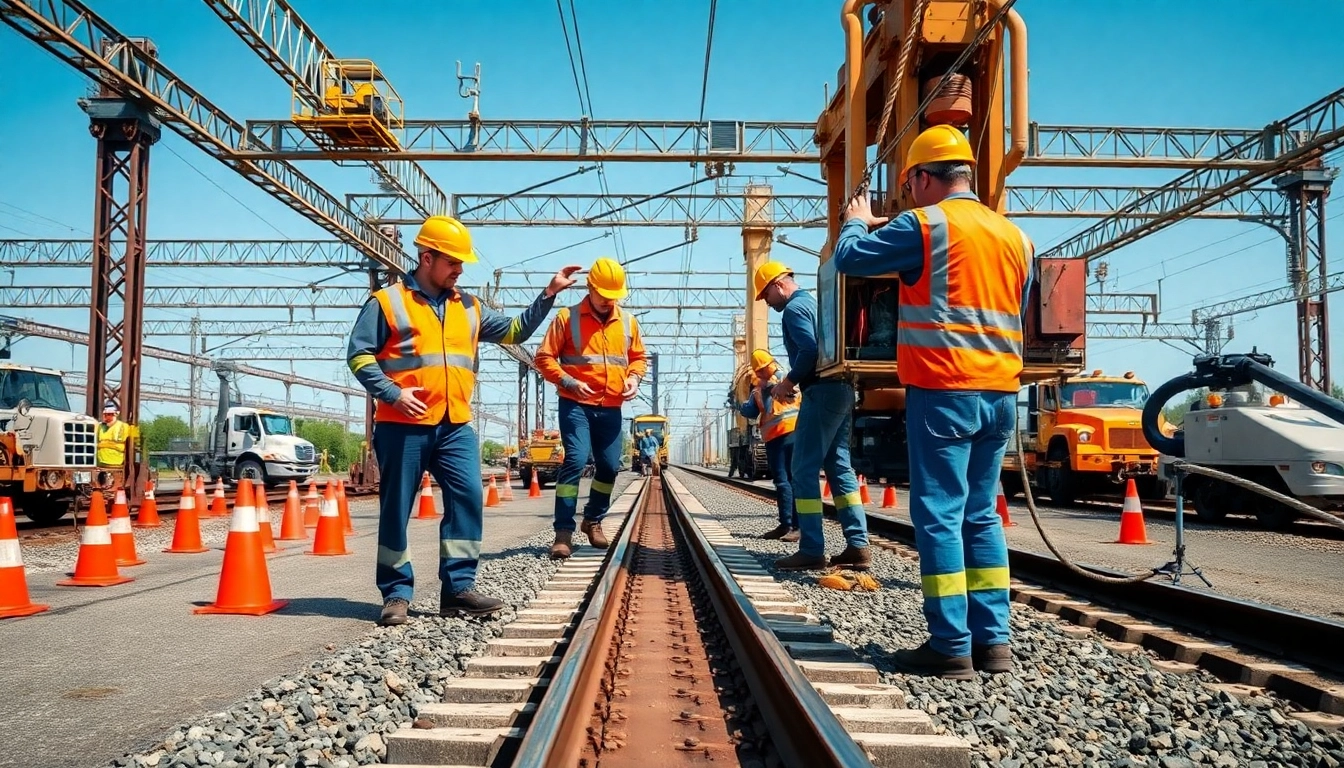
In the construction industry, safety is paramount, and the foundation for a safe work environment is robust construction safety training. Construction sites are inherently hazardous, with multiple factors contributing to potential accidents. Effective safety training programs are not only vital for compliance with regulations but also for cultivating a culture of safety among workers. By understanding the critical role of safety training, employers can significantly minimize risks and enhance overall workforce well-being.
The Role of Safety Training in Minimizing Accidents
Safety training plays a pivotal role in accident prevention by equipping employees with the knowledge and skills needed to identify and mitigate risks. Recent studies indicate that organizations implementing comprehensive safety training protocols experience up to a 70% reduction in workplace accidents. This investment in training helps instill a proactive safety mindset, empowering workers to take responsibility for their own safety and that of their colleagues.
Legal Requirements for Construction Safety Training
Employers are legally obligated to provide safety training under various occupational safety regulations, including the Occupational Safety and Health Administration (OSHA) standards. These laws require specific training programs tailored to the hazards faced on the job. Failure to comply can result in significant penalties and increased liability in case of accidents. Understanding these legal requirements is crucial for both employers and employees, ensuring that safety protocols are met and maintained.
Key Benefits of Implementing Safety Training Programs
A well-structured safety training program offers numerous benefits beyond compliance. Firstly, it improves worker morale and productivity, as employees feel safer and more valued. Secondly, effective training reduces the likelihood of costly accidents and injuries, leading to lower insurance premiums and reduced liability claims. Thirdly, organizations that prioritize safety reflect a commitment to quality, fostering trust and enhancing their reputational standing in the industry.
Essential Components of a Construction Safety Training Program
Identifying Risk Areas in Construction Projects
To design an effective safety training program, it is essential first to identify the specific risks associated with construction projects. Common risk areas include working at heights, electrical hazards, machinery operation, and exposure to harmful substances. Conducting a thorough risk assessment allows organizations to tailor their training programs, focusing on the areas most likely to result in incidents. This proactive step significantly enhances the efficacy of safety initiatives.
Best Practices for Designing an Effective Training Curriculum
An effective construction safety training curriculum should be comprehensive, engaging, and practical. Best practices include incorporating a variety of teaching methods, such as lectures, videos, and simulations, to address different learning styles. It is also important to ensure that the training content remains relevant and up-to-date, reflecting both emerging safety concerns and industry changes. Setting clear, measurable learning objectives helps gauge the program’s success and ensures accountability.
Integration of Hands-On Training Techniques
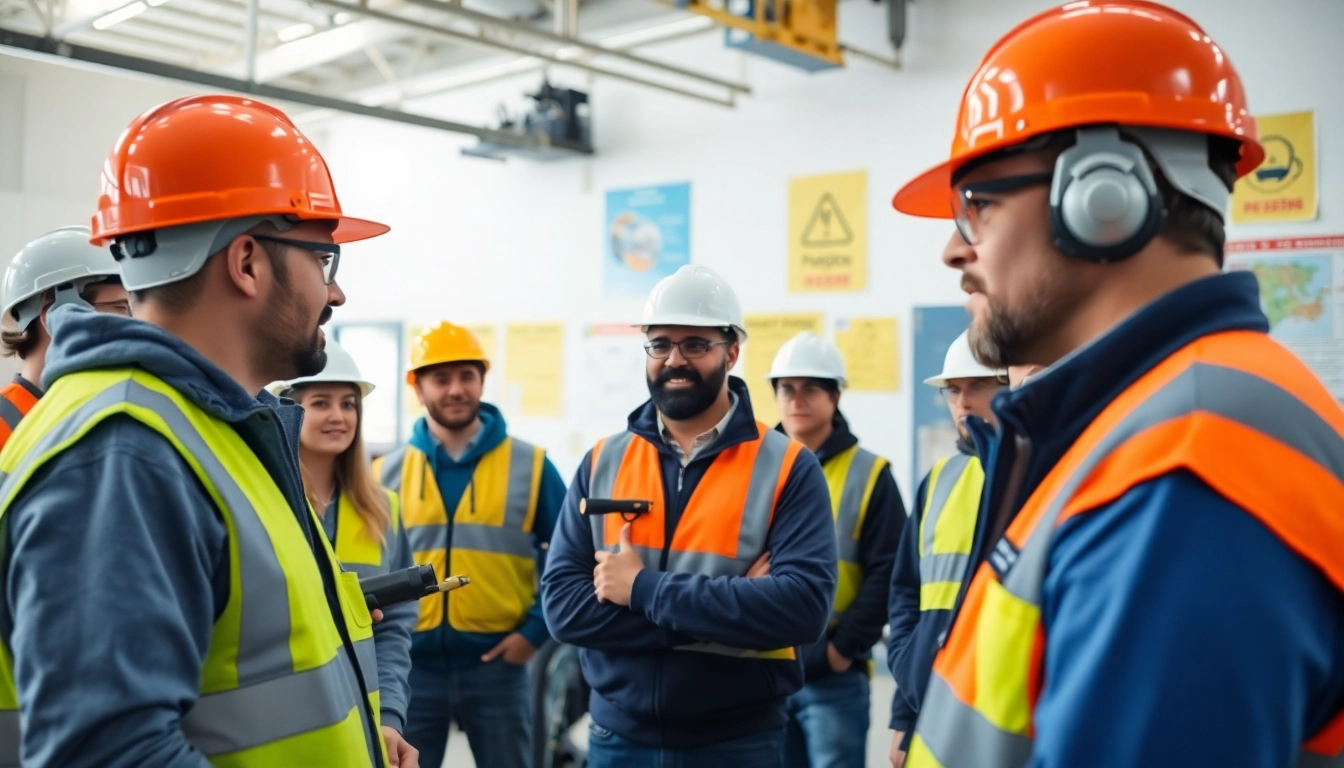
Hands-on training is a critical component of construction safety education. It allows workers to practice skills in real-life scenarios, reinforcing theoretical knowledge. Techniques such as role-playing and simulated exercises facilitate experiential learning and help employees retain information more effectively. This approach also encourages teamwork and communication among employees, further strengthening the safety culture on construction sites.
Common Challenges in Construction Safety Training
Overcoming Employee Resistance to Safety Training
Employee resistance to safety training can pose significant obstacles. Often, workers may view training as an unnecessary burden or a waste of time. To overcome this resistance, organizations should emphasize the personal benefits of safety training, such as injury prevention and enhanced job security. Engaging employees in the training development process can also foster a sense of ownership and responsibility, reducing pushback and promoting participation.
Addressing Language and Cultural Barriers
Construction sites are often staffed by workers from diverse cultural backgrounds, which can lead to language barriers affecting training effectiveness. To address this challenge, employers should offer multilingual training resources and utilize visual aids to facilitate understanding. Incorporating cultural sensitivity into the training material helps create a more inclusive environment, ensuring that all employees can engage with the content meaningfully.
Managing Time Constraints in Training Schedules
Time constraints often limit the ability to conduct thorough safety training. To effectively manage schedules, organizations should integrate training into regular work routines, utilizing short sessions that fit within daily operations. Additionally, adopting flexible online training modules can provide employees with the opportunity to learn at their own pace while minimizing disruptions to productivity.
Measuring the Effectiveness of Construction Safety Training
Key Performance Indicators to Monitor
To determine the effectiveness of construction safety training, organizations must establish key performance indicators (KPIs). Relevant KPIs may include the number of incidents reported, near-misses, employee feedback on training sessions, and subsequent safety audit results. Regularly assessing these indicators provides insight into the training’s impact and guides necessary adjustments to improve outcomes.
Feedback Mechanisms for Continuous Improvement
Continuous improvement is essential for maintaining effective safety training programs. Gathering feedback through surveys and focus groups allows organizations to identify areas for enhancement and adapt their training approaches accordingly. Encouraging open dialogue about safety experiences and challenges fosters a culture of improvement and accountability, driving long-term success.
Case Studies Demonstrating Training Impact
Case studies serve as powerful evidence of the impact of safety training in the construction sector. For example, a large construction firm that implemented a comprehensive safety training program saw a 40% reduction in injury rates within a year. By analyzing case studies, organizations can glean insights into best practices, challenges faced, and effective solutions that have proven beneficial in real-world scenarios.
Frequently Asked Questions about Construction Safety Training
What topics should be included in construction safety training?
A comprehensive program should cover hazard recognition, emergency procedures, and proper use of personal protective equipment (PPE).
How often should safety training be conducted?
Safety training should be conducted regularly, with annual refreshers and immediate retraining after incidents or changes in procedures.
Are online training programs effective for construction safety?
Yes, online programs can be effective, especially when combined with hands-on training to reinforce learning and engagement.
What is the legal obligation for employers regarding safety training?
Employers are legally required to provide a safe work environment and appropriate training on hazards related to construction work.
How can I improve employee participation in safety training?
Enhance engagement by incorporating interactive methods, offering incentives, and emphasizing the personal impact of safety.