Understanding Structural Steel Fabrication
What is Structural Steel Fabrication?
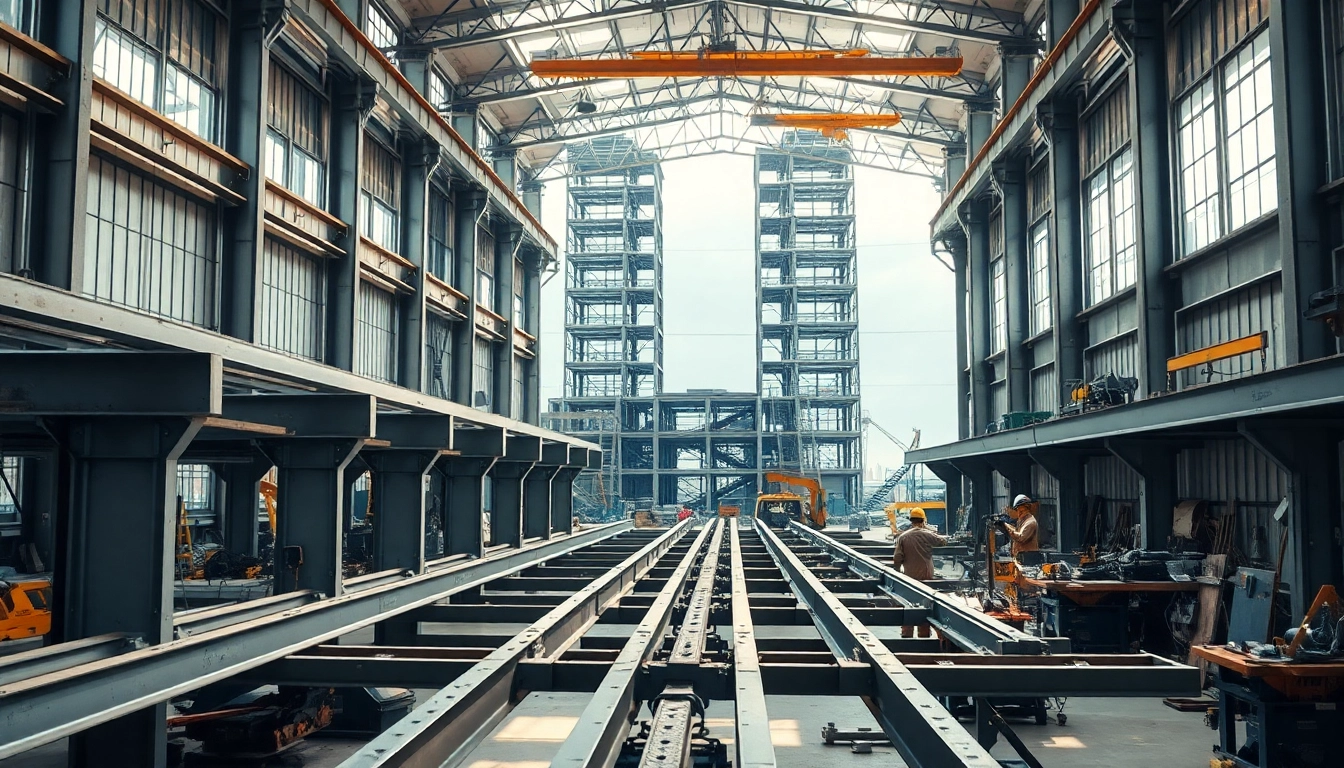
Structural steel fabrication refers to the process of designing, shaping, and assembling various structural components made from steel to create buildings, bridges, and other infrastructures. This process encompasses various activities, including cutting, bending, and assembling metal to form final products that comply with specific design requirements. The fabrication of structural steel is integral to the construction industry, serving as the backbone of many architectural projects, thanks to its strength, durability, and versatility. By investing in structural steel fabrication, companies can ensure longer-lasting structures while adhering to safety standards.
Key Components and Materials in Steel Fabrication
The primary materials used in structural steel fabrication include various steel grades, which are selected based on their strength, ductility, and corrosion resistance. Common types of steel used include carbon steel, alloy steel, and stainless steel, each tailored for specific applications. Key components pertinent to the fabrication process include:
- Steel Beams: Horizontal supports that bear loads from above.
- Columns: Vertical structures that provide support for the building.
- Plates and Sheets: Flat pieces that can be cut and shaped into other forms.
- Angles: L-shaped pieces often used in bracing and supports.
These components can be manufactured in various sizes and configurations to suit the specific needs of a project, providing essential strength and resilience to the overall structure.
The Importance of Quality Control in Fabrication
Quality control is vital in structural steel fabrication, ensuring that all components meet specified standards and regulations. Effective quality control processes minimize risks associated with structural failures, ensuring safety and saving costs in the long run. This involves various assessments at different stages of fabrication, including:
- Material Inspection: Verifying the material’s properties and certifications upon delivery.
- Dimensional Checks: Ensuring components are cut and shaped accurately according to design specifications.
- Welding Inspections: Confirming that welding procedures are performed in compliance with standards.
Implementing advanced quality management systems can significantly enhance the reliability and durability of fabricated structures.
Common Challenges in Structural Steel Fabrication
Addressing Design and Engineering Issues
Design discrepancies often lead to increased costs and delays in projects. To overcome these challenges, effective collaboration between architects, engineers, and fabricators is essential. Utilizing Building Information Modeling (BIM) can facilitate comprehensive visualizations and simulations, allowing stakeholders to identify potential issues early in the design phase.
Mitigating Safety Risks in Steel Workshops
Workers in steel fabrication workshops face numerous hazards, including falls, heavy machinery accidents, and exposure to harmful materials. To address these risks, companies must implement rigorous safety protocols, provide proper training, and ensure the availability of personal protective equipment (PPE). Regular safety audits and a strong focus on safety culture can significantly reduce workplace incidents.
Navigating Supply Chain Disruptions
Global supply chain disruptions can severely affect the availability of raw materials essential to steel fabrication. Companies must maintain robust relationships with multiple suppliers and consider local sourcing as a strategy to mitigate risks. Additionally, implementing just-in-time inventory practices can help companies respond more swiftly to supply challenges.
Techniques and Processes in Steel Fabrication
Welding vs. Bolting: Pros and Cons
Welding and bolting are two primary methods of joining structural steel components, each with its advantages and disadvantages. Welding typically provides a stronger, more durable joint suitable for high-stress applications but requires skilled labor and may introduce stresses in the materials. In contrast, bolting is generally easier to execute and requires less skilled labor, making it a more flexible option, especially in modular construction. However, bolted connections may not reach the same load capacities as welded ones.
The Role of CNC Technology in Modern Fabrication
Computer Numerical Control (CNC) technology has revolutionized structural steel fabrication by enhancing precision, efficiency, and repeatability. CNC machines can perform cutting, drilling, and shaping with high accuracy, reducing human error and increasing production speed. By adopting CNC technology, companies can streamline their fabrication processes and deliver higher quality products.
Finishing Techniques: Painting and Coating Options
Finishing techniques such as painting and coating are crucial for protecting steel structures from corrosion and environmental damage. Traditional painting methods can be labor-intensive and require meticulous preparation. In contrast, modern coating technologies, such as galvanizing and powder coating, provide superior protection and require less ongoing maintenance. Evaluating the specific environmental conditions and performance requirements is essential when selecting the appropriate finishing technique.
Best Practices for Efficient Steel Fabrication
Implementing Lean Manufacturing Principles
Lean manufacturing principles focus on minimizing waste while maximizing productivity. Applying methods such as value stream mapping and continuous flow can help steel fabrication companies streamline their processes. Techniques like 5S (Sort, Set in order, Shine, Standardize, Sustain) can enhance workplace organization, which is vital for maintaining efficiency and safety in fabrication operations.
Training and Skill Development for Workers
Investing in training and skill development is crucial for maintaining a capable workforce in structural steel fabrication. Companies should implement regular training programs that address new technologies, safety protocols, and fabrication techniques. Certification programs can also enhance workers’ credibility and boost their morale, ultimately contributing to improved productivity and quality.
Maintenance and Upkeep of Fabrication Equipment
Proper maintenance of equipment is essential to ensure longevity and reliability in steel fabrication. Regular inspections, timely repairs, and adherence to manufacturer guidelines can prevent unexpected machinery failures and costly downtime. Developing a proactive maintenance schedule encourages a culture of efficiency and can ultimately save companies significant amounts in operational costs.
Evaluating Performance Metrics in Fabrication Projects
Key Performance Indicators (KPIs) in Steel Fabrication
Tracking Key Performance Indicators (KPIs) is fundamental to assessing the efficiency and effectiveness of fabrication processes. Common KPIs include:
- Production Rates: The number of units produced within a given time frame.
- Quality Rates: The percentage of products meeting quality standards on the first inspection.
- Utilization Rates: A measure of how effectively equipment and labor are used in production.
Monitoring these metrics allows companies to identify areas for improvement and optimize their operations.
Assessing Project Costs and Profitability
Understanding the financial aspects of fabrication projects is crucial to sustaining a profitable business. Companies should conduct thorough cost assessments before starting projects, including accounting for labor, materials, tooling, and overhead expenses. Regular audits of budget versus actual spend provide insights into profitability and encourage more informed decision-making for future projects.
Continuous Improvement Through Feedback Mechanisms
Implementing feedback mechanisms is vital for fostering a culture of continuous improvement within fabrication processes. Regularly soliciting input from workers and clients can uncover valuable insights that drive better outcomes and enhance overall quality. Companies can also leverage retrospective meetings to review project outcomes and identify lessons learned, ensuring that they remain competitive in the changing landscape of the construction industry.