Understanding Fly Fishing Line Types
Choosing the right fly fishing line is crucial for successful angling. With various types of lines available, understanding their differences and suitable applications can significantly enhance an angler’s experience. In this section, we’ll explore the three primary categories of fly fishing lines: floating, sinking, and intermediate lines.
Floating, Sinking, and Intermediate Lines
Fly fishing lines are categorized based on their buoyancy and intended usage:
- Floating Lines: These lines are designed to stay on the water’s surface, making them ideal for surface fishing techniques. They allow for dry flies and poppers to be effectively presented to fish. Floating lines are versatile and can be used in various conditions.
- Sinking Lines: As the name suggests, sinking lines are designed to submerge beneath the surface. They are excellent for targeting fish that feed below the water column, such as bass or trout in deeper pools. There are different types of sinking lines, including full sinking and sink-tip lines which provide varying levels of submerged reach.
- Intermediate Lines: These lines have a neutral buoyancy, which allows them to sink slowly. They’re perfect for searching areas that aren’t too deep but not on the surface, such as transitioning zones where fish might be feeding just below the surface.
Choosing the Right Weight for Your Needs
When selecting fly fishing lines, weight is a critical factor. Fly line weight is designated by a number ranging from 1 (lightest) to 12 (heaviest). The right line weight should be matched with the rod weight, as this ensures optimal casting performance. A general guideline is to choose a line that is equal to the weight of your rod, often indicated on the rod itself. For instance, if your rod is rated for a 5-weight line, using a 5-weight line is the best approach for maximum efficiency and accuracy in casting.
Line Tapers Explained: What You Need to Know
Line taper refers to the way a fly line’s thickness changes along its length. The taper influences the line’s presentation, turnover, and accuracy:
- Weight-Forward Taper: This line has a thick front end that allows for quick casting and controlled turnover, making it ideal for longer distances.
- Double Taper: Characterized by a uniform diameter and tapering on both ends, these lines are perfect for short casts and delicate presentations, providing versatility in close-range fishing.
- Shooting Taper: With a front-loaded design intended for long-distance casting, shooting tapers are effective in windy conditions, perfect for experienced anglers looking to cast great distances.
How to Properly Spool and Manage Fly Fishing Line
Step-by-Step Guide to Spooling
Properly spooling your fly line ensures a smooth fishing experience. Follow these steps:
- Gather your materials: You will need the fly reel, backing line, and fly line.
- Attach the backing line to the spool. Use a double uni-knot to connect the backing to the fly line.
- While holding the spool of your fly line, wind it onto the reel with a moderate tension to avoid line tangles.
- Ensure that the line is spooled evenly across the reel. Regularly check to ensure there are no twists or kinks during the spooling process.
- Once complete, trim any excess backing and ensure the line is ready for use.
Tips for Line Maintenance and Care
Maintaining your fly fishing line is essential for longevity and performance:
- Regularly clean your line with mild soap and water to remove dirt and debris.
- Store your line properly when not in use, avoiding excessive heat or sun exposure, which can degrade the line’s quality.
- Inspect your line for abrasions or damage and replace sections of the line as necessary to maintain optimal performance.
Understanding Backing and Its Importance
Backing serves as a crucial component of your fly fishing setup, providing additional line capacity on the reel. Beyond simply holding the line, it also aids in fighting larger fish. Choosing the appropriate backing material, typically made of braided Dacron or gel-spun polyethylene, significantly affects your ability to land fish during intense fights.
Regardless of the size of fish you anticipate, always ensure you have enough backing to give you that extra leverage when necessary.
Common Challenges with Fly Fishing Line
Dealing with Line Memory and Coiling
Line memory occurs when a fly line retains the curvature it assumes while spooled. This can lead to coiling and poor casting performance. To minimize line memory:
- Store your fly line flat and avoid keeping it coiled for extended periods.
- Use line treatments to help reduce memory and improve flow.
- When you notice coiling, lightly stretch the line while it is submerged in water for a few minutes before use.
How to Repair Damaged Fly Fishing Line
Despite careful handling, accidents happen, and lines may become damaged. Repairing a fly line can extend its usability:
- For small nicks or cuts, use a line repair kit with a patching solution specifically designed for fly lines.
- For more extensive damage, consider cutting the damaged section away and using a surgeon’s knot to join the line back together. Always ensure the connection is smooth to avoid snags during casting.
Performance Issues: When to Replace Your Line
Recognizing when it’s time to replace your line is critical to maintaining high fishing efficiency. Signs include:
- Visible wear and tear, such as frays or cracks in the outer coating.
- Loss of buoyancy in floating lines or performance in sinking lines.
- Difficulty in casting at normal distances, indicating that the line’s characteristics have degraded.
Advanced Techniques for Using Fly Fishing Line
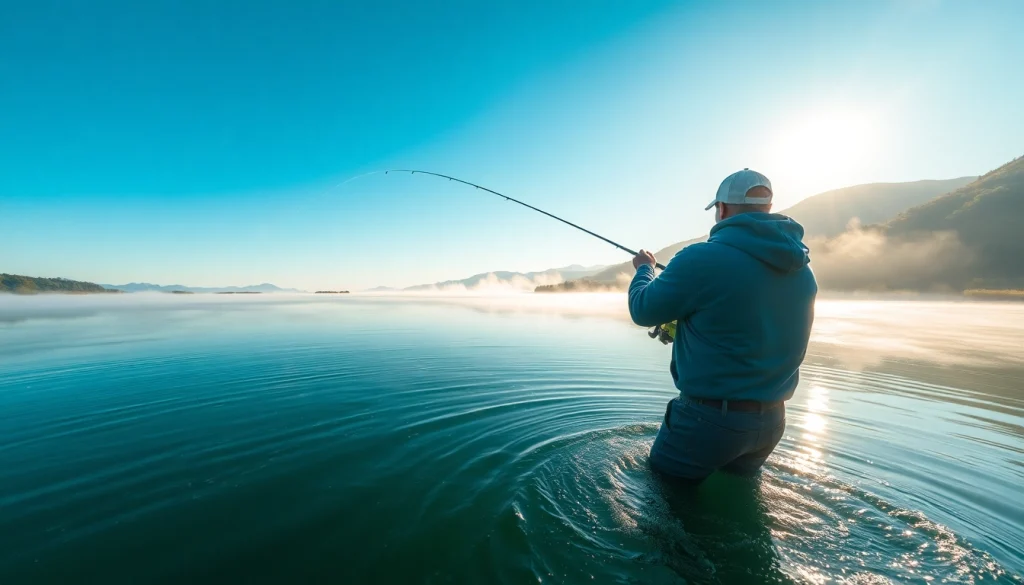
Mastering the Art of Line Casting
Effective casting is a combination of technique and equipment handling. Here are some advanced casting techniques:
- Roll Cast: Ideal for short distances and confined spaces. Use this technique to present flies without backcasting.
- Double Haul: An essential technique for adding distance to your cast by pulling on the line with the non-casting hand during backcast and forward cast.
- Ease of Presentation: Knowing when to employ a gentle presentation versus a more forceful cast can greatly influence success in different conditions.
Understanding Line Drag and How to Control It
Line drag affects how your fly moves through the water. Controlling drag is essential for enticing fish:
- Adjust the angle of your rod and line relative to the current for better control.
- When fishing at distance, consider using longer leaders to reduce drag on the fly.
- Use a reach cast to lay the line across the current, minimizing drag on the fly.
Using Fly Line as a Tool for Different Species
Different fish species require different approaches in terms of line selection, technique, and presentation:
- For trout, presentation is key; using dry flies with floating lines can entice rising fish.
- For bass, consider using bass bugs and heavier sinking lines to get your flies down quickly.
- In saltwater scenarios for species like tarpon or bonefish, fast, responsive lines with quick retrieval are essential.
Measuring Performance and Success with Fly Fishing Line
Key Metrics to Evaluate Your Setup
To assess the effectiveness of your fly fishing line setup, consider the following metrics:
- Cast Accuracy: Evaluate how often you can place your fly in the desired location.
- Distance: Keep track of the maximum distance you can cast without losing control or accuracy.
- Fish Caught: While this is the ultimate metric, analyze conditions to find patterns indicating your line’s success in specific environments.
Comparing Line Brands: What’s Most Effective?
With numerous fly line brands on the market, understanding brand effectiveness can help. Research comparisons typically includes:
- Durability ratings and reviews based on user experiences.
- Performance tests in various conditions: freshwater versus saltwater.
- Pricing vs. quality perceptions among the angler community—identify value brands versus premium options.
Testimonials: Anglers Share Their Experiences
Gathering insights from fellow anglers can provide valuable information. Platforms like forums and social media allow anglers to share their experiences:
- Personal stories of successes or failures can guide future purchasing decisions and technique adjustments.
- Many experienced anglers note the importance of innovative design features introduced by certain brands over the years.