Understanding Fly Fishing Boots
What are Fly Fishing Boots?
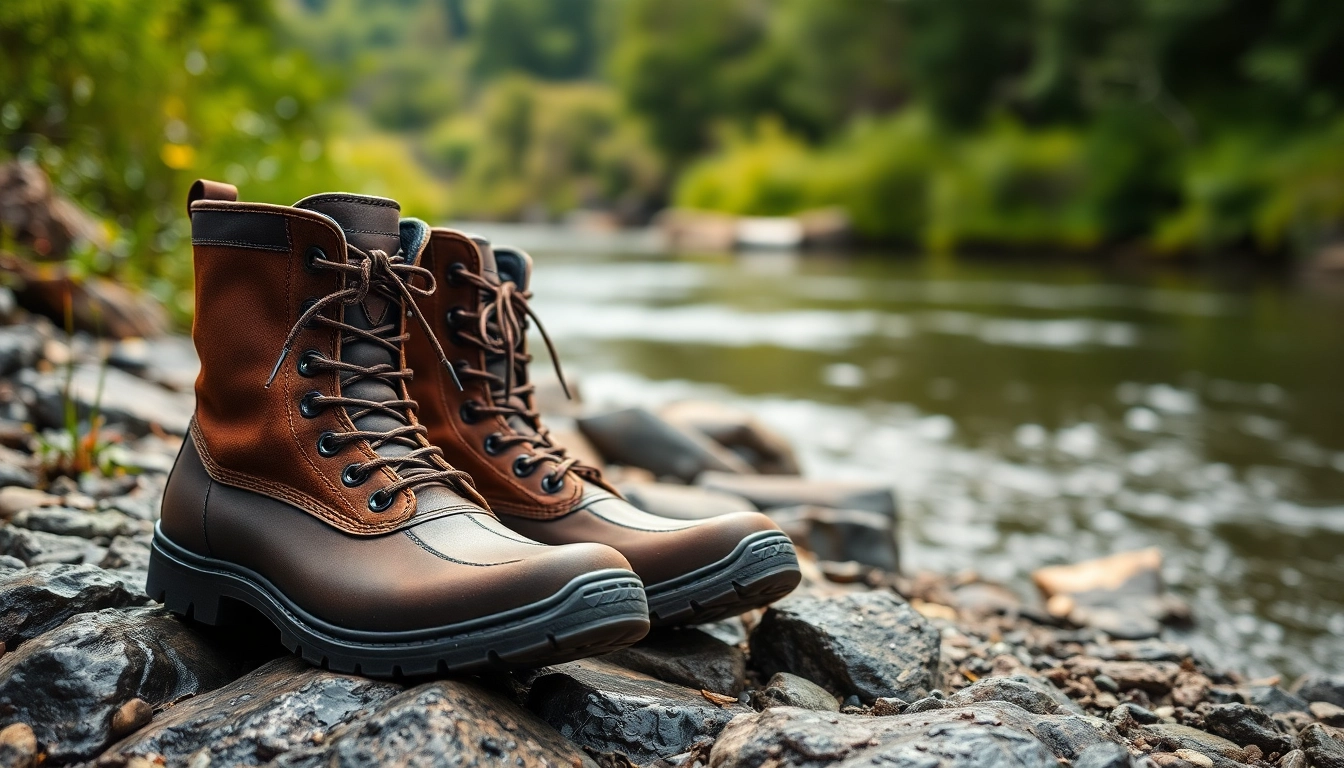
Fly fishing boots are specialized footwear designed to protect anglers while wading in rivers, streams, and various aquatic environments. These boots offer the necessary support, traction, and comfort needed during fishing adventures and are integrated with advanced materials that enhance performance in wet and slippery conditions. Notably, fly fishing boots are not the same as traditional hiking boots; they are specifically built to withstand the rigors of wading and provide essential features for water recreational activities. Whether you’re navigating rocky riverbeds or muddy banks, investing in quality Fly fishing boots is crucial to ensuring safety and comfort.
Key Features of Quality Fly Fishing Boots
When selecting fly fishing boots, understanding the critical features can help you make an informed decision. Here are some of the essential attributes:
- Traction: A good pair of fly fishing boots should provide excellent grip on slippery surfaces. Many boots come with specialized rubber or felt soles that enhance stability.
- Water Resistance: Quality fly fishing boots are often waterproof, preventing water from entering and keeping your feet dry during immersion.
- Support and Comfort: These boots typically feature reinforced ankle support and cushioning to enhance comfort during long hours of standing and wading.
- Durability: Constructed from robust materials, these boots are designed to last through rugged terrain and variable weather conditions.
- Weight: Lightweight designs can make a significant difference, especially during extended fishing outings.
Popular Styles and Materials
Fly fishing boots come in various styles and materials, each catering to specific needs and fishing conditions:
- Felt-soled boots: Excellent for gripping slippery rocks and gravel, making them popular among anglers fishing in rivers.
- Rubber-soled boots: Versatile and easier to clean, rubber soles are suitable for different environments, including muddy terrains.
- Neoprene boots: These are often used in warmer weather, offering great insulation and comfort while maintaining water resistance.
- Mixed material boots: Many modern boots blend different materials to balance stability, flexibility, and weight.
Choosing the Right Fly Fishing Boots
Considerations Based on Fishing Environment
Choosing the right fly fishing boots largely depends on the environment in which you will be fishing. Here are some environmental considerations:
- River vs. Saltwater: If fishing in saltwater conditions, ensure boots resist corrosion; however, freshwater environments typically require a different sole type.
- Temperature: In colder conditions, opt for insulated boots. Conversely, ventilated styles are better for warmer weather.
- Terrain: Rocky riverbeds may need felt soles for traction, while muddy areas could benefit from rubber soles for better maneuvering.
Fit and Comfort
The fit of your fly fishing boots is paramount for both comfort and performance.
Here are some elements to consider:
- Size: Ensure there’s enough room to accommodate thick socks or toe space without being too loose.
- Ankle Support: Depending on your preference, choose between low-top and high-top styles for adequate ankle support.
- Adjustability: Features like lace systems or Velcro straps can help achieve a snug fit, which is essential for minimizing foot fatigue.
Understanding Traction Types
Traction is crucial when wading through slippery surfaces where you need solid footing. Understanding the traction types can help you select the best boots for your fishing conditions:
- Felt Soles: Provide excellent traction on slippery rocks but are becoming less popular in some areas due to environmental concerns.
- Rubber Soles: Versatile and easier to clean; choosing a boot with a multi-directional tread can help improve grip on varying terrains.
- Interchangeable Outsoles: Some models come with replaceable soles that let you adapt your boots to different environments easily.
Maintenance and Care for Fly Fishing Boots
Cleaning and Drying Techniques
Proper cleaning and drying techniques can greatly extend the lifespan of your fly fishing boots:
- Rinse: After each use, rinse your boots with clean water to remove dirt, mud, and salt.
- Clean Soles: Use a brush to clean the soles, ensuring there’s no leftover debris that may affect traction in future outings.
- Drying: Air dry your boots at room temperature. Avoid direct heat sources like radiators or heaters that can damage the materials.
Storage Tips
Proper storage is another essential aspect of ensuring your fly fishing boots last:
- Cool, Dry Place: Store your boots in a cool and dry location away from direct sunlight to prevent damage to the materials.
- Remove Moisture: Ensure they are completely dry before storage to prevent mold and odor buildup.
- Use Bags: Consider using breathable bags or boxes for storage to keep them safe from other equipment.
Extending Boot Lifespan
To extend the lifespan of your boots, consider the following tips:
- Rotate Use: If you fish frequently, consider having multiple pairs of boots to allow adequate recovery time for each pair.
- Regular Inspections: Routinely check for wear and tear, including frayed laces, cracks, or sole detachment, and address issues promptly.
- Follow Manufacturer’s Instructions: Each pair of boots may have specific care instructions; adhere to these guidelines strictly.
Top Brands and Models of Fly Fishing Boots
Performance-oriented Options
While numerous brands offer fly fishing boots, selecting performance-oriented options can enhance your fishing experience. Look for boots that feature:
- High-grade materials: Durable fabrics and water-resistant technology increase longevity.
- Adjustable components: Options such as BOA lacing systems ensure an adjustable fit for varying foot shapes.
- Customized traction: Boots with interchangeable soles cater to different water conditions for optimal grip.
Budget-friendly Selections
Many anglers seek effective yet budget-friendly solutions without compromising quality. When exploring budget-friendly fly fishing boots, consider:
- Sales and Discounts: Look for seasonal discounts or clearance sales from reputable stores.
- Value for Money: Evaluate features against price to find durable options that perform well without breaking the bank.
- Reviews and Recommendations: Consult online reviews from fellow anglers to gauge the performance of less expensive models.
Eco-friendly Alternatives
With growing awareness of environmental sustainability, several manufacturers are offering eco-friendly fly fishing boots. These options may feature:
- Sustainable Materials: Boots made from recycled or sustainably sourced fabrics help reduce environmental impact.
- Ethical Manufacturing Practices: Brands committed to fair labor practices should be prioritized when seeking eco-friendly alternatives.
- End-of-life Programs: Some companies offer recycling programs that allow consumers to return boots when they are no longer usable.
Frequently Asked Questions
What type of soles are best for fly fishing boots?
Felt soles excel in gripping slippery rocks, while rubber soles offer versatility and easier maintenance. Choose based on environment.
Can I use my hiking boots for fly fishing?
While hiking boots can work, they lack the necessary grip and water resistance of dedicated fly fishing boots, risking your safety.
How often should I replace my fly fishing boots?
Replace your boots when signs of wear, such as loss of support, water entry, or sole detachment, compromise comfort and safety.
Are fly fishing boots waterproof?
Most fly fishing boots are designed to be waterproof or water-resistant, ensuring your feet remain dry during wading.
What size fly fishing boots should I buy?
Purchase boots that accommodate your foot size and any thicker socks you will wear, ensuring there’s room for comfort without being too loose.