
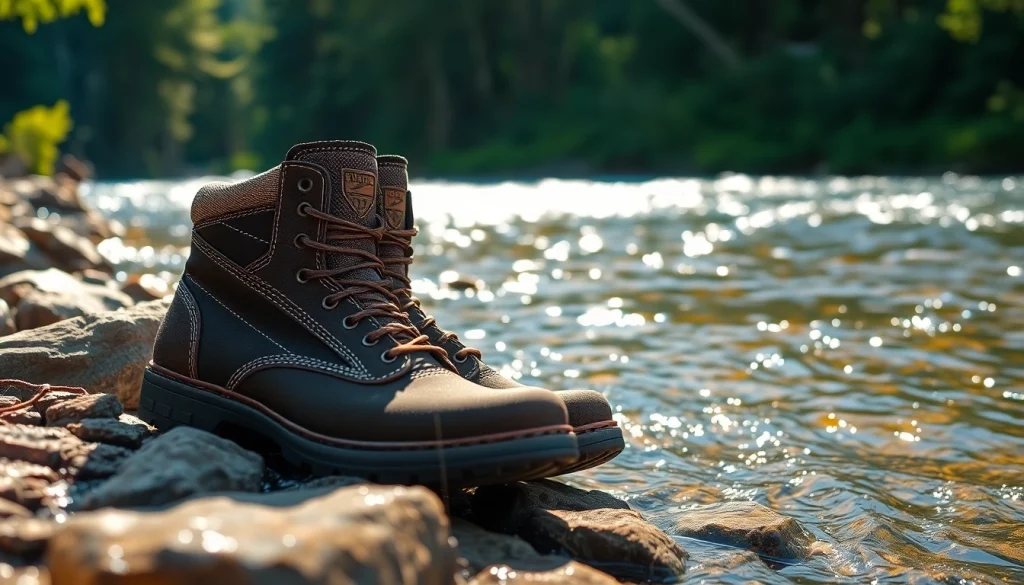
Understanding Fly Fishing Boots
When it comes to fly fishing, selecting the right gear is crucial, especially your footwear. Fly fishing boots are specifically designed to enhance your experience by providing stability, traction, and comfort while wading in various water conditions. In this guide, we will explore their importance, features to look for, and various types available in the market.
What Are Fly Fishing Boots?
Fly fishing boots are specialized footwear intended for anglers who spend significant time in wet environments. They differ from regular hiking boots due to their design, materials, and functionality. Fly fishing boots typically feature a waterproof exterior, reinforced toe, and soles designed to provide excellent grip on slippery surfaces. They are designed to be worn with waders, making it essential to ensure a perfect fit for comfort and safety while navigating streams, rivers, or lakes.
The Importance of Quality Materials
The materials used in making fly fishing boots are vital for performance and durability. High-quality materials such as rubber and synthetic textiles not only offer waterproof capabilities but are also designed to withstand the rigors of regular use. The choice of materials also affects the boot’s weight, breathability, and drying time—important factors for comfort during long fishing sessions.
Features to Look For
- Traction: Look for soles with aggressive tread patterns, which are crucial for maintaining grip on slippery surfaces.
- Waterproofing: Ensure the materials are waterproof to keep your feet dry and comfortable.
- Comfort and Support: Features like cushioned insoles and ankle support can help in reducing fatigue.
- Weight: Lightweight designs are preferable for easier navigation in water.
- Durability: High-quality stitching and reinforced areas enhance longevity.
Types of Fly Fishing Boots
Felt-Soled vs. Rubber-Soled
One of the most critical decisions in selecting fly fishing boots is choosing between felt-soled and rubber-soled options. Felt soles provide excellent traction on slippery rocks and have been a traditional choice for many anglers. However, rubber soles offer versatility, especially in varying conditions, and are often made with durable rubber compounds that grip well on both wet and dry surfaces.
Lightweight Options for Backpacking
If you’re a backpacker or planning to hike to your fishing location, lightweight fly fishing boots are essential. These options are designed to be packable without compromising on comfort or support. Many manufacturers now offer models that incorporate lightweight yet durable materials, making them easier to carry over long distances.
Supportive Designs for Added Comfort
Comfort is key during extended periods of wading, so look for boots that offer ample support. Features like padded collars, reinforced arches, and protective toe caps can help provide the comfort needed during long fishing adventures. Additionally, the integration of technology such as cushioned insoles and smart-fit lacing systems can significantly enhance the fit and comfort level.
Choosing the Right Fit
Measuring Your Feet Correctly
Before purchasing fly fishing boots, it’s essential to measure your feet accurately. Measure both length and width, as the ideal fit can vary between brands and styles. A proper fit allows for better mobility and reduces the risk of blisters or discomfort during your fishing trips.
Considerations for Thick Socks
If you plan to wear thick socks for warmth or comfort, ensure that the boots you choose accommodate this. Trying on boots with the socks you intend to use can help you gauge if the fit is appropriate and ensure that you have the space you need for movement.
Trying Before You Buy
Always try on boots before purchasing if possible. Walk around in them, and replicate the movements you’ll be making while fishing. Pay attention to how they feel both initially and after a bit of movement, as comfort should be consistent.
Maintenance Tips for Longevity
Cleaning Your Fly Fishing Boots
Regular cleaning will prolong the life of your fly fishing boots. After each trip, rinse off mud and debris, and allow the boots to dry thoroughly. Avoid leaving them in direct sunlight, as this can damage materials and cause fading.
Storing Properly After Use
Proper storage is just as important as cleaning. Store your boots in a cool, dry place away from direct sunlight and extreme temperatures. Consider utilizing boot trees or stuffing them with newspaper to help maintain their shape.
When to Replace Your Boots
Regularly inspect your boots for any signs of wear, such as holes, loose stitching, or cracked soles. If your boots no longer provide adequate support or waterproofing, it is time to consider replacing them to ensure both comfort and safety while fishing.
Frequently Asked Questions
What kind of boots do you wear when fly fishing?
Anglers typically wear wading boots designed for use in rivers and streams, often equipped with felt or rubber soles for optimal traction.
What are the best fly fishing boots?
Some of the best fly fishing boots offer features like durable waterproof construction, good traction, and comfort, catering to various fishing conditions.
What type of shoes for fly fishing?
Wading shoes made specifically for fly fishing, available in both felt and rubber soles, are recommended for anglers to navigate slippery conditions safely.
How should Fly fishing boots fit?
Fly fishing boots should fit snugly without pinching, allowing for movement and comfort, especially when paired with the shoes you plan to wear.
Can I use regular hiking boots for fly fishing?
Regular hiking boots may keep your feet dry but often lack the traction and features necessary for safe wading in slippery water environments.