
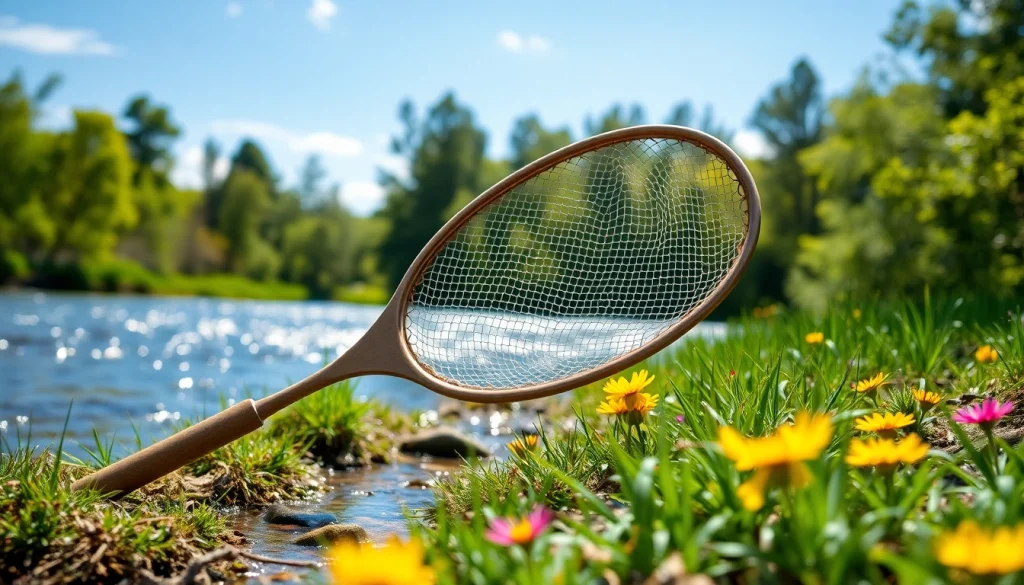
Understanding the Importance of a Fly Fishing Net
Why Is A Fly Fishing Net Essential?
For an angler, a fly fishing net is more than just an accessory; it’s an essential tool that significantly enhances the fishing experience. The primary purpose of a fly fishing net is to safely secure fish after they’ve been caught. Post-catch handling greatly affects the survival of the fishes, especially in catch-and-release scenarios where reducing stress on the fish is vital. A fly fishing net minimizes the time a fish spends out of water, helping to maintain its vitality.
Key Benefits of Using a Fly Fishing Net
Utilizing a fly fishing net provides several advantages. First, it allows for a gentle catch and release, which is beneficial for aquatic ecosystems. Secondly, many fly fishing nets are designed to protect fish scales and mucoid layers, promoting quicker recovery. Lastly, nets can help prevent potentially damaging mishaps, where fish can shake free of hooks or suffer injuries from rough surfaces.
Environmental Impact of Using a Fly Fishing Net
The environmental implications of using a fly fishing net cannot be overstated. Proper usage can significantly impact fish populations, especially in recreational fishing. A good net helps reduce stress and injury, leading to higher survival rates for released fish. Additionally, choosing nets made from sustainable materials can enhance the eco-friendliness of a fisherman’s gear.
Types of Fly Fishing Nets Available
Traditional vs. Modern Fly Fishing Net Designs
Fly fishing nets come in a variety of designs, each catering to different fishing styles and environments. Traditional nets often feature wooden frames with nylon mesh, which provides durability and a classic aesthetic. On the other hand, modern designs incorporate lightweight materials, such as carbon fiber and rubber, which can significantly reduce fatigue during a long fishing session. These advancements allow anglers to pick nets that align with their personal fishing approaches.
Materials Used in Fly Fishing Nets
The material used in constructing a fly fishing net is crucial in determining its effectiveness. Many nets today are made from rubberized mesh, which is gentle on fish and reduces tangling. Others utilize lightweight materials like carbon fiber, providing both strength and portability. Additionally, eco-friendly options are now available, appealing to environmentally conscious anglers.
When to Use Different Fly Fishing Net Types
Selecting the appropriate net type depends on the fishing environment and target species. For instance, if fishing in a river or stream, a net with a shallow basket is often sufficient. Conversely, if targeting larger fish in lakes or saltwater, a deeper net will be more effective. Understanding these criteria allows anglers to optimize their landing strategy.
Choosing the Right Size for Your Fly Fishing Net
Factors Influencing Net Size
The size of the net is a critical factor that can affect both the success of a fishing trip and the wellbeing of the fish. Key considerations include the size of the target species and the fishing space available. A smaller net may suffice for trout, while larger species such as salmon demand a more robust approach.
Recommendations for Various Species
When selecting the right net, it’s essential to consider species-specific recommendations. For smaller fish like brook trout, nets with hoop sizes ranging from 8-15 inches tend to work well. Larger fish, such as steelhead or oversized trout, benefit from nets with hoop sizes exceeding 20 inches. Understanding these standards aids in selecting the perfect net.
Common Mistakes When Choosing Size
One common mistake among anglers is underestimating the required net size, which can lead to frustrating catch-and-release experiences. Another frequent oversight is neglecting to consider net depth, which can drastically impact how effectively fish can be secured. By being mindful of these elements, fishing enthusiasts can ensure their net selection supports successful outings.
How to Care for Your Fly Fishing Net
Cleaning and Maintenance Tips
To extend the life of a fly fishing net, regular cleaning is essential. After each use, rinse the net with fresh water to remove mud, debris, and slime that can accumulate. Slightly dampening any rubber parts can also prevent them from drying out and cracking over time.
Storing Your Fly Fishing Net
Proper storage is crucial for maintaining the integrity of your fly fishing net. Nets should be kept in a dry and well-ventilated area, avoiding excessive moisture and UV exposure that can degrade materials over time. If possible, store nets flat or in a protective case to prevent deformation.
Repairing Damaged Nets
Accidental tears or damages to the net can occur. For mesh nets, patches can be used to mend tears, while small cuts in the frame may be repairable with specific adhesives or by replacing components. Regular inspections allow you to catch issues early and ensure your gear is always ready for action.
Frequently Asked Questions About Fly Fishing Nets
What size net is best for fly fishing?
The ideal net size depends on your target species. Smaller trout fit well in nets with an 8-15 inch hoop, while larger fish like salmon require nets with hoops over 20 inches.
How does a fly fishing net help in catch and release?
A fly fishing net significantly reduces the time a fish spends out of water, ensuring better survival rates upon release, thereby improving the catch-and-release experience.
Can I use a fly fishing net on saltwater?
Yes, fly fishing nets can be used in saltwater. However, ensure the materials are resistant to corrosion and saltwater exposure for long-term durability.
What’s the difference between rubber and nylon nets?
Rubber nets are gentle on fish scales and reduce tangling, helping them recover faster. Nylon nets, while durable, can sometimes harm fish during capture due to their stiffness.
What should I look for in a high-quality fly fishing net?
Look for features such as sturdy construction, lightweight material, rubberized mesh, an ergonomic handle, and appropriate size for your target species to ensure a high-quality net.
A good quality Fly fishing net can enhance your fishing experience, allowing for efficient handling of catches while minimizing harm.